

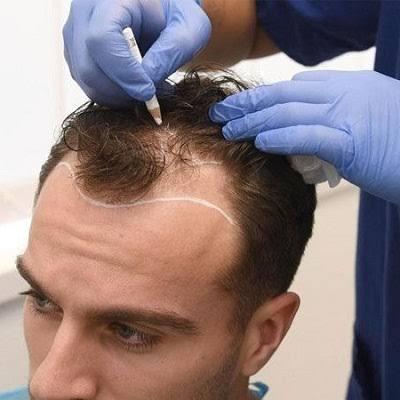

Hair restoration is increasingly focused on achieving results that look natural rather than simply adding more hair. A successful procedure depends on careful planning, appropriate graft selection, and precise placement that complements the patient’s facial features and existing hair pattern. Beaute Concept clinic dubai approaches hair restoration with attention to the details that influence the final appearance, including hairline design, graft distribution, density, and the direction in which individual follicles are positioned.
When considering a hair transplant in dubai, understanding how graft placement is planned can help patients appreciate why personalized treatment is important. Natural-looking restoration requires more than transferring follicles from one area to another. Each stage needs to be carefully coordinated so the transplanted hair blends with the surrounding hair as it grows.
Understanding Natural Graft Placement
Graft placement refers to positioning harvested follicular units into areas affected by thinning or hair loss. Every follicular unit may contain one or several hairs, and these units are distributed strategically according to the characteristics of the recipient area.
At Beaute Concept clinic dubai, graft placement can be planned according to the patient’s existing hair density, degree of hair loss, hair characteristics, and desired restoration pattern. The objective is to create a balanced appearance while preserving the natural relationship between the hairline, frontal region, mid-scalp, and crown.
The direction, angle, spacing, and distribution of grafts all contribute to the final result. Small differences in placement can influence how the hair appears once it grows, making precision an important component of modern hair restoration.
Why Hairline Design Matters
The frontal hairline is one of the most visible components of a hair transplant. An excessively straight or overly dense hairline may appear artificial, while a carefully designed hairline can provide a more natural transition between the forehead and scalp.
A personalized hairline takes several factors into account. These can include facial proportions, age, existing hairline characteristics, hair texture, and the anticipated progression of hair loss. Rather than focusing exclusively on maximum density, the design should support an appearance that remains appropriate as the patient ages.
For individuals researching the best hair transplant in dubai, understanding the importance of customized hairline planning is essential. The quality of a restoration is not determined solely by the number of grafts transplanted. The arrangement and positioning of those grafts also play an important role in creating a natural-looking outcome.
Assessing the Donor Area
Natural graft placement begins with evaluating the donor area. Hair follicles are commonly selected from regions where hair is sufficiently stable for transplantation. The availability and characteristics of donor follicles influence how much restoration can realistically be achieved.
During the planning process at Beaute Concept clinic dubai, the donor region can be assessed for follicular density, hair caliber, distribution, and overall suitability. This evaluation helps establish an appropriate graft strategy while avoiding unnecessary depletion of the donor area.
Donor management is particularly important for patients experiencing progressive hair loss. A well-planned approach considers not only the immediate restoration but also the possibility of future thinning. This allows graft resources to be used strategically.
Creating a Natural Density Pattern
Hair does not naturally grow at exactly the same density across every part of the scalp. The frontal region, mid-scalp, and crown can have different visual characteristics. Therefore, graft distribution should reflect the natural structure of the scalp rather than creating uniform density everywhere.
A hair transplant in dubai can involve placing finer follicular units toward the front to create a soft transition, followed by strategically increasing density behind the hairline. This gradual pattern can help the transplanted region blend more naturally with existing hair.
Density planning also depends on the patient’s hair characteristics. Thick, curly, or wavy hair may create greater visual coverage than fine, straight hair even when a similar number of follicles are transplanted. These factors need to be considered when developing the graft placement strategy.
The Importance of Graft Direction and Angle
Hair follicles naturally grow in specific directions, and these directions can change across different areas of the scalp. Reproducing these patterns is an important part of natural-looking restoration.
Grafts positioned at inappropriate angles may cause the hair to stand unnaturally or create an inconsistent appearance. In contrast, carefully aligned grafts can follow the existing growth pattern and integrate more effectively with surrounding hair.
At Beaute Concept clinic dubai, attention to graft direction can be incorporated into the overall restoration plan. The frontal hairline may require a particularly refined approach because the follicles in this area generally emerge at a relatively shallow angle. As the placement moves toward other regions, the direction and orientation can change according to the natural anatomy of the scalp.
Planning Grafts According to Hair Loss Patterns
Hair loss does not affect every individual in the same way. Some people experience recession around the temples, while others develop thinning across the frontal region, mid-scalp, or crown. The appropriate graft placement strategy therefore depends on the specific pattern of hair loss.
A detailed assessment helps identify areas requiring restoration and areas where existing hair should be preserved. This can prevent unnecessary transplantation and allow available grafts to be distributed more efficiently.
People searching for the best hair transplant clinic in dubai may benefit from considering how carefully a clinic approaches individualized treatment planning. A personalized strategy can address the patient’s current concerns while taking future hair changes into account.
Balancing Coverage and Graft Availability
One of the key considerations in hair restoration is balancing the desired coverage with the available donor supply. Transplanting more grafts does not automatically guarantee a better aesthetic result.
A strategic approach may prioritize highly visible areas such as the frontal hairline before addressing less noticeable regions. Depending on the degree and pattern of hair loss, grafts may be distributed across multiple areas to create an overall improvement rather than concentrating all available follicles in one location.
This type of planning is particularly relevant for patients with extensive thinning. Maintaining realistic expectations allows the treatment plan to focus on achievable improvements while protecting the donor area.
How Hair Characteristics Influence Placement
Hair thickness, texture, color, and natural curl can influence how transplanted hair appears. For example, thicker hair may provide greater visual coverage, while fine hair may require more strategic distribution to create the desired effect.
Hair color can also influence the visual contrast between the scalp and hair. These characteristics are considered when determining graft density and placement patterns.
The goal of Beaute Concept clinic dubai is to approach hair restoration as an individualized process in which graft placement is adapted to the characteristics of each patient rather than relying on a standardized design.
Preparing for a Hair Transplant
Before undergoing a hair transplant in dubai, patients typically undergo an assessment of their scalp and hair-loss pattern. The consultation provides an opportunity to evaluate the donor area, discuss restoration objectives, and establish an appropriate graft strategy.
A comprehensive assessment can also help determine whether transplantation is suitable and which areas should be prioritized. Understanding the expected progression of hair loss is important because the restoration plan should account for both transplanted and existing hair.
Patients should also understand that transplanted follicles require time to establish and grow. The visible outcome develops gradually rather than immediately after the procedure.
What Makes Graft Placement Look Natural?
Natural-looking restoration is influenced by several interconnected factors. These include appropriate hairline design, careful graft selection, correct follicular orientation, gradual density changes, and harmonious distribution across the recipient area.
The transition between transplanted and existing hair is especially important. Strategic placement can help prevent an abrupt visual difference between the restored region and surrounding hair.
For those exploring the best hair transplant in dubai, evaluating the planning process can be more informative than focusing only on the number of grafts. A carefully developed treatment strategy considers both aesthetics and long-term hair characteristics.
Recovery and Hair Growth After Transplantation
Following a hair transplant, the scalp requires time to recover. Temporary changes such as redness, swelling, or sensitivity may occur depending on the individual and the procedure. Patients should follow their personalized aftercare instructions carefully during the recovery period.
The transplanted follicles then progress through their natural growth cycle. Some transplanted hairs may shed temporarily before new growth develops. Because hair growth is gradual, the final appearance can take several months to become evident.
Patience is therefore an important part of the hair restoration process. Regular follow-up can help monitor progress and address questions during different stages of recovery.
Choosing a Personalized Hair Restoration Approach
Selecting a suitable hair restoration provider involves more than searching for a high number of grafts or a particular procedure name. Patients should consider the approach to consultation, donor assessment, hairline planning, graft placement, density management, and aftercare.
Beaute Concept clinic dubai focuses on individualized planning designed around the patient’s hair characteristics and restoration requirements. By considering the relationship between the donor and recipient areas, grafts can be planned with attention to both immediate restoration and long-term appearance.
A carefully structured approach can help patients understand what can realistically be achieved and why specific graft placement decisions are recommended.
FAQs About Hair Transplant in Dubai
What is the purpose of natural graft placement?
Natural graft placement aims to position transplanted follicles in a way that follows the patient’s existing hair pattern. Direction, angle, spacing, and density can all influence how naturally the restored hair appears.
How is the hairline planned during a hair transplant?
Hairline planning can consider facial proportions, age, existing hair characteristics, hair-loss pattern, and available donor follicles. The objective is to create a gradual and natural-looking transition rather than an artificial straight line.
Does every patient receive the same number of grafts?
No. Graft requirements vary according to the extent of hair loss, donor availability, hair characteristics, and the areas requiring restoration. A personalized assessment helps determine an appropriate graft strategy.
How long does transplanted hair take to grow?
Hair growth occurs gradually. Some transplanted hairs may initially shed before new growth begins. Noticeable development generally takes several months, with the appearance continuing to mature over time.
Why is donor-area assessment important?
The donor area provides the follicles used for transplantation. Evaluating its density and characteristics helps determine how many grafts can be used while maintaining a balanced and sustainable restoration plan.
Conclusion
Planning natural graft placement is one of the most important elements of successful hair restoration. From designing the frontal hairline to evaluating donor availability and determining graft direction, every detail can influence the appearance of the final result. A personalized strategy can help transplanted follicles integrate more naturally with existing hair while making efficient use of available grafts.
For individuals considering a hair transplant in dubai, best hair transplant in dubai, or searching for the best hair transplant clinic in dubai, careful treatment planning should remain a central consideration. Beaute Concept clinic dubai emphasizes individualized restoration planning, with attention to hairline design, graft distribution, density, follicular direction, and long-term aesthetic balance.
