

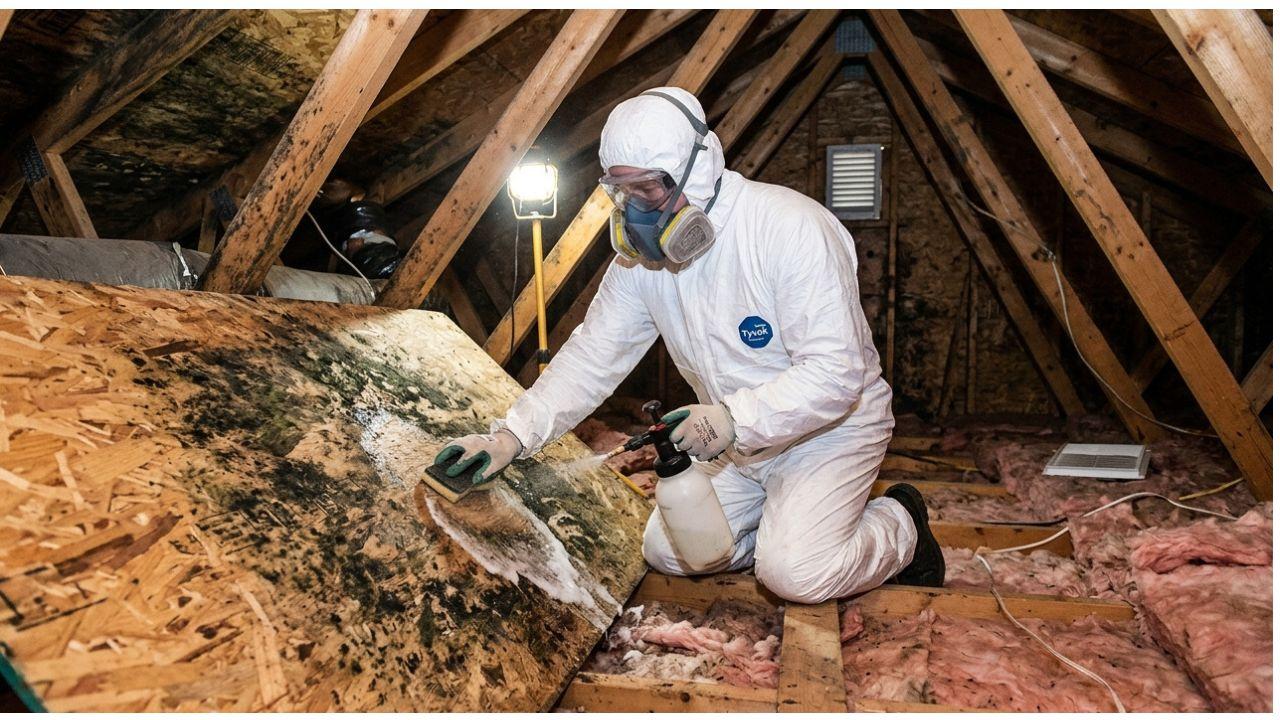
Mold in an attic can develop quietly, especially when moisture, poor ventilation, or condensation creates a suitable environment for fungal growth. Although a small amount of mold may seem harmless, an untreated problem can spread across insulation, wood, and other building materials. Professional Attic Mold Removal Service can help identify the source of moisture, remove affected materials, and reduce the chance of mold returning.
Understanding how attic mold develops and why professional removal matters can help homeowners protect their property and maintain a healthier indoor environment.
What Causes Mold in an Attic?
Attic mold usually develops when excess moisture remains in the space for an extended period. Several common conditions can contribute to the problem.
Poor Attic Ventilation
Proper ventilation allows warm and humid air to escape. If an attic does not have adequate airflow, moisture can accumulate and condense on colder surfaces. Over time, this creates favorable conditions for mold growth.
Roof Leaks
Damaged shingles, flashing, or other roofing components can allow rainwater to enter the attic. Even a small leak can gradually wet insulation and wooden structures, creating an environment where mold can grow.
Condensation
Warm indoor air can move into a cold attic through gaps around light fixtures, ducts, or other openings. When this warm air meets colder surfaces, condensation may form and increase moisture levels.
Insulation Problems
Poorly installed or damaged insulation can contribute to temperature differences and moisture accumulation. In some situations, contaminated insulation may need to be removed and replaced as part of the remediation process.
What Does Attic Mold Removal Involve?
A professional Attic Mold Removal Service generally involves more than simply cleaning visible mold. The process should address both the contamination and the conditions that caused it.
Inspection and Assessment
The first step is usually a detailed inspection of the attic. Professionals look for visible mold, moisture damage, leaks, condensation, ventilation problems, and areas where mold may be hidden.
Containment
When necessary, affected areas can be contained to help prevent mold particles from spreading to other parts of the home during removal.
Mold Removal
Appropriate cleaning and removal methods depend on the type and extent of contamination and the materials involved. Severely damaged porous materials, such as certain types of insulation, may require removal rather than surface cleaning.
Moisture Control
Removing existing mold without correcting the moisture source can allow the problem to return. Professionals may recommend improving ventilation, repairing roof leaks, sealing air leaks, or addressing other sources of excess moisture.
Final Assessment
After remediation, the affected area should be checked to determine whether the visible contamination has been addressed and whether the attic conditions have improved.
Why Professional Mold Removal Matters
Attempting to remove extensive attic mold without proper knowledge or protective measures can disturb contaminated materials and spread particles throughout the area. Professional services can provide a more systematic approach to identifying the affected areas and addressing the underlying moisture problem.
Professional assistance can also be particularly useful when mold covers a large area, has affected insulation or structural materials, or keeps returning after basic cleaning.
How Can You Prevent Attic Mold?
Prevention begins with moisture management. Homeowners can take several practical steps to reduce the risk of future mold growth.
First, inspect the roof regularly and repair leaks promptly. Second, make sure attic ventilation is appropriate for the building. Third, check insulation and air sealing for potential problems. It is also useful to monitor areas where condensation may occur, particularly during colder seasons.
Keeping moisture under control is one of the most important parts of long-term attic maintenance.
Choosing an Attic Mold Removal Service
When selecting a service provider, homeowners should consider experience, inspection procedures, removal methods, and how the company handles moisture-related problems. A reliable provider should explain the cause of the mold, the proposed removal process, and any recommended prevention measures.
It is also helpful to ask whether the service includes an assessment of affected insulation, wood, ventilation, and other attic components. Clear communication can help homeowners understand what work is necessary before the removal process begins.
Attic Mold Removal Service in Ottawa
For homeowners looking for professional assistance with attic mold problems in Ottawa, Attic Mold Removal Ottawa provides information and services focused on attic mold concerns. Their website offers a convenient place to learn more about attic mold removal and related solutions. If you are dealing with visible mold, moisture damage, or recurring attic mold, visit out website at to explore the available information and services.
Conclusion
Attic mold should not be ignored because it can continue spreading when moisture problems remain unresolved. A professional Attic Mold Removal Service can help identify the source of moisture, address affected areas, and support long-term prevention. By maintaining proper ventilation, repairing leaks, managing condensation, and responding to mold growth early, homeowners can protect their attic and the overall condition of their property.
