

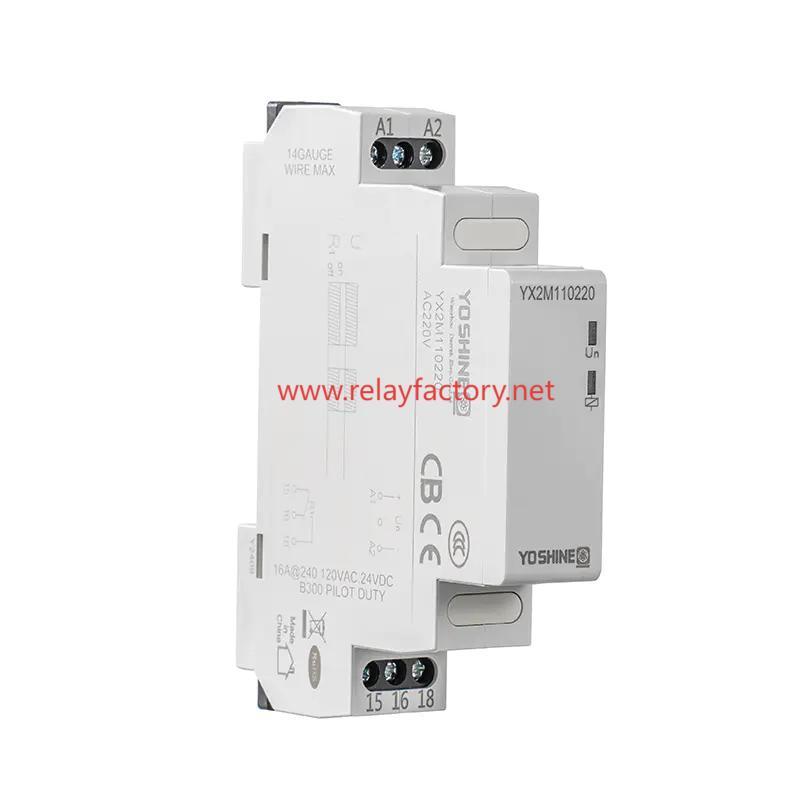

Time Relay Factory selection requires buyers to review product requirements, technical details, manufacturing processes, and supplier communication before starting a project. For companies using timing control components in automation equipment and electrical systems, choosing a suitable partner involves understanding application conditions, functional needs, customization options, and cooperation methods. A careful evaluation process helps businesses create clearer purchasing plans. As a manufacturer, relayfactory focuses on providing timing control solutions for different industrial applications and customer requirements.
Identify Application Requirements Before Purchasing
Before selecting a supplier, buyers should clearly define how the product will be used. Different machines and control systems may require different timing functions, operating conditions, and installation methods.
Companies should prepare information about voltage requirements, connection structures, working environments, and expected operation processes. Detailed project information helps manufacturers understand customer needs and provide suitable suggestions.
Early communication between buyers and suppliers can reduce design changes and improve the efficiency of project planning.
Review Product Functions and Specifications
Product specifications are important factors during the purchasing process. Buyers should check timing range, adjustment methods, contact configuration, mounting style, and other technical details.
Different applications may have different control requirements. Equipment manufacturers, automation companies, and system developers may need products with different operating features.
Reviewing technical information carefully allows buyers to select solutions that match their equipment design and working conditions.
Check Supplier Production Capability
Supplier production ability is another factor buyers should consider. Companies can review manufacturing procedures, inspection methods, technical communication, and project management processes.
A well-organized production system helps suppliers handle different customer requirements and maintain stable communication during development.
relayfactory supports customers through product discussions, technical exchanges, and project coordination based on different application scenarios.
Evaluate Customization Requirements
Many industrial projects require customized designs because equipment structures and usage conditions are not always the same.
Buyers may need adjustments in product functions, specifications, connection methods, appearance, or packaging according to their project requirements.
Before cooperation, customers should provide detailed technical information and explain their expected application. Clear communication allows suppliers to understand project goals and prepare suitable solutions.
Understand Quality Inspection Procedures
Quality inspection is an important part of supplier evaluation. Buyers should learn about inspection methods used during production and how suppliers manage product checks.
Testing requirements may include functional verification, electrical performance checks, appearance inspection, and other procedures based on customer needs.
Discussing inspection standards before ordering helps both sides create clear expectations and improve cooperation efficiency.
Consider Technical Communication and Support
Technical communication plays an important role in customized projects. Buyers should consider how suppliers respond to technical questions, design discussions, and project updates.
During product development, requirements may change according to equipment adjustments or application conditions. Good communication helps both sides handle these changes more smoothly.
A supplier with project experience can provide useful suggestions during different cooperation stages.
Review Long-Term Cooperation Possibilities
For many businesses, purchasing timing products is part of a long-term supply plan. Buyers should consider future requirements, product updates, and communication support when selecting suppliers.
A reliable cooperation process depends on understanding customer needs and maintaining effective communication.
Companies should evaluate suppliers according to their own project goals, product requirements, and application environment.
Make Decisions Based on Project Needs
Choosing a suitable timing control solution requires buyers to consider multiple aspects, including product compatibility, customization ability, production management, and technical support.Every project has different requirements, so businesses should compare suppliers according to their actual applications rather than using a fixed selection method.relayfactory provides timing control products and customized support for customers in different industries. Companies can visit https://www.relayfactory.net/ to view product information, application solutions, and cooperation options.
