

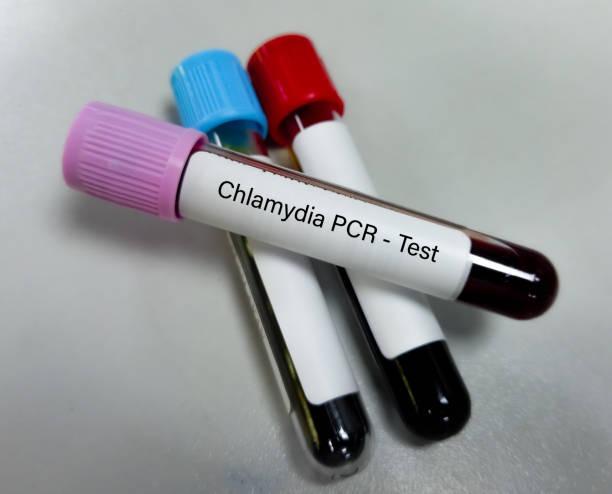

A Chlamydia Test in Dubai can help identify an infection that may not always produce noticeable symptoms. Chlamydia is a sexually transmitted infection caused by Chlamydia trachomatis. Because symptoms can be mild or completely absent, understanding both the possible warning signs and the role of screening can help people make informed decisions about their sexual health.
What Is Chlamydia?
Chlamydia is a bacterial sexually transmitted infection that can affect different parts of the body following sexual exposure. Depending on the type of contact, the infection may involve the genital area, rectum, or throat.
Some individuals develop symptoms, while others may have no obvious signs. This difference makes it difficult to determine infection status based only on how someone feels.
Appropriate laboratory testing can provide more reliable information when chlamydia is suspected.
Common Symptoms of Chlamydia
When symptoms occur, they may develop differently from one person to another. Possible symptoms can include unusual genital discharge, discomfort or burning during urination, pelvic discomfort, or pain during sexual activity.
People with rectal exposure may experience discomfort, discharge, or bleeding. Other symptoms can depend on the site affected.
It is important to understand that these signs are not specific to chlamydia. Other sexually transmitted infections and non-infectious conditions can cause similar symptoms.
Can Chlamydia Have No Symptoms?
Yes. Some people with chlamydia may not experience noticeable symptoms. This means someone can have an infection without realizing it.
The absence of symptoms should therefore not automatically be considered evidence that an infection is not present. Testing may be appropriate after certain exposures or when recommended by a healthcare professional.
This is one reason sexual health screening can be useful for people who may have been exposed.
When Should You Consider Testing?
A chlamydia test may be considered after a possible sexual exposure, when a partner has been diagnosed with chlamydia, or when symptoms develop.
People with new or multiple sexual partners may also discuss STI screening with a healthcare professional based on their individual circumstances.
There is no single testing schedule that is appropriate for everyone. The right approach depends on factors such as exposure history, symptoms, age, pregnancy status, and other health considerations.
Understanding the Testing Process
Chlamydia testing can involve a urine sample or a swab from an appropriate body site. The specific method depends on the person's circumstances and potential exposure.
During a consultation, a healthcare professional may ask about symptoms, recent sexual activity, previous testing, and possible exposure sites.
Providing accurate information helps the provider determine which testing approach may be appropriate.
Testing After a Recent Exposure
The timing of testing can be important. If a test is performed very soon after a possible exposure, it may not always provide the information expected.
The appropriate timing depends on factors such as when the exposure occurred and the testing method being used.
If you have recently had a possible exposure, tell your healthcare professional exactly when it happened. They can advise you about the appropriate timing and whether further testing may be needed.
What Does a Positive Result Mean?
A positive test generally means that chlamydia was detected in the sample. If this happens, appropriate medical treatment should be discussed with a qualified healthcare professional.
Chlamydia can be treated with antibiotics prescribed by a healthcare professional. Follow the prescribed instructions carefully and avoid taking medication without medical guidance.
Your healthcare provider can also discuss partner notification and steps to reduce the possibility of reinfection.
What Does a Negative Result Mean?
A negative result means that chlamydia was not detected in the sample tested. However, the result should be considered alongside the timing of testing and other relevant circumstances.
If the test was performed shortly after exposure or symptoms continue, your healthcare provider may recommend additional evaluation.
A negative chlamydia result also does not automatically mean that no other STI is present. Additional testing may be appropriate depending on your exposure and symptoms.
Enfield STD Clinic
Enfield STD Clinic provides sexual health and STD testing services for individuals seeking professional evaluation. If you are concerned about possible chlamydia symptoms, a recent exposure, or general STI screening, you can discuss your concerns with a qualified healthcare professional.
A consultation can help determine which tests may be appropriate and provide guidance about testing, results, treatment, and follow-up.
How Can You Reduce the Risk?
Reducing the risk of chlamydia involves making informed sexual health decisions. Using condoms correctly can lower the risk of STI transmission, although it does not eliminate all risk.
Discussing sexual health and testing with partners can also be helpful. If a partner has been diagnosed with an STI, seeking medical advice rather than waiting for symptoms can be important.
Regular screening may be appropriate for some individuals depending on their circumstances.
When to Seek Medical Care
Consider professional medical advice if you develop possible STI symptoms, have had a recent potential exposure, or discover that a sexual partner has chlamydia.
Do not rely solely on symptoms to determine whether you have an infection. Similarly, do not assume that feeling healthy means testing is unnecessary after a relevant exposure.
A healthcare professional can assess your circumstances and recommend appropriate testing.
Final Thoughts
Chlamydia Test in Dubai can help identify an infection that may produce symptoms or remain completely unnoticed. Understanding possible symptoms, testing methods, timing, and the meaning of results can help you approach sexual health screening more confidently. If you have experienced a potential exposure or notice symptoms that concern you, speak with a qualified healthcare professional about appropriate testing and follow-up care.
