

Understanding how the nose heals after surgery can make the recovery period easier to manage. For people exploring Rhinoplasty Dubai, Dynamic Clinic in Dubai provides information about the procedure and the factors that can influence healing. Rhinoplasty recovery is not a single-stage process; swelling, bruising, nasal congestion, and changes in nasal appearance can develop and settle at different rates.
What Happens Immediately After Rhinoplasty?
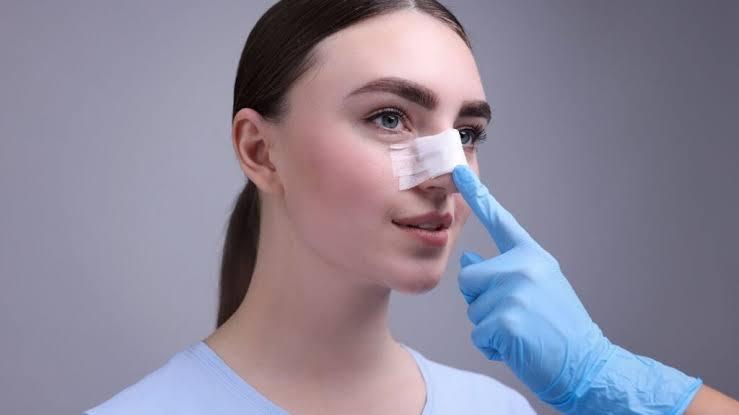
The first stage of recovery begins as the effects of surgery start to wear off. The nose may feel blocked, swollen, or tender, while mild bruising can appear around the nose and under-eye area. A dressing, splint, or internal support may be used depending on the surgical technique and individual treatment plan.
During this early period, patients are generally advised to rest and avoid unnecessary pressure on the nose. Sleeping with the head elevated may help reduce swelling, while prescribed medication should be used according to the surgical team's instructions.
The First Week: Protecting the Nose
The first week is mainly focused on protecting the surgical area and allowing the initial healing response to progress. Nasal congestion can make breathing through the nose uncomfortable, particularly while internal tissues are swollen.
Common experiences during this stage may include:
- Swelling around the nose and cheeks
- Bruising near the eyes
- Mild discomfort or tightness
- Temporary nasal blockage
- Increased sensitivity around the treated area
- Reduced ability to judge the final nasal shape
Patients should avoid rubbing, pressing, or accidentally bumping the nose. Strenuous exercise and activities that could increase pressure or cause facial impact are usually restricted during the early recovery period.
Weeks Two to Four: Early Visible Healing
As the first few weeks pass, noticeable bruising generally decreases and some of the initial swelling begins to settle. Many people find that their appearance becomes more suitable for normal social activities during this stage, although the nose may still look swollen.
The healing process varies according to factors such as the surgical technique, extent of structural changes, individual tissue response, and overall health. External swelling can also make the nasal bridge or tip appear different from its eventual appearance.
Follow-up appointments are important during this period because the surgical team can assess healing and identify any concerns that require attention.
Why Does Nasal Swelling Last So Long?
Swelling is a normal part of tissue healing, but the nose can take considerably longer to settle than the initial bruising suggests. The skin and underlying tissues need time to adapt to their new structural position.
Tip swelling can be particularly persistent because the nasal tip contains delicate soft tissue and may respond differently from other areas of the nose. Temporary asymmetry can also occur while swelling resolves unevenly.
This means early photographs should not be treated as a representation of the final result.
The First Few Months: Gradual Refinement
During the following months, the nose usually continues to become more defined as residual swelling decreases. Changes can be subtle and may be easier to notice when comparing photographs taken at different stages of recovery.
Patients should continue following restrictions provided by their surgical team, particularly regarding contact sports, heavy physical activity, pressure on the nose, and prolonged sun exposure. Protecting healing skin from excessive sunlight can also support healthier scar and skin recovery.
What Can Affect Rhinoplasty Recovery?
Recovery does not follow exactly the same pattern for everyone. Several factors can influence how quickly swelling settles and tissues heal, including:
- The complexity of the procedure
- Whether structural or functional changes were performed
- Individual healing characteristics
- Skin thickness and tissue response
- General health and lifestyle
- Adherence to postoperative instructions
- Exposure to accidental pressure or trauma
Smoking or nicotine exposure may also interfere with normal healing, making it important to discuss these factors with the surgical team before and after treatment.
When Should You Contact the Surgical Team?
Some discomfort, congestion, bruising, and swelling can be expected after rhinoplasty. However, symptoms that appear severe, suddenly worsen, or seem unusual should be discussed with the treating medical team rather than managed independently.
Patients should follow their specific postoperative instructions because recommendations can differ depending on the surgical approach and individual circumstances.
Understanding the Full Recovery Timeline
Rhinoplasty recovery is best viewed as a gradual process rather than a fixed deadline. Initial swelling and bruising may improve relatively quickly, while subtle swelling and tissue changes can continue for much longer. The final appearance therefore becomes clearer progressively as the nasal tissues settle.
Conclusion
The rhinoplasty recovery process involves several stages, beginning with early swelling and congestion and progressing toward gradual tissue refinement. Careful aftercare, scheduled follow-up appointments, protection of the nose, and realistic expectations can help patients navigate each stage more confidently. Understanding that visible healing and complete tissue maturation occur at different rates provides a clearer picture of what to expect after rhinoplasty.
