

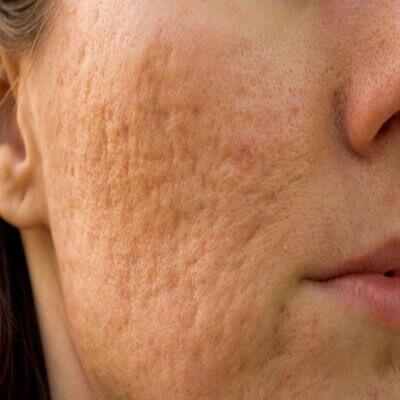

Scars can develop after acne, injuries, burns, surgery, or other skin conditions. While some scars become less noticeable naturally, others may remain prominent because of changes in skin texture, pigmentation, or collagen formation. Modern dermatology offers several approaches to improve the appearance of scars, but not every treatment is suitable for every person.
Choosing the right Scar Removal in Dubai starts with understanding the type of scar you have and obtaining an appropriate professional assessment. A personalized approach can help determine which treatment may be appropriate for your skin and specific concerns.
Understand Your Scar Type First
The first step is identifying what kind of scar you want to treat. Different scars form in different ways and may respond differently to treatment.
Atrophic scars are depressed areas of skin commonly associated with acne. They can include rolling, boxcar, and ice-pick scars. Treatments that encourage collagen remodeling may sometimes be considered for these concerns.
Hypertrophic scars are raised scars that remain within the boundaries of the original wound. They may develop after surgery, injury, or inflammation.
Keloid scars can extend beyond the original wound area because of excessive scar tissue formation. These require careful professional evaluation before treatment.
Pigmented scars or marks may appear darker or lighter than the surrounding skin. In some cases, the concern is primarily discoloration rather than a change in skin texture.
Because these scar types differ, choosing a treatment based only on a general description or online recommendation may not provide the right solution.
Consider the Cause of the Scar
The origin of the scar is another important factor. Acne scars, surgical scars, burn scars, and injury-related scars can have different characteristics.
For example, someone with longstanding acne scars may need an approach focused on improving uneven texture and collagen remodeling. A surgical scar may require a different strategy depending on its age, thickness, pigmentation, and location.
During a consultation, a qualified professional can consider how the scar developed, how long it has been present, and whether there are any ongoing skin concerns that should be addressed first.
Explore Available Scar Treatment Options
There is no single procedure that works for every type of scar. Depending on the assessment, treatment options may include laser-based procedures, microneedling, chemical treatments, topical therapies, or other dermatological techniques.
Laser treatments can be used in selected cases to address concerns such as uneven texture or pigmentation. Certain laser technologies work by stimulating controlled skin remodeling, while others primarily target pigmentation or superficial skin changes.
Microneedling uses controlled micro-injuries to stimulate the body's natural wound-healing response and collagen production. It may be considered for certain depressed acne scars and textural irregularities.
Chemical peels use specific exfoliating agents to remove damaged outer skin layers and encourage skin renewal. Their suitability depends on the skin concern, treatment strength, and individual skin characteristics.
The important point is that the treatment should be selected according to the scar rather than choosing a procedure simply because it is popular.
Take Your Skin Type Into Account
Skin type and pigmentation can influence how a person responds to certain scar treatments. This is particularly important when considering energy-based procedures.
A treatment plan should account for factors such as skin tone, sensitivity, pigmentation tendency, active acne, inflammation, and previous reactions to dermatological procedures.
People with darker or pigmentation-prone skin may require particularly careful treatment planning because some procedures can increase the risk of temporary or persistent pigmentation changes if used inappropriately.
A professional assessment helps determine appropriate treatment parameters and whether another approach may be more suitable.
Ask About Treatment Goals and Expected Results
Before selecting a procedure, be clear about what you want to improve. Some people are primarily concerned about discoloration, while others want to reduce visible depressions, raised areas, or uneven texture.
It is also important to understand that scar treatment usually focuses on improvement rather than complete removal. Established scars are part of the skin's healing process, so results can vary according to scar depth, age, location, skin characteristics, and treatment response.
A trustworthy consultation should explain realistic expectations rather than promising perfect or instant results.
Consider the Number of Sessions and Recovery
Some scar treatments may require more than one session. The number and spacing of treatments depend on the selected procedure and the characteristics of the scar.
Recovery can also vary. Depending on the treatment, temporary redness, swelling, sensitivity, peeling, or mild discomfort may occur. Your provider should explain expected downtime and aftercare requirements before treatment begins.
Understanding these factors can help you choose a treatment that fits your schedule and lifestyle.
Choose a Qualified Clinic
The clinic you choose is just as important as the treatment itself. Look for a medical facility that provides professional consultations, individualized treatment planning, appropriate safety protocols, and clear information about expected outcomes.
Avoid selecting a clinic solely because a particular procedure is advertised as the newest or fastest option. A suitable treatment should be based on your actual skin condition and scar characteristics.
Scar Removal at Tajmeels Clinic in Dubai
At Tajmeels clinic , scar concerns can be assessed according to the individual's skin condition, scar characteristics, and desired improvements. The clinic's approach can involve discussing the scar's cause, appearance, skin type, and treatment goals before developing an appropriate treatment plan.
A personalized consultation is important because two people with apparently similar scars may have different skin characteristics and therefore require different treatment considerations. Professional assessment can help determine whether a particular scar treatment is appropriate and what type of improvement may reasonably be expected.
Prepare for Your Scar Treatment Consultation
Before your appointment, consider making a note of when the scar developed, what caused it, previous treatments you have tried, and any skin products or medications you currently use.
You can also ask questions such as:
- Which type of scar do I have?
- What treatment options may be appropriate?
- How many sessions might be needed?
- What recovery should I expect?
- What improvements are realistic?
- What aftercare will be required?
Having these questions ready can make your consultation more informative.
Make an Informed Treatment Decision
The right scar removal treatment in Dubai should be chosen through professional assessment rather than a one-size-fits-all approach. Understanding your scar type, considering your skin characteristics, comparing suitable treatment options, and discussing realistic expectations can help you make a more informed decision.
Professional guidance is particularly valuable when scars are deep, raised, longstanding, associated with pigmentation, or located in sensitive areas. With an individualized treatment plan and appropriate aftercare, scar treatments may help create smoother and more even-looking skin over time.
More Information
Tajmeels Clinic Dubai
WhatsApp: +971 56 203 8751
Phone: tel:+971 43739000
Social Media:
