


Choosing a Natural Hairline With DHI Direct Hair Implant in Dubai
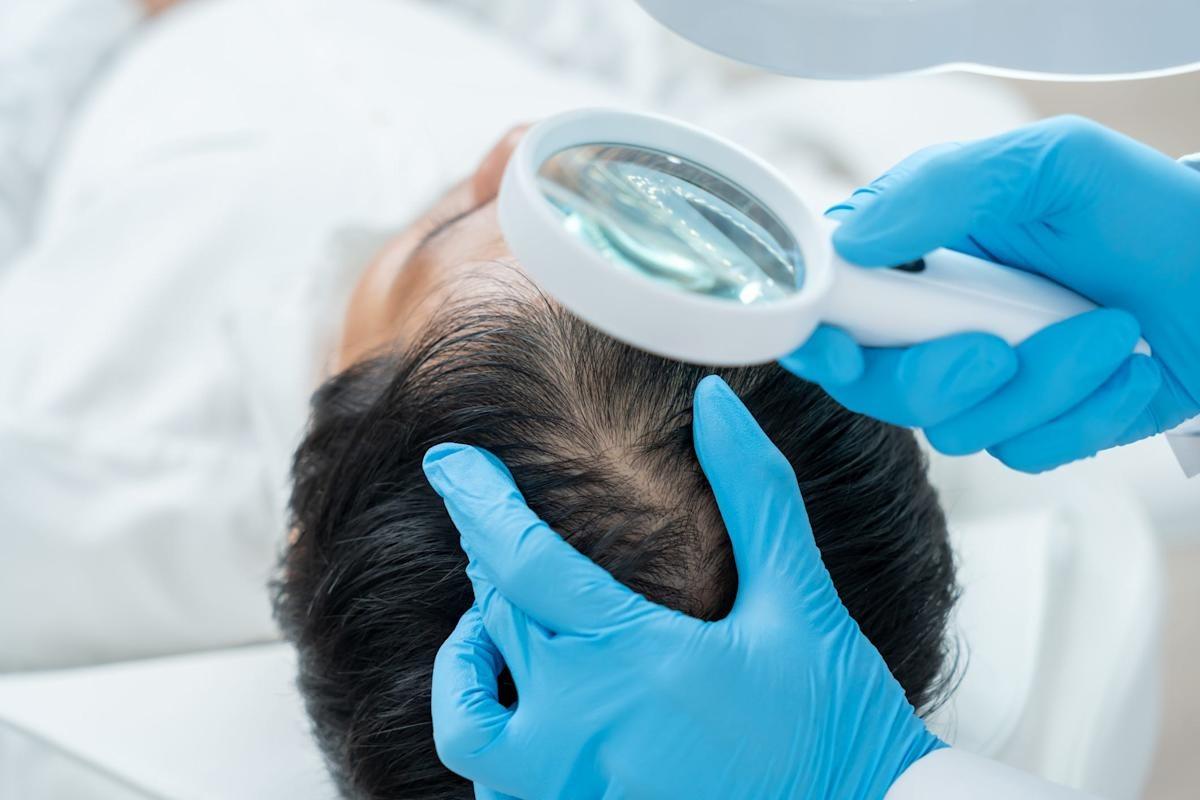
A natural-looking hairline is one of the most important considerations when planning a hair restoration procedure. It influences how the face is framed and can affect whether the final result looks subtle or noticeably transplanted. Rather than simply adding grafts to the front of the scalp, modern hair restoration focuses on factors such as facial proportions, existing density, hair direction, graft availability, and the patient's long-term pattern of hair loss. These considerations are particularly relevant when exploring DHI Direct Hair Implant in Dubai, where individualized treatment planning can help address both appearance and coverage goals.
DHI, or Direct Hair Implantation, is a hair transplantation technique in which harvested follicles are implanted into the recipient area using a specialized implantation device. The technique allows the placement of individual follicles with attention to angle, direction, and distribution. However, the instrument itself does not determine whether a hairline will look natural. Careful assessment and surgical planning remain essential.
A well-designed hairline should complement the patient's facial structure rather than follow a standardized template. Its height, shape, density, and transition into the existing hair should be considered before treatment. The surgeon must also evaluate the donor area because the number of available follicles can influence how much coverage can realistically be achieved.
For anyone considering hair restoration in Dubai, understanding how a natural hairline is planned can make the consultation more productive and help establish realistic expectations before treatment.
How Facial Proportions Influence Hairline Design
The hairline should be considered in relation to the forehead, temples, facial shape, and existing hair. A hairline that is positioned too low may require an unnecessarily large number of grafts and may not provide an age-appropriate appearance later in life. Conversely, placing it too high may leave the forehead looking disproportionately prominent.
Rather than choosing a predetermined hairline, a qualified hair restoration specialist can assess facial proportions and discuss an appropriate design. The shape may also differ between individuals. Some patients naturally have a softer, rounded hairline, while others have more angular contours.
Why Existing Hair Direction Matters
Natural hair does not grow straight forward from the scalp. Follicles emerge at different angles and directions depending on their location. At the frontal hairline, the direction and angle of newly implanted follicles therefore require careful consideration.
During DHI Direct Hair Implant in Dubai, individual follicles can be positioned according to the planned recipient area. Creating a gradual transition from finer frontal hairs toward greater density behind the hairline can help avoid an abrupt or artificial appearance.
The existing hair should also be considered when planning implantation. Matching the direction and characteristics of surrounding follicles can make the transplanted area blend more naturally as it grows.
The Importance of Graft Selection
Not every follicular unit is identical. Some contain a single hair, while others may contain multiple hairs. The frontal edge often benefits from finer grafts because naturally occurring frontal hair is generally less dense and softer than hair farther behind the hairline.
Using suitable grafts at different points of the recipient area can create a more gradual transition. The available donor supply also needs to be preserved carefully, particularly for patients who may experience further hair loss in the future.
Enfield Royal Clinic
At Enfield Royal Clinic, hairline planning can be approached as part of a broader assessment of facial proportions, donor availability, existing density, and the patient's desired appearance. These factors are important when considering DHI Direct Hair Implant in Dubai, because achieving a natural result involves more than simply placing follicles into areas of reduced density.
The consultation process can help determine whether the requested hairline is compatible with the patient's available donor follicles and long-term restoration objectives. Particular attention can be given to the frontal zone, where implantation angle, spacing, and graft selection have a direct influence on the visual transition between transplanted and existing hair.
A personalized plan can also help patients understand what level of coverage may realistically be achieved rather than relying on generic expectations about density or hairline position.
How Future Hair Loss Can Affect Hairline Planning
A hair transplant does not necessarily prevent untreated hair from continuing to thin. This is why long-term planning is an important part of hair restoration.
If existing hair behind the transplanted region is likely to become thinner, the treatment plan may need to account for future changes. Creating an extremely low or dense hairline at the beginning could consume donor follicles that might be needed later.
A responsible consultation should therefore consider the patient's current pattern of hair loss, family history where relevant, donor characteristics, and potential future progression. Medical treatment may also be discussed when appropriate, although suitability depends on individual circumstances and professional assessment.
What to Consider When Choosing a Hair Restoration Provider
Experience and Qualifications
Look for a qualified medical professional with appropriate training and experience in hair restoration. Ask who performs the procedure, how the treatment is planned, and whether the proposed approach is suitable for your specific pattern of hair loss.
Technology and Techniques
DHI is one approach to follicular implantation, but technology should be evaluated alongside clinical expertise. The use of an implantation device does not automatically guarantee a natural hairline. Proper graft handling, recipient-site planning, and implantation technique remain important.
Safety Standards
A hair transplant is a medical procedure. The provider should follow appropriate infection-control procedures, use sterile equipment, and maintain suitable clinical standards throughout harvesting and implantation.
Consultation Process
A thorough consultation should involve examination of both the donor and recipient areas. The discussion should cover hairline position, expected density, graft availability, possible future loss, recovery, and realistic outcomes.
Patient Experience
Clear communication before and after treatment can make the overall process easier to manage. Patients should understand preparation requirements, recovery expectations, follow-up arrangements, and when newly transplanted hair is expected to develop.
Expected Results
Hair growth after transplantation is gradual. Newly implanted follicles generally require time to establish and produce visible growth, and the final appearance develops progressively rather than immediately after treatment. Individual outcomes can vary according to graft quality, donor characteristics, healing, existing hair, and other biological factors.
Frequently Asked Questions
Can DHI create a completely natural-looking hairline?
DHI can be used to place individual follicles with attention to their angle, direction, and distribution. However, the natural appearance of the hairline also depends on planning, graft selection, surgical technique, donor characteristics, and the patient's healing and growth response.
How is the right hairline position determined?
Hairline position can be assessed by considering facial proportions, forehead dimensions, temple shape, existing hair density, age, and anticipated future hair loss. A personalized design is generally more appropriate than using the same hairline template for every patient.
Does a lower hairline always look better?
Not necessarily. A very low hairline may require more grafts and can affect long-term donor availability. The appropriate position depends on individual facial structure, available donor follicles, and future hair-loss considerations.
Can existing hair blend with transplanted hair?
Yes, when the implantation plan accounts for the characteristics and direction of the surrounding hair. The transition between the frontal edge and denser areas behind it is particularly important for achieving a cohesive appearance.
How long does it take to see the final result?
Hair growth occurs gradually after transplantation. The visible development of transplanted follicles varies between individuals, and the final result generally requires several months to assess. Follow-up appointments can help monitor progress during the recovery and growth stages.
Conclusion
Choosing a natural hairline requires more than deciding where transplanted follicles should be placed. Facial proportions, hair direction, graft characteristics, donor availability, existing density, and potential future hair loss all contribute to the planning process. DHI Direct Hair Implant can provide a method for individually implanting follicles, but the quality of the overall result depends heavily on personalized assessment and careful execution. A detailed consultation with a qualified hair restoration professional can help establish a realistic hairline design, explain available options, and create a treatment plan suited to the individual's anatomy and long-term goals.

 Bangla