

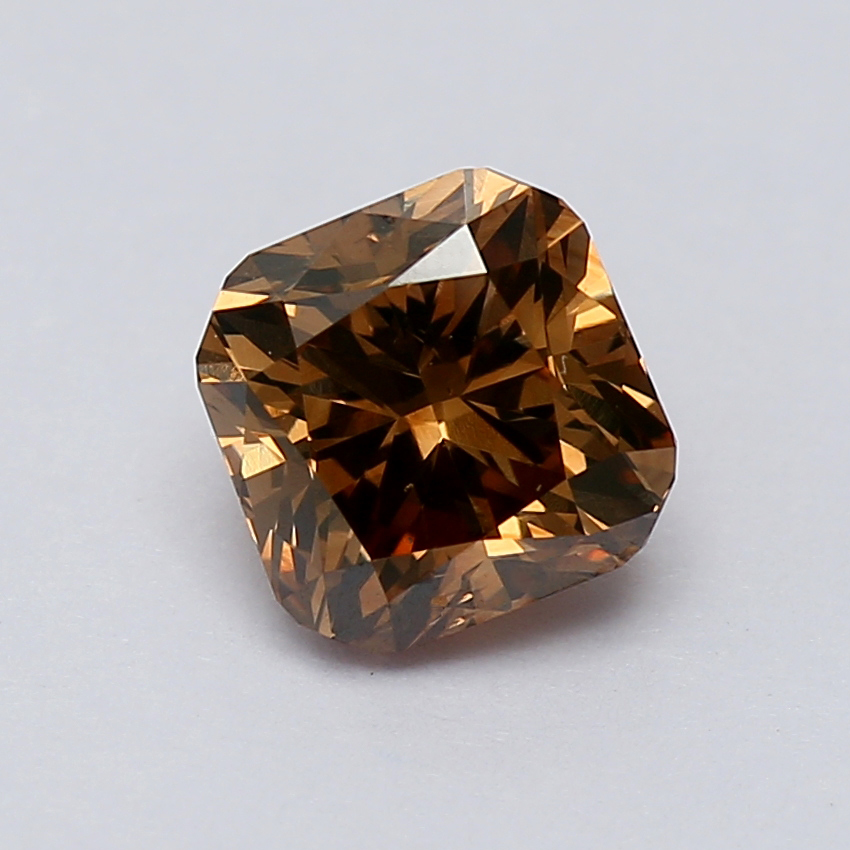

The diamond market is becoming increasingly focused on individuality, gifting and personal milestones rather than only traditional bridal jewellery. De Beers’ 2026 report, based on its 2025 US Diamond Acquisition Study, found that non-bridal purchases accounted for 75% of natural diamond demand value, while average spending on natural diamond jewellery increased 25% to $4,063 per piece. The study also found that Gen Z represented 23% of natural diamond demand value, making it the second-largest generation by demand value. In India, KPMG’s 2025 Fine Jewellery CX Report found that 47% of customers consider the pre-purchase stage the most impactful part of their jewellery experience, highlighting the importance of detailed product information when choosing a diamond. This growing interest in distinctive jewellery has brought Brown Diamonds into greater focus for buyers looking for warmth, character and an alternative to traditional colourless stones.
What Are Brown Diamonds?
Brown Diamonds are diamonds that display brown body colour, ranging from very light champagne and honey shades to deeper cognac and chocolate tones. Their colour can result from structural irregularities within the diamond crystal.
Interestingly, brown is actually the most common fancy diamond colour, according to the Gemological Institute of America (GIA). Brown diamonds were historically used extensively for industrial purposes, but their popularity as jewellery increased significantly from the 1980s, particularly with the marketing of terms such as “champagne” and “cognac.”
So, are Brown Diamonds rare? The answer depends on what type of brown diamond you are considering.
Are Brown Diamonds Rare?
Brown diamonds as a broad category are not among the rarest natural diamond colours. GIA describes brown as the most common fancy diamond colour, while colours such as red, blue and certain pink and green diamonds are considerably rarer.
However, that does not mean every brown diamond is common or ordinary.
High-quality Brown Diamonds with attractive colour, strong saturation, desirable undertones, larger carat weights and excellent cutting can be much more difficult to source. A particularly appealing natural brown diamond can therefore have considerable desirability even though brown diamonds overall are more readily available than some other fancy colours.
What Makes a Brown Diamond Valuable?
The value of Brown Diamonds depends on a combination of characteristics rather than colour alone. GIA explains that diamond value is influenced by factors including colour, clarity, cut and carat weight, with rarity playing an important role.
1. Colour and Intensity
Colour is particularly important for Brown Diamonds. The shade can range from delicate champagne to rich cognac and deep brown.
For fancy-colour diamonds, stronger and purer colour can increase desirability and value. GIA notes that, unlike diamonds in the normal D-to-Z range, the value of fancy-colour diamonds generally increases with the strength and purity of their colour.
A brown diamond with attractive golden, reddish or orangey undertones may have a very different appearance from a neutral brown stone.
2. Carat Weight
Larger Brown Diamonds can be harder to find, particularly when combined with desirable colour and quality.
Carat weight should nevertheless be considered alongside the other characteristics. A larger diamond is not automatically more valuable than a smaller stone with significantly better colour, cut or overall appearance.
3. Cut and Shape
Cut determines how effectively a diamond interacts with light. A well-cut stone can appear lively and bright, while a poorly proportioned stone may look less attractive.
Oval, cushion, pear, radiant and round shapes can all work beautifully with Brown Diamonds, but the choice depends on the desired style and how the cut complements the colour.
4. Clarity
Clarity is another factor, but buyers should avoid assuming that the highest clarity grade is always necessary.
With coloured Brown Diamonds, the overall visual appearance can be more important than achieving an exceptionally high clarity grade. The right balance between clarity, colour, cut and carat can provide a more attractive stone for a particular budget.
5. Natural Origin and Certification
Natural Brown Diamonds form within the Earth over geological timescales. Their natural origin can be an important consideration for buyers who value geological provenance.
A recognised grading report can provide information about a diamond's characteristics and, where applicable, its colour classification and origin. This is particularly useful when buying higher-value Brown Diamonds or shopping online.
Do Brown Diamonds Hold Value?
It is difficult to assign a universal investment or resale value to Brown Diamonds. Diamond pricing depends on the individual stone, market conditions, quality and buyer demand.
Instead of assuming that every brown diamond will appreciate, buyers should focus on purchasing a stone they genuinely like and understand its specifications before buying.
A certified natural brown diamond with an attractive colour, good cut and desirable size may be more appealing in the market than a stone chosen primarily because it is large.
Brown Diamonds for Jewellery
One reason Brown Diamonds remain popular is their versatility. Their warm tones complement yellow gold and rose gold particularly well, while white gold and platinum can create striking contrast.
They can be used in engagement rings, earrings, pendants, bracelets and customised jewellery. Their distinctive colour also makes them suitable for birthdays, anniversaries, achievements and self-purchase.
De Beers found that gifting represented 44% of US natural diamond demand value in 2025, while self-purchase represented 31%, demonstrating the importance of diamonds beyond traditional bridal occasions.
How to Buy Brown Diamonds
When shopping for Brown Diamonds, look beyond labels such as champagne, cognac or chocolate. Compare the actual diamond and check:
-
Colour and intensity
-
Carat weight
-
Cut and shape
-
Clarity
-
Natural or lab-grown origin
-
Certification
-
Treatment information, where applicable
-
Seller policies and after-sales support
KPMG's India research also highlights the importance of making jewellery easy to find, assess and compare before purchase.
Discover Brown Diamonds with Keian Luxandor
Brown Diamonds may not be the rarest diamond colour overall, but exceptional stones can still be distinctive and highly desirable. Their value comes from the combination of colour, quality, size, cut, origin and overall visual appeal.
At Keian Luxandor, buyers can explore diamond options according to preferred colour, carat, shape, quality and origin, including options for customised jewellery.
Looking for a distinctive diamond with warm, natural character? Explore Brown Diamonds with Keian Luxandor and find a stone suited to your style and requirements.
