

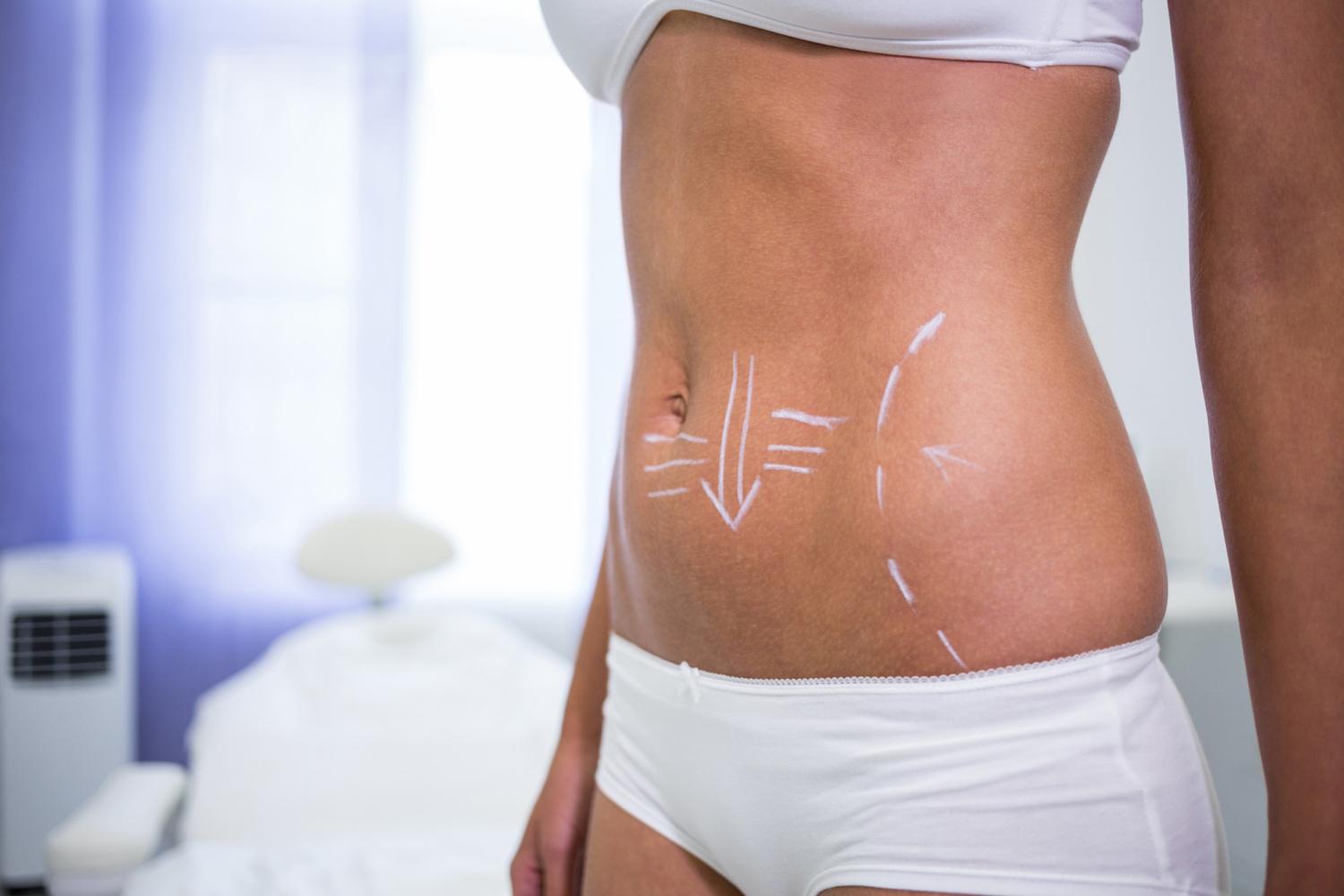
Mini Tummy Tuck Dubai: How Is the Lower Abdomen Evaluated Before Treatment?

The lower abdomen can change noticeably after pregnancy, weight fluctuations, ageing, or changes in skin elasticity. Some people may have a small amount of loose skin or localized tissue below the belly button while the upper abdomen remains relatively firm. In such situations, a mini tummy tuck may be considered as a more focused approach to lower abdominal contouring.
Before treatment, however, the lower abdomen needs to be assessed carefully. A consultation is not simply about looking at how much skin is present. The surgeon may evaluate the quality of the skin, distribution of tissue, abdominal wall, position of the belly button, previous scars, body proportions, and the patient's individual goals.
Understanding this assessment can help patients researching Mini tummy tuck dubai understand why treatment planning is personalized. Dr. Shahram Sajjadi can evaluate the lower abdominal area during consultation and determine whether a mini tummy tuck corresponds with the patient's anatomy and desired outcome.
Why Is the Lower Abdomen Evaluated Before a Mini Tummy Tuck?
A mini tummy tuck is designed primarily for selected patients with limited excess skin and tissue in the lower abdomen, particularly below the belly button. Unlike a full tummy tuck, it generally concentrates on a smaller area rather than treating extensive laxity throughout the abdomen.
Because of this focused approach, determining exactly where the excess skin and tissue are located is an important part of the consultation. A surgeon needs to understand whether the concern is genuinely concentrated in the lower abdomen or whether changes also extend toward the upper abdomen.
The evaluation helps establish whether the proposed procedure matches the anatomical area that the patient wants to improve. It also allows the surgeon to discuss what a mini tummy tuck can realistically address and whether another abdominal contouring approach may be more suitable.
Assessing the Amount of Lower Abdominal Skin
One of the first considerations is the amount of loose or excess skin below the belly button. The surgeon may examine how much skin is present, where it hangs, and how it behaves when the patient is standing and changing position.
Skin quality is also important. The assessment can include the skin's elasticity, thickness, texture, and overall condition. These characteristics can vary considerably between individuals.
For someone considering Mini tummy tuck dubai, the distinction between limited lower abdominal laxity and more widespread laxity is particularly relevant. ISAPS notes that a mini abdominoplasty is primarily intended for patients with a limited amount of excess skin below the belly button, while more extensive abdominal laxity may require a different approach.
Examining the Area Below the Belly Button
The area below the belly button receives particular attention during a mini tummy tuck assessment. The surgeon may examine the central lower abdomen as well as the areas extending toward the hips.
This examination helps determine the distribution of excess tissue. For example, one patient may have a small horizontal area of loose skin immediately above the pubic region, while another may have a broader area extending toward the sides.
The location and extent of the tissue are important because the treatment plan needs to correspond with the actual anatomical pattern rather than simply the patient's perception of the abdomen.
Evaluating Skin Elasticity
Skin elasticity can influence how the lower abdomen responds to surgical repositioning. During consultation, the surgeon may assess how readily the skin stretches and returns toward its original position.
Changes in elasticity can occur after pregnancy, significant weight loss, ageing, or repeated weight fluctuations. These factors may contribute to lower abdominal laxity.
The surgeon may therefore consider not only how much skin is present but also its quality. ASPS identifies skin quality as one of the factors considered when developing an individualized abdominal treatment plan.
This evaluation helps create a more realistic discussion about the amount of skin that may need to be addressed.
Checking the Abdominal Wall
The lower abdomen is not made up only of skin and superficial tissue. The underlying abdominal wall can also influence the appearance of the area.
During an examination, the surgeon may assess abdominal wall firmness and look for signs of laxity or separation. Changes to the abdominal wall can occur after pregnancy or substantial changes in body weight.
Not every patient considering a mini tummy tuck has the same degree of abdominal wall change. ISAPS explains that selected mini abdominoplasty patients may have limited abdominal wall laxity, while more extensive rectus diastasis or widespread laxity may point toward a different type of abdominoplasty.
This is why physical examination is an important part of determining the appropriate procedure.
Considering the Belly Button Position
The belly button provides an important anatomical reference during abdominal assessment. The surgeon may examine its position in relation to the upper and lower abdomen and consider how the surrounding skin is distributed.
A mini tummy tuck generally focuses on the lower abdomen and usually does not require repositioning of the belly button. A full tummy tuck, by comparison, addresses more extensive abdominal skin and typically involves repositioning the umbilicus.
Therefore, the relationship between the belly button and the lower abdominal skin can help the surgeon understand whether a limited procedure is appropriate.
Looking at Abdominal Tissue Distribution
Another part of the consultation involves evaluating the distribution of fat and soft tissue. A patient may have loose skin, localized superficial fat, abdominal wall laxity, or a combination of these factors.
The surgeon may examine the abdomen from different angles to understand its overall contour. The front view can show the distribution of skin and tissue, while side and oblique views may reveal areas that are less noticeable from directly in front.
ASPS notes that abdominal treatment planning can consider skin quality, muscle condition, and excess fat when determining the appropriate approach.
This broader assessment helps prevent the treatment plan from focusing on only one visible feature.
Evaluating Previous Scars
Previous abdominal surgery can affect the way the lower abdomen is assessed. Patients may have scars from caesarean sections, appendectomy, laparoscopic procedures, or other operations.
The surgeon may examine the location, direction, and condition of existing scars and consider how they relate to the proposed treatment area.
Previous surgery is also part of the medical history discussed during a tummy tuck consultation. ASPS recommends informing the surgeon about previous surgeries, medical conditions, medications, and other relevant health information.
Providing accurate information allows the consultation to be based on the patient's complete history.
Considering Pregnancy and Weight Changes
Pregnancy and significant changes in body weight can influence the appearance of the lower abdomen. The surgeon may ask about previous pregnancies, changes in weight, and whether further pregnancy is being considered.
These details help place the current abdominal appearance into context. For example, lower abdominal skin may have changed following pregnancy, while substantial weight loss may have created excess skin.
Future changes in body shape can also be discussed when establishing treatment goals. This makes the consultation more than a simple physical examination; it becomes an opportunity to consider the patient's current anatomy alongside longer-term objectives.
Understanding the Patient's Treatment Goals
The patient's goals are an essential part of the evaluation. Two people may have similar amounts of lower abdominal skin but want different types of improvement.
One patient may be mainly concerned about loose skin below the belly button. Another may want improved definition of the lower abdominal contour. Someone else may be concerned about how the abdomen looks in fitted clothing or swimwear.
During consultation, Dr. Shahram Sajjadi can discuss these priorities and compare them with the physical findings. ASPS recommends discussing surgical goals and desired outcomes during the consultation so that treatment planning can be individualized.
Comparing a Mini Tummy Tuck With Other Options
The evaluation also helps determine whether a mini tummy tuck is the appropriate type of abdominal procedure.
A mini tummy tuck is generally focused on limited laxity below the belly button. A full tummy tuck is designed to address more extensive abdominal skin laxity and can provide broader treatment of the abdominal wall. An extended approach can address tissue extending farther toward the flanks.
This comparison is important because choosing a procedure should be based on anatomy rather than simply choosing the smallest available operation.
For patients searching for the Best mini tummy tuck, the most relevant consideration is therefore an individualized assessment of the lower abdomen rather than a generic treatment approach.
How Photographs and Measurements Support Planning
Clinical photographs may be taken during consultation to document the starting appearance of the abdomen. The surgeon may also use measurements and physical examination findings to understand the distribution of skin and tissue.
Photographs can provide consistent views from the front, side, and other angles. Together with the physical examination, they can help the surgeon develop a more detailed treatment plan.
ASPS lists photographs, physical assessment, discussion of treatment options, and evaluation of the patient's goals among the components of a tummy tuck consultation.
How Medical History Supports the Assessment
A comprehensive consultation also includes relevant medical information. Patients may be asked about previous procedures, medical conditions, medications, supplements, allergies, and lifestyle factors.
This information gives the surgeon a broader understanding of the patient's circumstances before discussing treatment.
For someone considering Mini tummy tuck dubai, bringing accurate information to the appointment can make the consultation more productive. It allows the discussion to cover both the physical characteristics of the lower abdomen and the wider factors relevant to treatment planning.
Creating an Individualized Lower Abdominal Treatment Plan
Once the lower abdomen has been examined, the surgeon can bring the findings together with the patient's goals.
The resulting plan may consider the location and amount of excess skin, skin elasticity, soft-tissue distribution, abdominal wall characteristics, belly button position, previous scars, body proportions, and the patient's desired contour.
This individualized approach is particularly important for a mini tummy tuck because the procedure treats a more limited anatomical area. ISAPS emphasizes that appropriate patient selection should be based on the location and extent of excess tissue and abdominal laxity rather than simply choosing a smaller procedure.
A consultation with Dr. Shahram Sajjadi can therefore provide a clearer understanding of how the lower abdomen may be evaluated and what treatment approach corresponds with the individual's anatomy.
Conclusion
Evaluating the lower abdomen before a mini tummy tuck involves much more than identifying loose skin. The surgeon may examine skin quality, elasticity, tissue distribution, abdominal wall characteristics, belly button position, previous scars, body proportions, and the patient's individual treatment goals.
A Mini tummy tuck dubai procedure is generally intended for selected patients whose concerns are concentrated in the lower abdomen. Careful assessment helps determine whether this focused approach corresponds with the patient's anatomy or whether a broader abdominal procedure should be considered.
For patients researching the Best mini tummy tuck, an individualized consultation is an important step. Dr. Shahram Sajjadi can assess the lower abdominal area, discuss the patient's objectives, and develop a treatment plan based on the findings of the consultation.
Frequently Asked Questions
What is evaluated during a mini tummy tuck consultation?
The surgeon may evaluate lower abdominal skin, elasticity, tissue distribution, abdominal wall characteristics, belly button position, previous scars, body proportions, and the patient's treatment goals.
Why is the area below the belly button important for a mini tummy tuck?
A mini tummy tuck primarily focuses on limited excess skin and tissue below the belly button. Therefore, determining whether the patient's concerns are concentrated in this area is an important part of treatment planning.
Is skin elasticity evaluated before a mini tummy tuck?
Yes. Skin quality and elasticity can be considered during the physical examination because they help the surgeon understand the condition and distribution of the lower abdominal skin.
Does the surgeon examine the abdominal muscles?
The abdominal wall may be assessed during consultation. The surgeon may look for signs of abdominal wall laxity or rectus diastasis when determining the appropriate type of abdominal contouring procedure.
Is the belly button examined during a mini tummy tuck consultation?
Yes. Its position and relationship to the surrounding abdominal skin may be considered. A mini tummy tuck generally does not require repositioning of the belly button, unlike many full tummy tuck techniques.
Can previous abdominal surgery affect the assessment?
Previous surgery can be relevant to treatment planning. Patients should tell their surgeon about previous abdominal procedures and provide accurate information about their medical history.
Does pregnancy affect lower abdominal evaluation?
Pregnancy can change abdominal skin and the abdominal wall. The surgeon may therefore ask about previous pregnancies and discuss future pregnancy plans when establishing treatment goals.
Does weight loss affect the lower abdomen?
Significant weight loss can leave excess or loose abdominal skin. The amount and location of this skin are considered when determining whether a mini or more extensive abdominoplasty approach is appropriate.
Can a mini tummy tuck address the upper abdomen?
A mini tummy tuck is primarily designed for the lower abdomen. If significant loose skin or laxity extends above the belly button, the surgeon may discuss a broader abdominal procedure instead.
Is liposuction considered during the assessment?
The surgeon may evaluate the distribution of superficial fat and determine whether additional contouring could be appropriate. The decision depends on individual anatomy and treatment goals.
What should I discuss with Dr. Shahram Sajjadi during consultation?
Patients can discuss their concerns about the lower abdomen, desired contour, previous procedures, pregnancy history, weight changes, medical history, and expectations. The surgeon can then explain which treatment approach corresponds with the examination findings.
How is the appropriate tummy tuck type determined?
The choice depends on the location and extent of excess skin, abdominal wall changes, previous surgery, individual anatomy, and treatment goals. A mini tummy tuck is generally considered when laxity is limited mainly to the lower abdomen.
Why is an individualized assessment important for a mini tummy tuck?
Every patient's lower abdomen has different skin quality, tissue distribution, abdominal wall characteristics, and proportions. A personalized assessment helps ensure that the proposed treatment is based on the patient's actual anatomy rather than a standard approach.
