

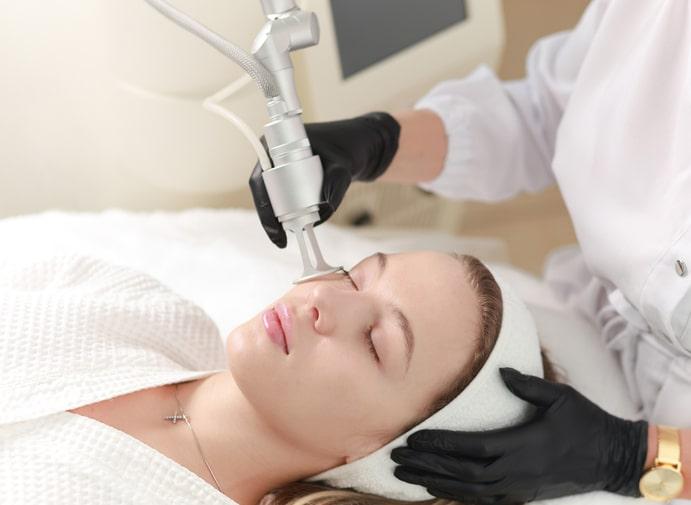
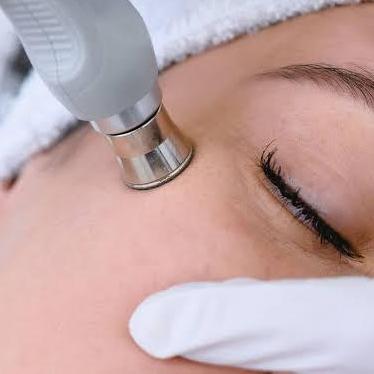
Rough skin can make the face feel uneven, dry, or less smooth, especially when dead skin cells, sun exposure, acne marks, or changes in skin texture are involved. Laser Skin Resurfacing in Dubai is a treatment option offered in aesthetic dermatology to improve uneven surface texture by using controlled laser energy to encourage skin renewal. At Dynamic Clinic in Dubai, this approach may be considered as part of a personalized plan based on skin type, texture concerns, and treatment goals.
What Causes Rough Skin?
Rough texture can develop for several reasons, and identifying the underlying cause helps determine whether resurfacing is appropriate. Common contributors include:
- Accumulation of dead skin cells
- Prolonged sun exposure
- Dehydrated or dry skin
- Acne and post-acne changes
- Enlarged pores
- Uneven skin renewal
- Mild surface scarring
- Natural changes associated with ageing
The skin barrier also plays an important role. When moisture levels are low or the barrier is irritated, the surface may feel flaky, tight, or coarse even when there is no significant scarring.
How Does Laser Skin Resurfacing Affect Skin Texture?
Laser resurfacing uses focused light energy to target selected layers of the skin. Depending on the technology and treatment approach, the laser can remove or heat targeted tissue while stimulating the body's natural repair response.
This process can support the production of collagen and promote the formation of newer skin tissue. As the treated area heals, the surface may become more even and refined.
The exact mechanism depends on whether an ablative or non-ablative approach is used. Ablative treatments generally affect more of the skin's surface, while non-ablative options work deeper without removing the same amount of surface tissue.
Can It Make Rough Skin Feel Smoother?
Laser resurfacing can help improve certain forms of rough or uneven skin texture. It is particularly relevant when roughness is linked to structural changes such as acne-related texture, superficial scarring, sun damage, or uneven skin renewal.
Potential texture-related improvements may include:
- Smoother-looking skin
- More even surface texture
- Reduced appearance of some superficial scars
- Refined-looking pores
- Improved overall skin uniformity
The degree of improvement varies according to the cause of roughness, treatment depth, skin condition, and individual healing response.
Which Types of Rough Texture May Respond?
Not every rough-skin concern has the same cause. Laser treatment is generally considered more relevant when texture changes involve the skin's structure rather than temporary dryness.
For example, a person with persistent uneven texture after acne may require a different approach from someone whose skin feels rough because of dehydration. A professional skin assessment can help distinguish between these concerns.
Texture caused mainly by irritation, active inflammation, or a weakened skin barrier may require appropriate skin-barrier care before an energy-based procedure is considered.
What Happens During Skin Resurfacing?
The treatment process varies according to the laser used and the individual's skin needs. A typical treatment plan may involve:
- Skin assessment: The skin is examined to identify texture concerns, pigmentation, sensitivity, and other factors.
- Treatment planning: Laser type and intensity are selected according to the treatment area and desired level of resurfacing.
- Laser application: Controlled energy is delivered to targeted areas of the skin.
- Skin recovery: The treated tissue undergoes a natural healing and renewal process.
- Follow-up assessment: Skin response can be reviewed to determine whether additional treatment is appropriate.
Following aftercare instructions is important because the newly treated skin can be more sensitive to environmental exposure.
Does Skin Type Matter?
Yes. Skin type and pigmentation can influence how laser resurfacing is planned. Individuals with darker skin tones may have a greater risk of post-inflammatory hyperpigmentation after certain laser procedures, making careful treatment selection particularly important.
A qualified professional may consider:
- Natural skin tone
- History of pigmentation
- Sensitivity and inflammation
- Previous cosmetic treatments
- Current skincare products
- Active skin conditions
- The type and depth of textural changes
This individualized assessment supports safer treatment planning and helps avoid using a one-size-fits-all approach.
How Can Results Be Supported?
Skin recovery can vary from person to person. Appropriate aftercare can help protect the treated area while the skin undergoes renewal.
Common recommendations may include:
- Following the provided cleansing and moisturizing routine
- Using broad-spectrum sun protection
- Avoiding unnecessary sun exposure
- Not picking or scratching treated areas
- Pausing irritating skincare products when advised
- Following professional instructions about when to resume active ingredients
Sun protection is particularly important because ultraviolet exposure can contribute to pigmentation and affect the appearance of newly treated skin.
Is Laser Resurfacing Suitable for Everyone?
Laser resurfacing is not automatically appropriate for every person with rough skin. Active infections, certain inflammatory skin conditions, recent procedures, medication use, and a history of abnormal scarring may affect treatment suitability.
A professional evaluation is therefore an important step before choosing a resurfacing procedure. It allows the underlying cause of roughness and the individual's skin characteristics to be considered together.
Conclusion
Laser skin resurfacing can improve certain forms of rough and uneven skin texture by supporting controlled skin renewal and collagen remodeling. Its usefulness depends on what is causing the roughness, the type of laser selected, skin characteristics, and the individual's healing response. For people in Dubai considering resurfacing for persistent texture concerns, an individualized assessment can help determine whether laser treatment is an appropriate option.

