


What Conditions Can Peptide Therapy in Dubai Potentially Support?
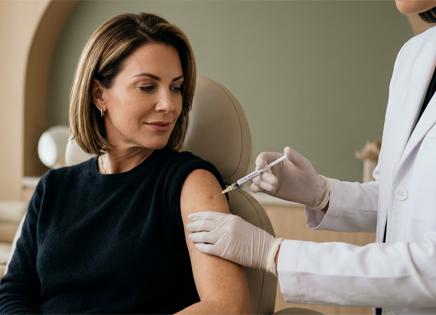
peptide therapy in dubai has attracted growing attention as researchers continue to study how specific peptides interact with biological pathways in the body. Peptides are short chains of amino acids that can act as signaling molecules, helping regulate different physiological processes. However, “peptide therapy” is a broad term, and the potential benefits depend entirely on the particular peptide, its formulation, dosage, medical indication, and available clinical evidence.
Some peptide-based medicines have established medical uses, while others remain under investigation. Therefore, peptide therapy should not be viewed as a single treatment for multiple conditions. Instead, it should be considered a category of treatments that may have different purposes.
Weight Management and Obesity
One of the most established areas involving peptide-based medicines is weight management. Certain glucagon-like peptide-1 (GLP-1) receptor agonists are used clinically for obesity and type 2 diabetes. Current diabetes guidance recognizes medications such as semaglutide and tirzepatide as important pharmacological options for appropriate patients with diabetes and overweight or obesity.
These medicines can influence appetite, food intake, blood glucose regulation, and body weight. Clinical evidence has also demonstrated effects on body composition in adults with overweight or obesity.
However, not every peptide marketed for weight loss has the same level of evidence. Patients should discuss their medical history and treatment goals with a qualified healthcare professional before beginning therapy.
Blood Sugar and Metabolic Health
Some peptide-based medicines have an established role in managing blood glucose and metabolic conditions. GLP-1 receptor agonists, for example, can help regulate glucose metabolism and are used in the treatment of type 2 diabetes.
For individuals with diabetes and overweight or obesity, treatment decisions may consider both glycemic control and weight management. Current clinical recommendations emphasize individualized selection of medication according to potential benefits, risks, and patient circumstances.
This makes medical assessment particularly important when considering peptide-based treatment for metabolic health.
Hormone-Related and Endocrine Conditions
Certain peptide medicines are also associated with endocrine functions. Depending on the specific product, peptides may interact with pathways involved in hormone signaling, growth-related processes, or other physiological functions.
However, this area requires careful distinction between approved peptide medicines and investigational peptides. A peptide being studied for a particular hormone-related purpose does not automatically mean it is an established treatment for that condition.
A healthcare professional can determine whether a particular peptide has an appropriate medical indication and whether alternative treatments may be more suitable.
Recovery and Physical Performance
Some peptides are promoted for muscle recovery, tissue repair, or physical performance. These claims have contributed to increasing interest in peptide therapy among physically active individuals.
Nevertheless, evidence varies considerably between different peptides. Some compounds frequently promoted online have limited human safety or efficacy data. For example, the FDA has identified limited or insufficient safety information for several compounded peptides, including BPC-157, CJC-1295, ipamorelin, and others.
Therefore, people should be cautious about assuming that a peptide advertised for recovery or performance is clinically proven or appropriate for personal use.
Healthy Aging and Wellness Goals
Peptide therapy is sometimes discussed in relation to healthy aging, energy, body composition, and general wellness. These areas are popular within the broader longevity market, but the scientific evidence is not equally strong for every peptide or claimed benefit.
A responsible approach is to separate research interest from established clinical treatment. The fact that researchers are investigating a peptide does not mean it has been proven to prevent aging or treat a particular age-related condition.
The FDA notes that peptide drug development requires consideration of factors such as drug interactions, liver function, immune responses, pharmacokinetics, safety, and efficacy.
Why Medical Assessment Matters
Before considering peptide therapy in Dubai, patients should receive an appropriate medical evaluation. This may involve reviewing medical history, current medications, existing conditions, treatment objectives, and relevant laboratory findings.
This assessment helps determine whether a peptide-based treatment is medically appropriate and whether potential risks or interactions need to be considered.
It is also important to understand that not every peptide available through online sellers or wellness providers is an approved medical treatment. The FDA has recently issued warnings concerning companies marketing unapproved peptide products, highlighting concerns surrounding product quality and injectable drug safety.
Peptide Therapy at Tajmeels Clinic in Dubai
At tajmeels clinic dubai, peptide therapy can be approached through individualized medical assessment rather than a one-size-fits-all wellness program. A suitable treatment plan should consider the patient's health background, goals, existing medications, and the specific peptide being considered.
The clinic-based approach can also help patients understand what a particular treatment is intended to address, what evidence supports it, how monitoring may be performed, and what alternatives may exist. This type of informed consultation is especially important because peptide therapies differ substantially in their approved uses and supporting evidence.
Safety and Realistic Expectations
Peptide therapy should not be considered automatically safe simply because peptides occur naturally in the human body. Therapeutic peptides can have pharmacological effects, and their safety depends on the individual compound, dose, route of administration, formulation, and patient factors.
Patients should also avoid relying on claims that promise rapid or universal results. Evidence-based treatment requires realistic expectations and appropriate monitoring.
Ultimately, the condition being treated should determine the therapy—not the popularity of a particular peptide. A qualified healthcare professional can help establish whether peptide therapy is appropriate and whether the proposed treatment has sufficient evidence for the intended purpose.
More Information
Tajmeels Clinic Dubai
WhatsApp: +971 56 203 8751
Phone: tel:+971 43739000
Social Media:

 Bangla