


Luxury housing in Turkey is being shaped by changing buyer expectations, evolving residential design, international demand, and the growing importance of location-specific lifestyle features. Coastal destinations, major urban centers, and properties offering privacy, amenities, and connectivity continue to influence how the premium residential segment is structured.
The Turkey Luxury Residential Real Estate Market covers high-end residential properties positioned around premium locations, larger living spaces, exclusive amenities, and lifestyle-oriented features. The segment includes formats such as luxury apartments, condominiums, penthouses, townhouses, villas, and mansions. Its development is influenced by affluent domestic buyers, international purchasers, tourism activity, infrastructure improvements, and preferences for more personalized residential environments. The premium housing market in Turkey also reflects broader changes in expectations surrounding sustainability, technology, and residential comfort.
Demand patterns within the premium housing segment vary considerably by geography. Istanbul remains important because of its metropolitan scale, established business districts, cultural attractions, and diverse residential offerings, while coastal destinations appeal to buyers seeking second homes and lifestyle properties. Bodrum, Antalya, and other Mediterranean and Aegean locations can attract interest where waterfront access, tourism infrastructure, natural surroundings, and leisure amenities intersect.
Infrastructure Is Influencing Residential Location Choices
Transportation and urban infrastructure can play an important role in determining the attractiveness of high-value residential locations. Improved road connections, rail networks, airports, and supporting urban infrastructure can reduce travel friction between residential districts, commercial centers, tourism destinations, and international gateways. For premium property buyers, accessibility is therefore increasingly considered alongside views, architectural quality, privacy, and available amenities.
Major urban developments can also reshape surrounding residential demand by improving connectivity and encouraging investment in supporting commercial and lifestyle facilities. In Istanbul, for example, established premium districts can benefit from proximity to employment centers, cultural destinations, retail areas, and transportation networks. In coastal markets, accessibility can similarly affect the appeal of properties intended for seasonal occupancy or second-home use.
Second Homes Remain an Important Demand Theme
Second-home demand represents a significant theme within Turkey's premium residential segment. Affluent buyers may consider properties for vacation use, extended stays, family accommodation, or diversification of residential assets. Locations combining favorable climate conditions, scenic surroundings, hospitality infrastructure, and established tourism ecosystems can therefore receive attention from international as well as domestic purchasers.
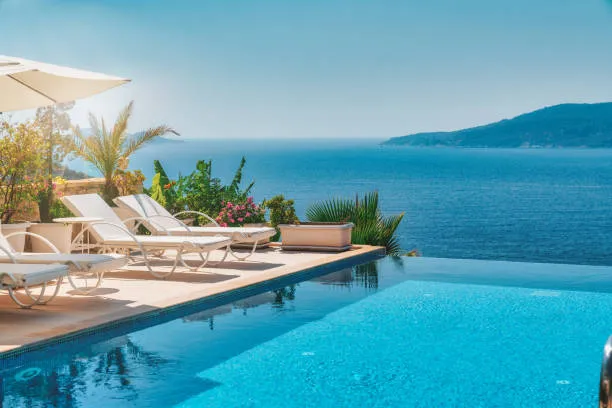
The second-home trend also influences property design. Buyers seeking vacation-oriented residences may place greater emphasis on private outdoor areas, swimming pools, landscaped gardens, entertainment spaces, wellness facilities, and views. Developers responding to these preferences can incorporate lifestyle features into residential concepts, particularly in coastal destinations where the relationship between the property and its surrounding environment is an important part of the residential proposition.
Sustainability Is Reshaping Luxury Home Design
Sustainability is becoming increasingly relevant to premium residential development. Energy-efficient systems, water-saving technologies, sustainable construction materials, green spaces, and renewable-energy solutions can help address both environmental considerations and long-term operating requirements. The shift is also connected with changing expectations among affluent buyers, who may increasingly consider environmental performance when evaluating residential properties.
Green building practices can extend beyond individual technologies to influence the overall design of residential developments. Features such as improved insulation, efficient lighting, renewable-energy integration, rainwater management, landscaped areas, and environmentally conscious materials can be incorporated into new projects. In this context, sustainable luxury is increasingly associated with combining comfort and design quality with resource efficiency.
Technology Is Changing the Property-Buying Experience
Digital technology is another factor affecting the premium property ecosystem. Virtual tours, augmented-reality applications, digital property presentations, and online communication tools can make it easier for prospective buyers to evaluate properties remotely. These technologies are particularly relevant when purchasers are located outside Turkey and cannot immediately visit every property under consideration.
Smart-home technology is also becoming more closely associated with contemporary premium residences. Automated lighting, security systems, climate controls, energy management, and connected household devices can provide greater control over residential environments. For luxury developments, technology can therefore function as both a convenience feature and part of the broader expectation for modern, integrated living spaces.
Regulatory Factors Remain Relevant for International Buyers
Cross-border property transactions involve legal and administrative considerations that can influence the purchasing process. Foreign buyers may need to address documentation, property registration, valuation, zoning requirements, and other regulatory procedures before completing a transaction. These requirements can add complexity, particularly for purchasers who are unfamiliar with Turkey's property regulations.
Clear documentation and compliance procedures are consequently important components of international residential transactions. Buyers, developers, and intermediaries may need to account for ownership restrictions, verification requirements, property documentation, and applicable legal processes. According to the Markntel Advisor research on Turkey's premium housing sector, regulatory complexity affecting foreign buyers is identified as a challenge for the segment.
What Could Shape the Segment Ahead
The direction of Turkey's premium housing segment is likely to remain connected to several overlapping factors rather than a single demand driver. International mobility, tourism, infrastructure development, sustainability preferences, digital property experiences, and demand for second homes can collectively influence residential development and buyer behavior. At the same time, regulatory requirements and differences between urban and coastal markets will remain relevant to market participants.
Luxury residential development is consequently moving toward a broader definition of value that extends beyond property size or location alone. Connectivity, environmental performance, technology integration, wellness-oriented amenities, privacy, and lifestyle compatibility are becoming important considerations within premium housing. Understanding these factors provides a more complete view of how Turkey's high-end residential landscape is evolving across major metropolitan and coastal destinations.
