

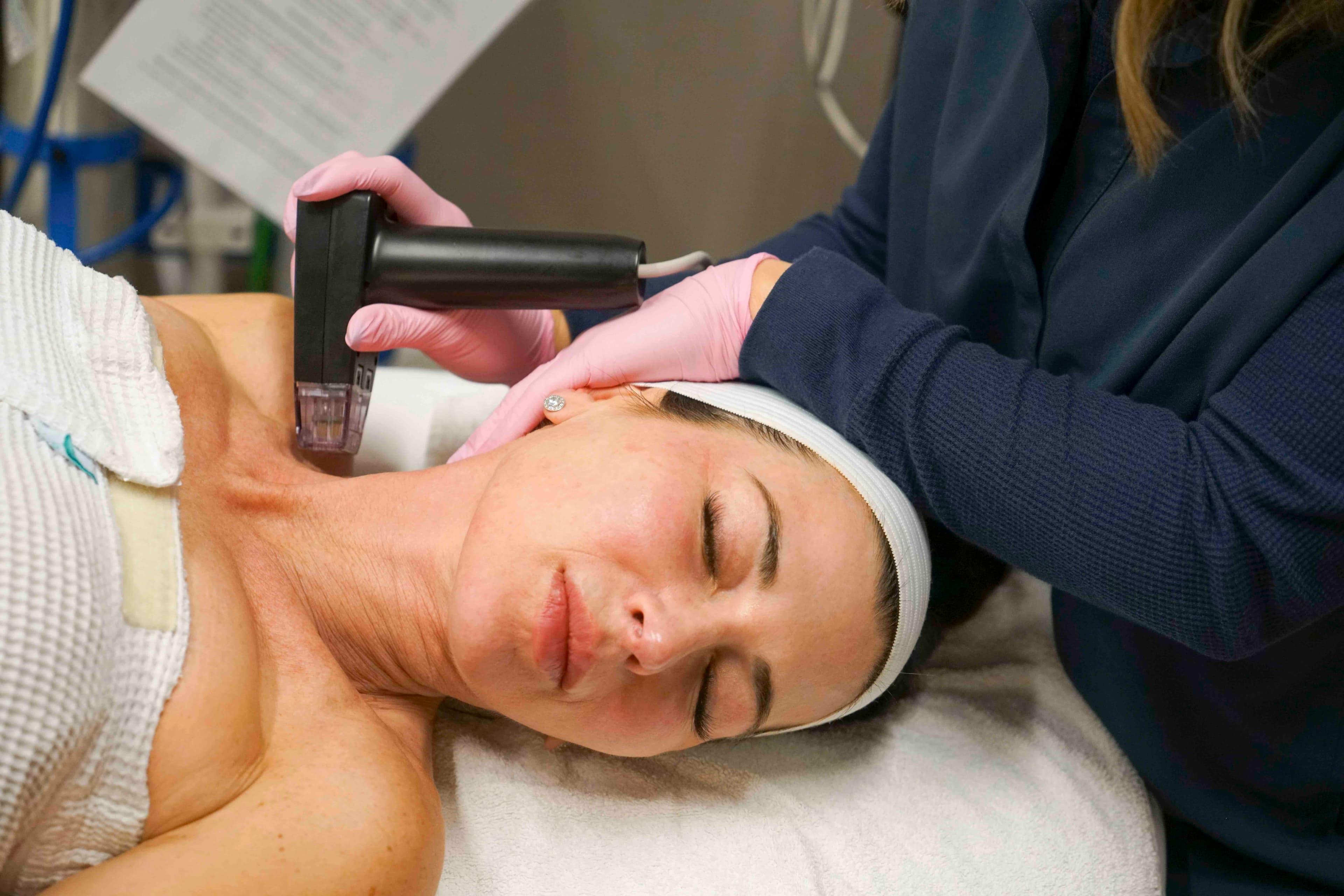
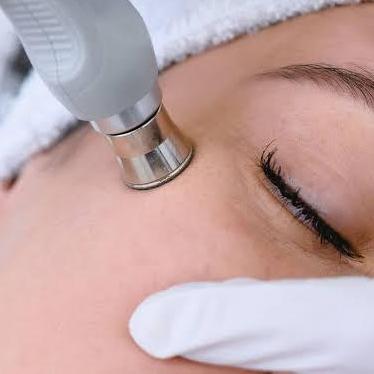
Recovery after radiofrequency microneedling can vary from one person to another because skin condition, treatment settings, and aftercare all influence the healing process. For people researching Morpheus8 Treatment Dubai, understanding these factors can make the recovery period easier to manage. Dynamic Clinic in Dubai provides treatment planning based on individual skin needs, while proper professional assessment helps determine how the skin may respond.
1. Treatment Intensity and Settings
Morpheus8 combines microneedling with radiofrequency energy. The needles create controlled micro-injuries while RF energy delivers heat into targeted layers of the skin. Because treatment depth and energy settings can be adjusted, the intensity used can affect post-treatment redness, swelling, sensitivity, and downtime. More intensive treatment may produce a stronger inflammatory response as the skin begins its repair process.
2. Individual Skin Characteristics
Every person's skin has a different healing pattern. Skin thickness, sensitivity, hydration, pigmentation tendency, and overall condition can influence how the treated area responds.
People with sensitive or reactive skin may experience more noticeable temporary redness or discomfort. A history of post-inflammatory pigmentation can also be relevant when planning RF microneedling, particularly for individuals with darker skin tones. A professional skin assessment helps identify these considerations before treatment.
3. The Treatment Area
The location being treated can also influence recovery. Facial skin, for example, may respond differently from thicker skin on the body. Areas with greater sensitivity, movement, or different tissue thickness may require a more individualized treatment approach.
The size of the treatment area can also affect the overall recovery experience. Treating a small facial area and treating several larger areas are not identical from a skin-care perspective.
4. Existing Skin Conditions
The condition of the skin before treatment matters. Active irritation, infection, significant sun exposure, or certain inflammatory skin problems may affect whether treatment should proceed.
Microneedling guidance from the American Academy of Dermatology notes that treatment may need to be postponed when the skin has an infection, recent sunburn or tan, or certain active acne lesions.
A pre-treatment evaluation can therefore be important for identifying factors that could interfere with normal recovery.
5. Aftercare Habits
What happens after treatment can have a direct effect on the skin barrier while it is recovering. Recently treated skin can be more sensitive, making gentle skin care particularly important.
Typical aftercare considerations may include:
- Following the personalized instructions provided after treatment
- Avoiding unnecessary touching or rubbing of the treated skin
- Using recommended skin-care products
- Protecting the treated area from excessive sun exposure
- Avoiding tanning while the skin is healing
- Waiting before returning to certain cosmetic products when advised
The American Academy of Dermatology recommends individualized aftercare and consistent sun protection following microneedling because treated skin can be more vulnerable to irritation and pigmentation changes.
6. Sun Exposure and Dubai's Climate
Sun protection deserves particular attention for people undergoing Morpheus8 Treatment Dubai. Strong ultraviolet exposure can affect recovering skin and may contribute to unwanted pigmentation after inflammation.
For Dubai residents, regular outdoor exposure can make daily photoprotection especially relevant. Broad-spectrum sunscreen, protective clothing, shade, and limiting unnecessary direct sun exposure can help support the skin while it recovers.
7. Skin-Care Products Used Around Treatment
Some active skin-care ingredients can be irritating when the skin barrier is temporarily sensitive. Retinoids, exfoliating acids, and other strong products may therefore need to be paused around treatment depending on individual circumstances.
Rather than restarting products according to a fixed schedule, patients should follow the specific instructions provided for their skin. The appropriate timing can depend on the treatment intensity and the condition of the skin after the procedure.
8. Lifestyle and Healing Factors
The body's normal healing response is another part of recovery. Adequate hydration, balanced nutrition, sufficient sleep, and avoiding smoking can support general skin health.
Individual medical factors and medications can also affect whether a person is an appropriate candidate for microneedling or how the skin responds afterward. This makes a complete medical and skin assessment relevant before treatment.
9. Professional Technique and Treatment Planning
The way RF microneedling is performed can influence the recovery experience. Needle depth, energy delivery, treatment pattern, and the area being treated all require appropriate clinical judgment.
The American Academy of Dermatology emphasizes that cosmetic procedures involving the skin require appropriate medical knowledge and training. The organization has also highlighted safety concerns associated with certain uses of RF microneedling, reinforcing the importance of qualified professional assessment and treatment planning.
When Should Recovery Be Discussed With a Professional?
Temporary redness, swelling, sensitivity, or a sunburn-like sensation can occur after microneedling-based treatments. These reactions generally settle as the skin barrier recovers, although the duration varies between individuals.
Professional advice is appropriate if symptoms appear unusually severe, persist longer than expected, or are accompanied by signs that could indicate a complication. Patients should also avoid changing their post-treatment routine based solely on online advice.
Conclusion
Morpheus8 recovery is influenced by treatment intensity, skin type, treatment area, existing skin conditions, sun exposure, aftercare, skin-care products, lifestyle factors, and professional technique. Understanding these variables allows patients to approach RF microneedling with realistic expectations and a recovery plan suited to their individual skin.
