


Party Printed Paper Napkins Custom Printing Papernapkinfactory
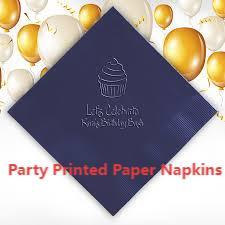
Choosing the right Party Printed Paper Napkins can transform event presentation, and experienced suppliers know how print, ply, and finish affect appearance and function; selecting the perfect Party Printed Paper Napkins balances cost, aesthetics, and environmental priorities. This guide walks through material choices, printing methods, sustainability options, packaging logistics, and customization strategies to help planners and buyers make informed decisions that deliver consistent results.
Material selection and ply choices
Paper basis weight and ply determine both absorbency and perceived quality. Single-ply napkins reduce cost and pack smaller, making them suitable for casual gatherings, while two- or three-ply constructions offer better absorbency and a more luxurious hand-feel for weddings and formal events. Tissue fiber composition (virgin pulp, recycled content, or blends) affects softness and print fidelity: higher virgin content often yields sharper color reproduction, while recycled blends support sustainability goals. Embossing can add apparent thickness and tactile appeal without increasing actual paper weight.
Printing technologies and color fidelity
Choosing an appropriate printing method is essential for accurate color matching and detail. Flexographic printing is efficient for high-volume, multi-color runs, while rotogravure and digital presses produce finer gradients and photographic detail for premium designs. For branded events, insist on Pantone matches and press proofs to verify color fidelity. Ink selection matters—use food-safe, water-based inks when napkins will be near food; these inks dry quickly and minimize transferred taste concerns. Coordinate embossing and printing order with the supplier to avoid smearing or registration issues on textured surfaces.
Sustainable options and certifications
Eco-conscious clients increasingly request certifications such as FSC or PEFC and clear statements about recycled content and compostability. Consider specifying post-consumer recycled content where appropriate, but test printability and strength first; high recycled content can alter ink absorption and emboss behavior. Vegetable-based inks and minimal plastic packaging reduce environmental footprint. Some manufacturers also provide compostability statements and end-of-life guidance to help event planners communicate sustainability commitments to attendees.
Packaging, logistics, and retail presentation
How napkins are packed affects both transit damage and retail shelf presence. Moisture-resistant inner wraps and sturdy outer cartons prevent color scuffing and flattening, while retail-ready sleeves and display cartons improve on-shelf appeal. For bulk shipments, optimize pallet configurations and stack orientation to reduce freight costs and damage. Consider fold types (quarter-fold, dinner-fold, or cocktail-fold) early: fold determines pack count per carton and influences display options at point of sale. For private-label projects, coordinate SKU labeling and barcode placement to streamline warehouse receiving.
Papernapkinfactory custom services and run planning
Papernapkinfactory offers prototyping, proofing, and run-size guidance that help brands choose the most economical production path. Digital short runs suit rapid-turn, low-volume launches, while flexo or rotogravure becomes cost-effective at higher volumes after setup. Work with the supplier on artwork bleed, safe zones, and emboss alignment to ensure final products meet expectations. Papernapkinfactory can advise on minimum order quantities, packaging alternatives, and lead times to match seasonal demand peaks or promotional schedules.
Quality control and compliance checks
Insist on sampling and documented QC checks: color variance, ink adhesion, absorbency tests, and emboss depth verification. For napkins intended for use with food, request certificates showing ink safety and supplier declarations. Batch traceability and photographic records of press sheets reduce disputes and simplify reorders. A clear corrective-action process and communication protocol with the supplier shorten resolution time if issues arise.
Design tips that elevate events
Match scale and motif to the event: bold patterns work well on large banquet settings, whereas delicate borders suit intimate gatherings. Typography should be legible at the chosen fold size, and small interactive elements like QR codes should be tested for printability on textured tissue. Consider coordinating napkin graphics with tableware palettes and centerpieces to create a cohesive visual story.
Selecting the right Party Printed Paper Napkins is a practical balance of material science, print technology, sustainability, logistics, and creative vision. Thoughtful early decisions reduce cost, improve production predictability, and enhance guest experience. For samples, technical specs, and ordering details, visit www.papernapkinfactory.com

 Bangla