


Painting Services Melbourne: A Complete Guide to Professional Results
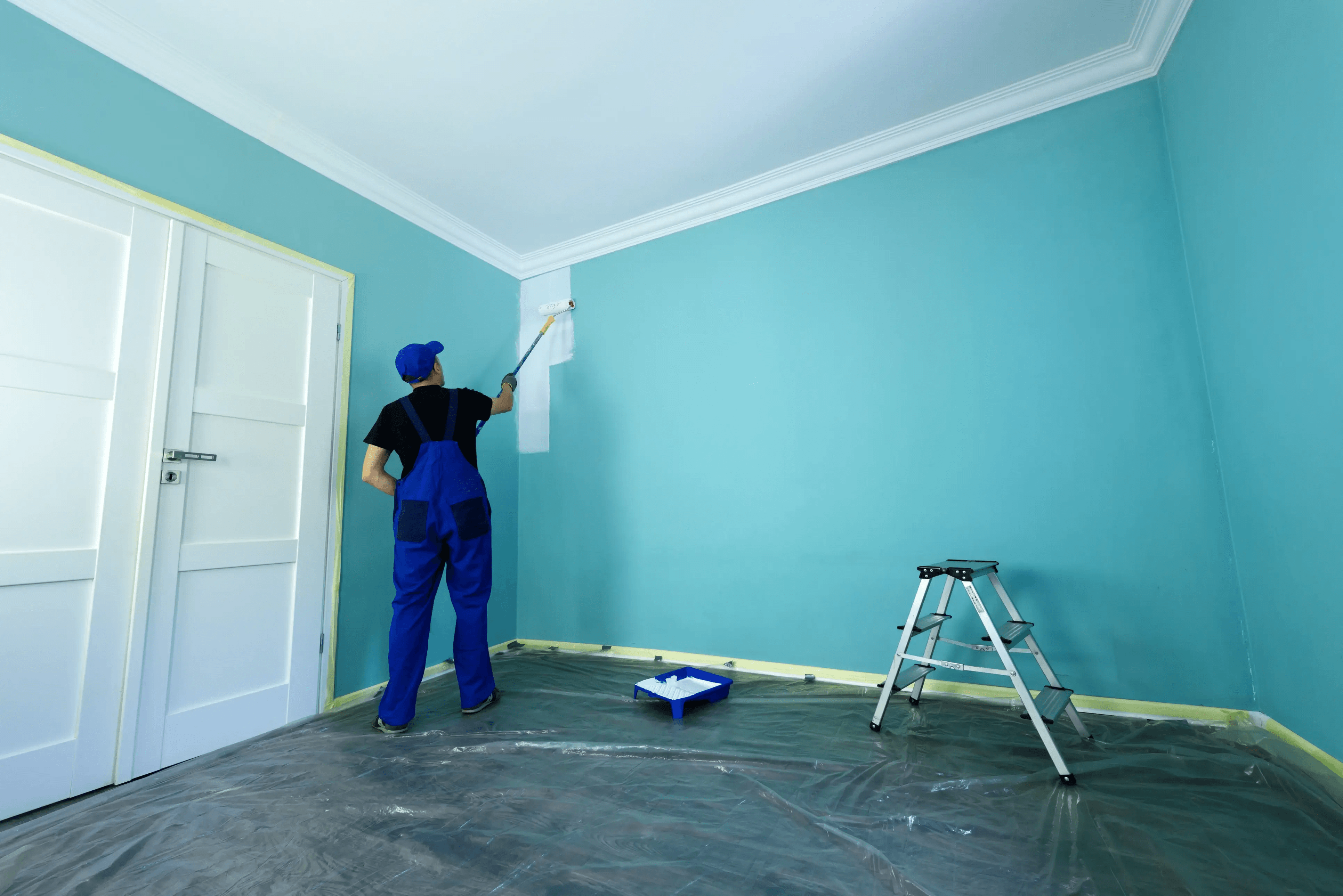
A well-planned painting project can improve the appearance of a property while giving worn surfaces a cleaner and more consistent finish. However, the result depends on much more than the colour selected. Surface condition, preparation, paint compatibility, application technique, drying conditions, and the intended use of each area all need attention. Painting Services Melbourne can provide support across these stages, from initial assessment through preparation and final inspection.
Choosing a painting service is easier when property owners understand what professional work should include. A detailed scope can prevent misunderstandings about preparation, materials, repairs, coats, access, and cleanup. Whether the project involves a home, rental property, office, retail space, or exterior surface, the right approach should be based on the property's actual requirements rather than a one-size-fits-all process.
Understanding Your Painting Requirements
The first step is to identify what the project needs to accomplish.
Cosmetic Refresh
Some properties simply need a colour update or a fresh finish because walls have become marked or dull. These projects may require less extensive preparation if the existing surfaces are stable.
Property Maintenance
Older paintwork may show cracking, peeling, staining, or general deterioration. In such cases, preparation becomes a larger part of the project.
Property Sale or Rental
Painting before selling or leasing can improve presentation, particularly where walls contain visible marks or inconsistent colours. The scope should still be based on the property's condition rather than applying unnecessary work.
Commercial Rebranding
A business may repaint an office, shop, showroom, or other space to reflect a new colour scheme or updated branding. Scheduling and access become particularly important when the premises remain operational.
What Makes a Painting Job Professional?
Professional painting is not defined simply by the use of expensive products. Workmanship involves several measurable stages.
Accurate Surface Assessment
The painter should identify the substrate, existing coating, visible damage, contamination, and preparation requirements before work starts.
Appropriate Preparation
Surfaces may require cleaning, scraping, sanding, filling, patching, or priming. The exact preparation depends on the condition and material.
Controlled Application
Paint should be applied according to the product requirements and the characteristics of the surface. Application methods can include brushes, rollers, and spray equipment.
Careful Finishing
Edges around windows, doors, ceilings, skirting boards, and other transitions require attention. A final inspection should identify visible defects or missed areas.
Choosing the Right Painting Service
Not every painting contractor will offer the same level of service or experience.
Review Previous Work
Examples of completed projects can help demonstrate the type of work a painter regularly handles. Look for projects similar in scale and property type to your own.
Ask Detailed Questions
Useful questions include:
-
What preparation is included?
-
Which surfaces will be painted?
-
What products are proposed?
-
How many coats are included where applicable?
-
Who supplies the materials?
-
How will furniture and flooring be protected?
-
How are additional repairs handled?
-
What cleanup is included?
Clear answers can make the scope easier to compare.
Check Communication
A contractor should be able to explain the work in understandable terms. Good communication is especially important when a project involves several rooms, multiple colours, difficult access, or commercial scheduling.
Preparing Different Surfaces
The preparation method should be matched to the substrate.
Plaster and Plasterboard
These surfaces may contain holes, dents, joints, previous repairs, or uneven areas. Filling and sanding may be required before painting.
Timber
Timber can require cleaning, sanding, filling, and suitable priming. Exterior timber also needs consideration of weather exposure and the condition of existing coatings.
Masonry
Masonry surfaces may require cleaning and appropriate preparation before a compatible coating is applied.
Metal
Metal surfaces can require removal of loose coatings and treatment appropriate to the substrate. Corrosion should be addressed before applying a suitable coating system.
Selecting Paint for the Property
Paint selection should be based on performance requirements as well as appearance.
Consider Traffic
A hallway, staircase, office corridor, or retail environment may experience considerably more contact than a private bedroom.
Consider Cleaning
Where surfaces need regular cleaning, a suitable durable finish may be preferable to a coating selected solely for appearance.
Consider Moisture
Areas exposed to moisture need appropriate products and adequate ventilation. Persistent moisture problems should be resolved at their source rather than concealed with paint.
Consider Existing Coatings
The new paint system should be compatible with the prepared surface. If compatibility is uncertain, professional assessment and appropriate preparation may be required.
Colour Planning That Works in Real Spaces
Colour samples viewed on a screen or small card do not always look identical on a large wall.
Observe the Room Throughout the Day
Natural light changes over time, which can alter how a colour appears.
Consider Fixed Features
Flooring, tiles, cabinets, countertops, doors, and furniture can influence the overall appearance of a colour scheme.
Avoid Choosing Too Quickly
Testing a small section can reveal whether the colour works with the property's lighting and existing materials before the entire area is painted.
Practical Benefits of Professional Painting Services
Better Planning
Professional assessment can identify preparation and access requirements before the work begins.
Consistent Results
A controlled process can improve consistency across walls, ceilings, trim, and other surfaces.
Reduced Disruption
Scheduling, preparation, and protection can be organised to reduce interference with household or business activities.
Improved Presentation
A clean, uniform finish can make rooms and commercial spaces appear more maintained.
Easier Future Repairs
Keeping a record of colours, products, and finishes helps with future maintenance and touch-ups.
Common Challenges to Consider
Hidden Surface Damage
Old properties can reveal damaged plaster, deteriorated timber, corrosion, or previous poor repairs after preparation begins.
Moisture and Mould
Stains, bubbling, peeling, and mould may be symptoms of moisture. Painting alone does not correct leaks or persistent dampness.
Uneven Texture
Fresh paint can make differences in surface texture more noticeable, especially with certain finishes and lighting conditions.
Difficult Access
High walls, staircases, narrow spaces, and exterior elevations may require additional planning or equipment.
Weather Conditions
Exterior painting needs suitable environmental conditions. Rain, excessive moisture, or unsuitable temperatures can affect application and drying.
How to Review a Painting Quote
A professional quotation should make the proposed work understandable.
Check whether the price covers preparation, repairs, materials, application, protection, and cleanup.
Confirm the exact areas included. "Whole house painting" can mean different things if ceilings, doors, trim, wardrobes, or exterior areas are not specifically listed.
Ask how unexpected repairs will be treated. A clear process for approving additional work can help control the project budget.
Compare quotations based on scope rather than price alone. A lower figure may reflect fewer preparation tasks or excluded materials.
Key Insights for Property Owners
Start by identifying the condition of the surfaces. If the walls require significant repair, those requirements should be addressed in the project plan.
Choose finishes according to how the space will be used. Appearance is important, but durability and cleaning requirements can be equally relevant.
Keep access arrangements in mind. A large painting project may require furniture movement, temporary room closures, or staged work.
Request a written scope. It should provide enough information to understand what you are paying for.
After completion, inspect the work under normal lighting. Look at broad surfaces as well as corners, edges, trim, and repaired sections.
Frequently Asked Questions
1. How do I know whether my property needs repainting?
Visible fading, peeling, cracking, stains, worn areas, inconsistent colours, or a generally deteriorated finish can indicate that repainting may be appropriate. The underlying surface should also be assessed.
2. Is surface preparation included in painting services?
It depends on the contractor and quotation. Always ask specifically about cleaning, sanding, scraping, filling, repairs, and priming rather than assuming they are included.
3. Can one type of paint be used throughout an entire property?
Not necessarily. Different surfaces and rooms can have different requirements. Interior walls, ceilings, trim, exterior surfaces, timber, and metal may require different products or preparation.
4. How can I reduce disruption during a commercial painting project?
Discuss operating hours, access, customer areas, staff movement, furniture, equipment, and work zones before the project begins. Painting in stages may be practical for some businesses.
5. What should happen after the painting is finished?
The property should be inspected for coverage, missed areas, marks, drips, edge quality, and other visible issues. The work area should also be cleaned according to the agreed scope.
Conclusion
Painting Services Melbourne can cover a wide range of property requirements, but quality depends on the decisions made before painting begins. A detailed assessment, suitable preparation, compatible products, controlled application, and final inspection all contribute to a reliable result.
Property owners can improve their experience by defining the project clearly and asking practical questions about preparation, materials, access, repairs, and cleanup. Comparing quotations based on their complete scope is also more useful than looking at the final price alone.
A professional painting project should be planned around the property, not treated as a standard package. When the preparation and application methods match the surface and intended use, the finished coating can provide a cleaner appearance and support easier maintenance over time.

 Bangla