

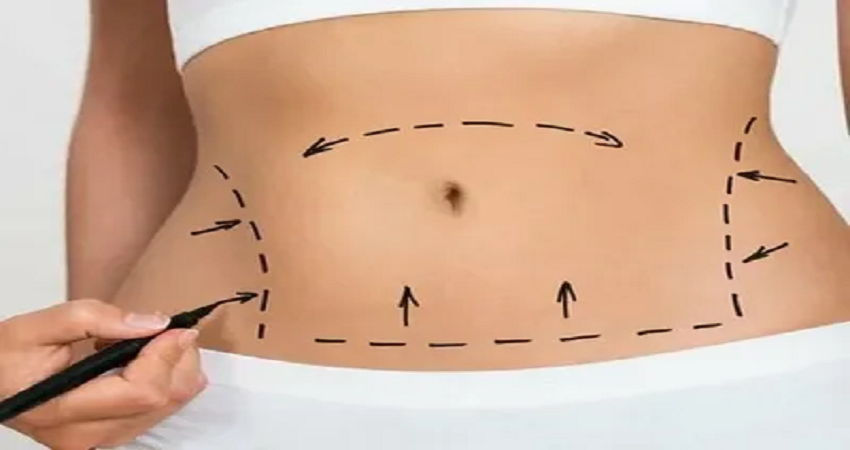
Patients often arrive at consultations asking which technique is "best" — and the honest answer is that there is no single best method. Each approach has distinct characteristics, and the right choice depends on your tissue, treatment area, volume, and the surgeon's training. For anyone researching liposuction in Dubai, understanding how the main techniques differ helps you participate more meaningfully in treatment planning. This article compares the principal approaches and explains where each tends to be favoured.
Liposuction in Dubai: The Tumescent Technique
Tumescent technique is the foundation on which most modern approaches are built. A solution of saline, local anesthetic, and a vasoconstrictor is infiltrated into the treatment area before fat removal.
Key characteristics:
-
Reduces bleeding and bruising through vasoconstriction
-
Provides additional local anesthesia, reducing systemic anesthetic requirements
-
Makes fat tissue firmer and easier to aspirate evenly
-
Allows many procedures to be performed with sedation rather than general anesthesia
Most other techniques incorporate tumescent infiltration as a preliminary step rather than replacing it.
Liposuction in Dubai: Ultrasound-Assisted Approaches
Ultrasound-assisted technique uses ultrasonic energy delivered through a specialised cannula to emulsify fat before removal.
Where it tends to be favoured:
-
Fibrous areas such as the back, flanks, and male chest
-
Previously treated areas where scar tissue is present
-
Regions where fat is dense and resistant to standard aspiration
Potential considerations include longer operating times and a learning curve for the surgeon. Thermal injury to surrounding tissue is a theoretical concern that careful technique and fluid management help mitigate.
Liposuction in Dubai: Laser-Assisted Approaches
Laser-assisted technique applies laser energy via a thin fibre to liquefy fat and, in some protocols, to stimulate collagen. It is often marketed with an emphasis on skin tightening.
Points to understand:
-
Fat removal volumes may be smaller than with other techniques
-
Skin tightening effects are modest and variable rather than dramatic
-
Results depend heavily on operator experience and appropriate patient selection
-
It is generally not suitable for large-volume removal
Patients should be cautious of claims suggesting laser-assisted methods replace the need for skin excision in cases of significant laxity.
Power-Assisted and Other Variations
Power-assisted technique uses a mechanised cannula that moves rapidly back and forth, reducing the physical effort required by the surgeon. It is often used for larger volume cases where efficiency and consistency of movement matter.
Other variations exist, including water-assisted and radiofrequency-assisted systems. Each has its own equipment requirements, cost implications, and specific indications.
Liposuction in Dubai: How the Technique Is Chosen
Technique selection is a clinical decision, not a patient preference exercise. Factors that guide it include:
-
Tissue characteristics of the target area
-
Volume of fat to be removed
-
Presence of previous surgery or scar tissue
-
Skin quality and elasticity
-
Surgeon's training and case experience
-
Available facility equipment
A clinician should be able to explain why a particular approach suits your anatomy. If a clinic offers only one technique regardless of the patient, that is worth questioning.
In our clinical experience, consistent outcomes come from matching technique to tissue rather than applying a uniform method to every case.
What Technique Does Not Change
Regardless of which approach is used, certain fundamentals remain constant:
-
Patient selection determines safety more than technique
-
Skin elasticity influences final smoothness
-
Aftercare compliance affects healing
-
Surgeon skill affects symmetry and contour
-
Compression garments are required
Patients sometimes assume a particular technique guarantees a better result. In practice, execution matters as much as the method.
Questions to Ask About Technique
Before agreeing to a plan, consider asking:
-
Which technique do you recommend for my areas, and why?
-
How many procedures of this type have you performed?
-
What are the trade-offs compared with other approaches?
-
Does the technique affect my recovery time or risk profile?
-
Is the recommended equipment available in the facility you use?
At Tajmeels Clinic in Dubai, technique recommendations are made after physical assessment and are explained in relation to the patient's specific anatomy and goals.
Conclusion
Each technique offers distinct advantages and limitations, and none is universally superior. The appropriate choice depends on your tissue characteristics, treatment areas, and the surgeon's expertise. Rather than pursuing a specific method by name, focus on whether the reasoning behind the recommendation is clear and specific to you. A consultation at Tajmeels Clinic in Dubai can help clarify which approach aligns with your individual case. Techniques and outcomes vary between patients.
Ready for a Change? Book Your Consultation Today
WhatsApp: +971 56 203 8751
Phone: +971 4 373 9000
Social Media:
