

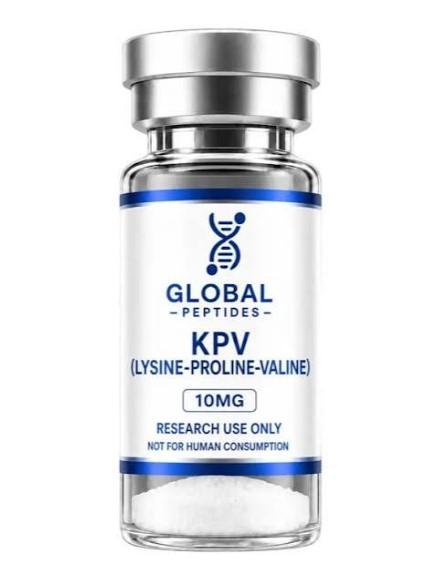
GLOBAL PEPTIDES: BPC-157 Where to Buy in Australia A Practical Research Guide

Learn about BPC-157 where to buy in Australia through a research-focused guide covering product information, documentation, supplier transparency, and Australian regulations.
The search for BPC-157 where to buy in Australia can lead to a wide range of online listings, research-related websites, and peptide suppliers. However, the presence of a product on a website does not establish that it has been assessed or approved for therapeutic use in Australia. Researchers should therefore distinguish between commercial availability, scientific research interest, and regulatory status.
GLOBAL PEPTIDES approaches peptide information from a research-focused perspective. When examining BPC-157-related materials, it can be useful to consider product identity, available specifications, documentation, supplier transparency, and the intended research context. These factors provide a more structured way to understand a product without confusing research information with evidence of therapeutic approval.
What Is BPC-157?
BPC-157 is a synthetic peptide that has attracted interest in experimental and scientific research. Its presence in research literature does not mean that every product marketed under the BPC-157 name has the same characteristics, manufacturing standards, or level of documentation.
Researchers reviewing BPC-157 can separate scientific literature from commercial product claims. Information published in research studies may describe experimental findings, while supplier pages generally describe a particular commercial material. These two sources serve different purposes and should not automatically be treated as equivalent evidence.
Evaluating BPC-157 Product Information
When considering BPC-157 where to buy in Australia, product information is an important part of responsible research evaluation. Researchers may examine the stated compound identity, product specifications, batch information, analytical documentation, packaging details, and other technical information supplied by a vendor.
A certificate or laboratory report can provide useful information about what a supplier claims regarding a specific batch, but it does not by itself demonstrate Australian regulatory approval. Product documentation and regulatory assessment are separate matters, so researchers should consider both when reviewing peptide-related information.
Why Supplier Transparency Matters
Supplier transparency can make it easier to understand what information is being presented about a research material. Clear descriptions, identifiable product information, technical documentation, and accessible business details may provide useful context when reviewing a supplier.
Promotional language should be considered carefully. Terms such as “premium,” “pure,” or “advanced” are not substitutes for independent regulatory assessment. A research-focused review can instead concentrate on verifiable product information and distinguish supplier statements from findings supported by scientific or regulatory sources.
Australian Regulatory Status of BPC-157
Australian regulatory requirements are particularly important when researching BPC-157 where to buy in Australia. The TGA states that BPC-157 is among the peptide products that may be supplied as unapproved therapeutic goods. Unapproved therapeutic goods have not been assessed by the TGA for safety, quality, or effectiveness.
The TGA explains that therapeutic peptide products generally need to be included in the Australian Register of Therapeutic Goods before they can be imported, manufactured, supplied, exported, or advertised, unless a specific exemption, approval, or authority applies. The particular regulatory status depends on the product and circumstances surrounding its use and supply.
Risks of Buying BPC-157 Online
The TGA has warned that buying unapproved peptide products online can involve significant risks. Products may contain incorrect ingredients, undisclosed substances, inaccurate quantities, or contaminants, and injectable products may not be sterile.
These concerns are particularly relevant when products are purchased through overseas websites, online marketplaces, or social media. The TGA also reports that poorly labelled or unmarked peptide vials may be intercepted at the Australian border, creating both safety and importation concerns.
Documentation for Research Evaluation
Documentation can help researchers build a clearer picture of a peptide material. Depending on the supplier, useful information may include compound identification, stated specifications, batch references, analytical testing, storage information, and manufacturing-related details.
However, documentation should always be interpreted within its limitations. A supplier-issued certificate does not mean that the TGA has independently reviewed the material. Researchers should therefore avoid treating a laboratory document as proof of regulatory approval, clinical safety, or therapeutic effectiveness.
Research Use and Australian Requirements
Some peptide websites describe products using terms such as “research use only” or “not for human use.” Such wording does not automatically determine the legal status of a product in Australia. The TGA states that a research-use disclaimer by itself does not make the supply of an otherwise regulated product lawful.
The regulatory position can depend on factors such as the product's composition, presentation, promotion, and intended purpose. Businesses and researchers should therefore assess the complete circumstances rather than relying solely on a disclaimer appearing on a product page.
Reviewing Online Peptide Suppliers
For anyone researching BPC-157 where to buy in Australia, supplier evaluation should focus on transparency rather than promotional claims. Researchers can review whether the supplier provides identifiable product information, relevant documentation, business details, and clear statements about the intended research context.
It is also important to distinguish between an Australian-looking website and a supplier that actually operates within the Australian regulatory framework. The TGA warns that some websites may appear Australian while being located overseas, and recommends checking applicable regulatory information when purchasing health products online.
GLOBAL PEPTIDES and Research-Focused Information
GLOBAL PEPTIDES provides peptide-related information with an emphasis on research context, product documentation, and responsible interpretation. The purpose of this approach is to help readers understand the information surrounding peptide materials without presenting experimental products as established medical treatments.
When reviewing BPC-157-related information, researchers can consider supplier documentation alongside scientific publications and official Australian regulatory resources. This broader approach helps separate commercial descriptions from independent scientific evidence and regulatory information.
Responsible Research Around BPC-157
A responsible approach to BPC-157 where to buy in Australia starts with understanding the purpose of the research and the regulatory framework applicable to the particular product. Product identity, documentation, supplier transparency, scientific evidence, and regulatory status can all be relevant when evaluating information.
The TGA has made unapproved peptide products a compliance priority and states that unlawful importation, supply, manufacture, export, and advertising can lead to regulatory action. Researchers and businesses should therefore review current Australian requirements before dealing with peptide products.
Conclusion
The search for BPC-157 where to buy in Australia requires more than simply comparing online listings. BPC-157 is identified by the TGA among peptide products that may be unapproved, and unapproved products have not been assessed by the TGA for safety, quality, or effectiveness.
GLOBAL PEPTIDES takes a research-focused approach by emphasizing product information, documentation, scientific context, and regulatory awareness. Anyone researching BPC-157 in Australia should consider the current TGA requirements applicable to the particular product and activity and seek appropriate professional or regulatory guidance where necessary.
