


Some patients want hair restoration without making the procedure a major part of their personal or professional life. DHI Direct Hair Implant in Dubai can be planned with attention to treatment visibility, recipient-site selection, donor management, and the patient's preferred timeline.
Discretion does not mean compromising clinical planning. It means considering how the treatment fits into the patient's daily routine, social commitments, hairstyle, and expectations.
What Makes Hair Restoration Discreet
A discreet treatment plan considers more than the final growth of transplanted follicles.
The timing of the procedure, extent of treatment, postoperative instructions, and visibility of the donor and recipient areas can all influence how easily the process fits into everyday life.
Individual Treatment Scope Matters
Not every patient requires the same number of grafts or the same treatment area.
A focused procedure may involve fewer recipient zones than a larger restoration plan, depending on the pattern and extent of hair loss.
Existing Hair Can Provide Context
The surrounding hair influences how changes in the scalp are perceived.
The clinician can assess the existing distribution before deciding where additional follicles may provide meaningful coverage.
DHI Direct Hair Implant in Dubai for Private Treatment Planning
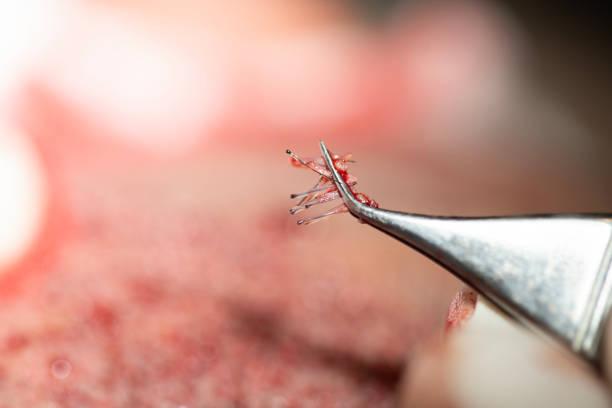
DHI involves extraction of follicular units followed by implantation into selected recipient sites.
The technique can be incorporated into an individualized plan based on donor characteristics, recipient requirements, and the desired distribution of new follicles.
Planning Around Personal Commitments
Patients may have work obligations, travel plans, weddings, meetings, or other events.
These factors can be discussed during consultation so that the treatment schedule and expected recovery period are realistic.
Understanding Temporary Changes
Even when the final result is intended to look natural, the scalp can temporarily show signs of treatment.
Redness, small crusts, or localized changes may occur during healing. Their duration varies between individuals.
Managing the Donor Area With Discretion in Mind
The donor area is where the follicles are obtained.
Its appearance after extraction depends on the number of grafts removed, their distribution, individual healing, and the characteristics of the surrounding hair.
Avoiding Concentrated Extraction
Removing follicles from a narrowly concentrated region can make changes more visible.
Appropriate extraction distribution is therefore an important part of planning.
Considering Future Grooming
The patient’s normal hairstyle should be discussed before treatment.
Someone who regularly changes their haircut may have different donor-area considerations from someone who maintains a consistent style.
Patient Concerns About Discreet Hair Restoration
“Will people immediately know I had a transplant?”
There is no universal answer.
Temporary postoperative changes can be visible, and their appearance depends on the treatment extent, healing response, hair characteristics, and individual recovery.
“Can the treatment be planned around an important event?”
Timing can be discussed during consultation.
The clinician can explain expected healing milestones so the patient can make realistic scheduling decisions.
“Does discreet treatment mean fewer grafts?”
Not necessarily.
The graft requirement is determined by the treatment area, density goals, donor availability, and overall plan rather than by the desire for privacy alone.
DHI Direct Hair Implant in Dubai Treatment Roadmap
- Discuss lifestyle requirements
Work, travel, social commitments, and hairstyle preferences are reviewed. - Assess current hair distribution
Existing density and areas of concern are examined. - Evaluate the donor region
Follicular availability and donor characteristics are documented. - Estimate treatment visibility
The clinician explains expected temporary scalp changes. - Create the recipient plan
Graft distribution is designed around the patient's specific areas of concern. - Perform extraction and implantation
Suitable follicular units are extracted and placed into planned recipient sites. - Follow individualized aftercare
Instructions are provided for washing, activity, scalp care, and other recovery considerations.
Travel Planning After DHI
Dubai is a major international travel hub, so some patients may combine treatment with a short stay.
Travel timing should be discussed with the treating clinician because early postoperative care, scalp protection, and follow-up requirements vary according to the procedure and individual recovery.
Long flights may also require practical planning around medication instructions, hydration, movement, and access to postoperative support.
When Privacy Is Part of the Consultation
Patients do not need to minimize concerns about visibility or scheduling.
Discussing privacy preferences allows the clinical team to understand what the patient considers important and incorporate realistic expectations into the treatment plan.
Hair Restoration That Fits the Patient's Routine
Discreet hair restoration is ultimately about integrating treatment into real life while maintaining appropriate medical planning.
For patients considering DHI Direct Hair Implant in Dubai, an individualized consultation at Tajmeels Clinic can help establish treatment scope, expected healing, and long-term hair restoration considerations.
