

How to Choose the Best Pillowcases for Comfort, Style, and Everyday Use

A pillowcase is more than a simple cover for your pillow. It is one of the bedding items that comes into direct contact with your face and hair throughout the night, while also contributing to the overall appearance of your bedroom. Choosing the right pillowcase can make everyday bedding feel more comfortable, practical, and visually appealing.
With options ranging from cotton and linen to blended fabrics, different sizes, closures, colors, and textures, finding the right option can sometimes feel confusing. The key is to focus on the qualities that matter most for your sleeping habits and daily routine.
Whether you are refreshing your bedroom, preparing a guest room, or replacing worn-out bedding, understanding what to look for can help you choose pillowcases that offer comfort, durability, and good value.
Why Choosing the Right Pillowcase Matters
The right pillowcase can influence both the feel and functionality of your bedding. A comfortable fabric creates a pleasant sleeping surface, while a breathable material can make bedding feel more comfortable in different seasons.
Pillowcases also play an important role in keeping pillows clean. They act as a washable barrier between the pillow and everyday dust, oils, and perspiration. Regularly washing your pillowcases is therefore an important part of maintaining fresh bedding.
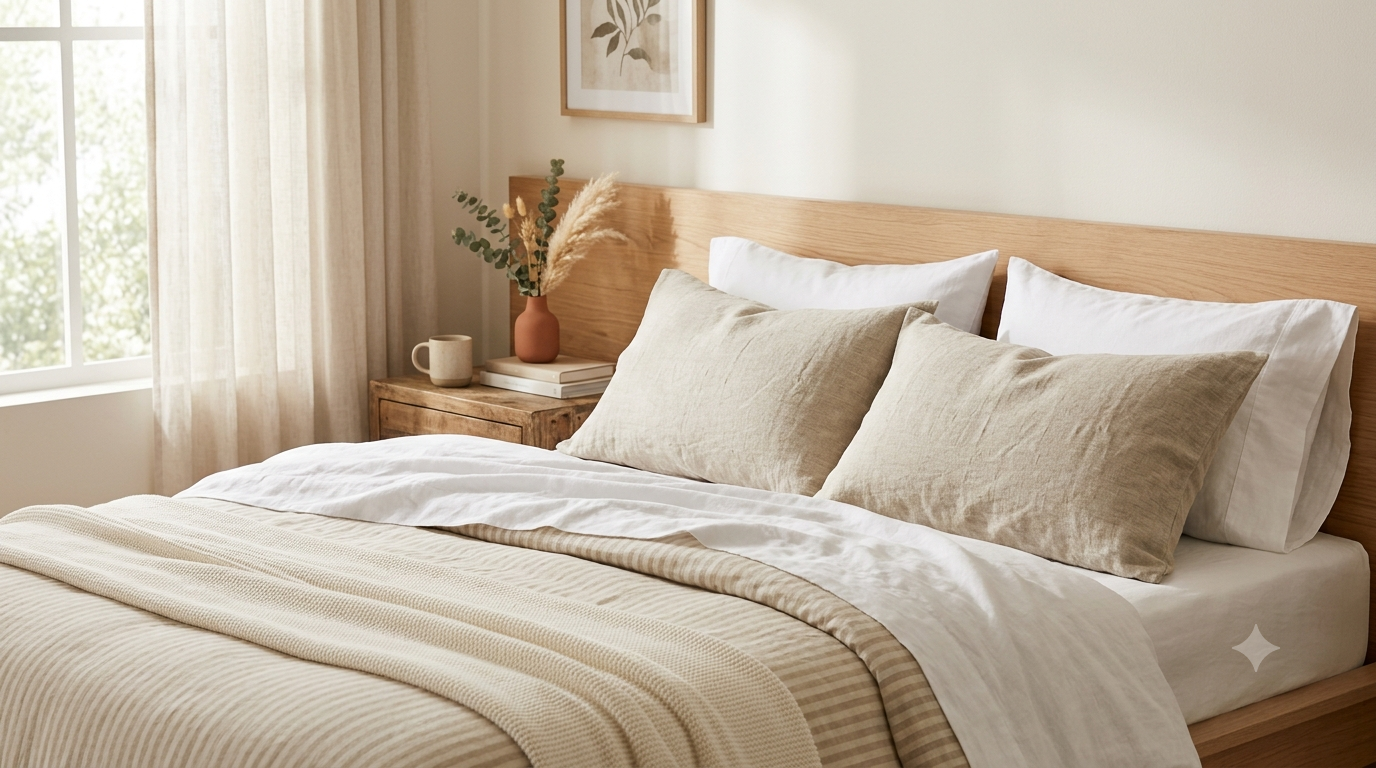
Beyond practicality, pillowcases can change the look of a bedroom. Coordinated colors and textures can make a bed appear more organized, while neutral shades and natural fabrics can create a relaxed, timeless appearance.
Consider the Fabric and Material
Fabric is one of the most important factors when choosing a pillowcase. Different materials have different textures, levels of breathability, and care requirements.
Cotton Pillowcases
Cotton is a popular choice because it is versatile, comfortable, and suitable for everyday bedding. Depending on the weave and finish, cotton pillowcases can range from crisp and smooth to soft and textured.
Cotton is also relatively easy to care for, making it a practical choice for pillowcases that need frequent washing. For everyday use, look for fabric that feels comfortable against the skin and is appropriately durable for regular laundering.
Linen Pillowcases
Linen is valued for its natural texture and breathable character. Linen pillowcases often have a relaxed appearance that works particularly well in casual, contemporary, rustic, or minimalist bedrooms.
One of the distinctive characteristics of linen is its texture. Rather than feeling perfectly smooth, quality linen typically has a natural, slightly textured surface. With regular washing and use, linen can develop an even softer and more relaxed feel.
Cotton-Linen Blends
Cotton-linen blends combine characteristics of both fabrics. They can provide a balance between the familiar softness of cotton and the natural texture associated with linen.
When choosing between fabrics, consider what you value most: softness, texture, breathability, maintenance, appearance, or long-term everyday practicality.
What Makes Good Pillow Cases?
There is no single definition of good pillow cases because individual preferences differ. However, several characteristics are worth considering before making a purchase.
Softness: The fabric should feel comfortable against your skin. A very rough or stiff surface may not be appealing for everyday sleeping.
Breathability: Fabrics that allow air to circulate can be useful for people who prefer bedding with a lighter, more breathable feel.
Durability: Pillowcases are washed frequently, so the fabric should be capable of handling regular laundering without quickly losing its shape or appearance.
Proper fit: Even a high-quality pillowcase can look untidy if it is too small or excessively loose. Correct sizing helps create a cleaner finish.
Easy maintenance: Practical bedding should fit into your normal laundry routine. Check the care instructions before purchasing, particularly when choosing specialty fabrics.
Ultimately, the best pillowcase is one that balances comfort, practicality, appearance, and longevity.
Choosing the Right Pillowcase Covers
When comparing pillowcase covers, start with the size of your pillow. Common pillow dimensions vary by region and bedding manufacturer, so measuring your existing pillow before purchasing can help prevent an incorrect fit.
The closure style is another detail worth considering. Standard open-ended pillowcases are simple to put on and remove, while envelope-style designs have an overlapping fabric section that helps keep the pillow inside the cover.
Some people prefer a more structured appearance, while others prioritize convenience. Neither option is universally better; the choice depends on your personal preference and how frequently you change your bedding.
It is also worth thinking about the role of pillow cases covers in your bedroom design. A simple neutral cover can complement patterned bedding, while coordinated colors can create a more unified look.
Why Consider Linen Pillowcases?
Linen pillowcases are a popular option for people who appreciate natural fabrics and relaxed bedding aesthetics.
Linen has a naturally breathable structure and a distinctive texture that gives bedding an understated, casual character. It can work particularly well in warm-weather bedrooms or spaces where a lighter, natural look is preferred.
Another appealing feature is its relaxed appearance. Linen does not need to look perfectly pressed to appear attractive. Slight natural creasing can contribute to its casual character rather than making the bedding look untidy.
Linen does require appropriate care. Always follow the manufacturer's washing instructions, and avoid unnecessarily harsh washing practices. With suitable care, linen bedding can remain a useful part of an everyday bedroom collection.
For readers interested in natural-fabric bedding, All Cotton and Linen is one example of a brand that focuses on cotton, linen, and related home-textile products designed for everyday use.
Should You Buy a Pillowcase Set?
Buying a pillowcase set can be more convenient than purchasing individual covers, particularly when you want your bedding to look coordinated.
A matching pillowcase set can create consistency across a bed, especially when several pillows are used for sleeping and decoration. Sets can also be useful for guest rooms because keeping matching pieces together makes it easier to prepare the bed.
Before buying a set, check exactly what is included. Some sets contain two pillowcases, while others may have different quantities depending on the product and size. Confirming the dimensions is equally important.
A coordinated set can also make it easier to rotate clean bedding. Having multiple pillowcases available means you can change them regularly without immediately needing to wash the used ones.
How to Choose Pillowcases for Everyday Use
When selecting everyday pillowcases, consider the following checklist:
- Material: Choose cotton, linen, or a blend based on your preferred texture, breathability, and maintenance requirements.
- Size: Measure your pillow and compare it with the listed pillowcase dimensions.
- Fabric quality: Look beyond thread count alone and consider the overall feel, weave, construction, and durability.
- Comfort: Choose a texture that feels pleasant against your skin.
- Maintenance: Check washing and drying instructions to ensure they fit your normal laundry routine.
- Style: Consider whether the color and texture complement your existing bedding.
- Budget: Look for a balance between price, expected durability, comfort, and how frequently the pillowcases will be used.
Instead of choosing based solely on appearance, think about how the pillowcases will perform over weeks and months of regular use.
Caring for Your Pillowcases
Proper care can help maintain the appearance and usability of pillowcases.
Always check the care label before washing. Use the recommended water temperature and detergent, and avoid unnecessarily aggressive washing that could affect the fabric over time.
Do not overcrowd the washing machine. Giving bedding enough room to move during the wash can help it clean more effectively and reduce excessive creasing.
Dry pillowcases according to their care instructions. If a fabric is prone to shrinking or requires gentler treatment, follow the manufacturer's recommended drying method.
It is also helpful to store clean pillowcases in a dry, well-ventilated space. Keeping matching pillowcases together can make changing bedding faster and help prevent individual pieces from getting misplaced.
For natural fabrics such as linen, some creasing is normal and can be part of the fabric's characteristic appearance. Regular, appropriate care is generally more important than trying to maintain a perfectly pressed finish.
Final Thoughts
Choosing the best pillowcase comes down to finding the right balance between comfort, fabric quality, fit, appearance, maintenance, and price. Cotton can be a versatile everyday option, while linen offers a distinctive natural texture and breathable feel. Blended fabrics can provide another practical choice for people who want characteristics from more than one material.
Pay attention to sizing, closure style, washing requirements, and overall construction rather than choosing based on appearance alone. A well-chosen pillowcase should fit your pillow properly, feel comfortable, complement your bedding, and stand up to regular use.
For those exploring natural-fabric bedding, All Cotton and Linen provides another place to discover cotton and linen products for bedrooms and everyday home use. Ultimately, the best choice is the one that suits your personal comfort preferences, bedroom style, and daily routine.
