

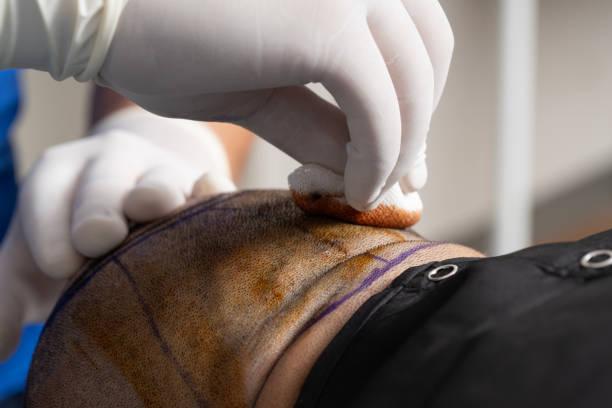

Yes, most patients can eventually shave their transplanted sideburns, but timing matters. After Sideburn Hair Transplant in Dubai, the newly placed grafts need an early healing period before the area should be exposed to normal shaving pressure, razor contact, or aggressive trimming.
The safest grooming schedule depends on how the recipient skin has healed and the technique used. Your treating clinician should confirm when shaving is appropriate rather than relying on a fixed day that applies to everyone.
Why Shaving Too Early Can Be a Problem
Freshly transplanted grafts are vulnerable during the initial healing period.
A razor passing directly over the recipient area can create friction and mechanical irritation. Scratching, pressing, or repeatedly dragging a blade across healing skin may interfere with the recovery process.
The issue is not that shaving permanently damages every graft. The concern is unnecessary trauma while the grafts and surrounding skin are still healing.
The Difference Between Cutting Hair and Disturbing a Graft
A mature hair shaft can be safely cut because the visible shaft is not the living follicle itself.
The concern immediately after transplantation is the interaction between grooming tools and the healing recipient sites.
Once the skin has healed and the clinician confirms that grooming can resume, trimming or shaving becomes much less concerning.
When Can You Shave After Sideburn Hair Transplant?
There is no universal shaving date.
The appropriate timing depends on:
- Graft placement
- Healing speed
- Skin sensitivity
- Crusting
- Redness
- Technique used
- Individual recovery
- Clinician instructions
During the earliest stage, patients are generally advised to avoid directly manipulating the transplanted area.
As healing progresses, grooming can be reintroduced gradually.
Razor Versus Electric Trimmer After Transplant
The type of grooming tool can matter during the transition back to normal styling.
A traditional razor requires direct contact with the skin and can create more friction than a guarded electric trimmer.
For that reason, clinicians may recommend a cautious return to trimming before using a close razor shave.
However, the exact approach should be based on the condition of the skin rather than simply choosing one device universally.
Why Guarded Trimming May Be Easier Initially
A guarded trimmer can reduce direct blade-to-skin contact.
This may be useful when the patient wants to shorten surrounding facial hair without creating unnecessary friction over recently treated skin.
The goal is not to rush back to the closest possible shave. The goal is to maintain grooming while allowing the recipient area to recover.
How to Approach the First Shave
Once your clinician confirms that shaving is safe, start gently.
Avoid pressing the razor firmly into the skin. Do not repeatedly pass over the same area, and stop if the skin becomes irritated.
Use a clean grooming tool and avoid shaving over areas that are still visibly crusted, inflamed, or unusually tender.
If the skin reacts strongly, pause and contact the treating clinic for guidance.
Can You Shape the Sideburn Line After Transplant?
Eventually, yes.
But the sideburn border should not be aggressively reshaped during early healing.
The transplanted follicles have been placed according to a planned design that considers facial proportions, hair direction, density, and the relationship between the sideburn and surrounding facial hair.
Prematurely changing the border can make it harder to evaluate the developing result.
Why the Design Should Be Preserved Early
A sideburn transplant is a precision procedure.
Each graft may be positioned according to a specific angle and direction. The outer border can contain finer grafts to create a natural transition.
During recovery, maintaining the planned area helps protect the work performed during transplantation.
Shaving and Hair Growth After Transplantation
Shaving does not make transplanted hair grow thicker.
This is an important misconception.
Cutting the visible hair shaft does not change the biological characteristics of the follicle underneath the skin.
The apparent thickness after shaving can sometimes make stubble look darker or more uniform, but the follicle itself has not become thicker because it was shaved.
What Happens During the Shedding Stage
Transplanted hair may shed during the early months after transplantation.
This can make patients think they have lost the result.
However, the visible shaft and the follicle are different structures. Temporary shedding can occur while the follicle remains beneath the skin and later produces new hair.
Shaving or trimming during the appropriate stage does not prevent the natural growth cycle.
Can You Use Beard Trimmers on Transplanted Sideburns?
Once the recipient area has healed and the clinician has approved grooming, beard trimmers can generally be used.
The settings can be adjusted according to the desired sideburn length.
Patients who prefer fades should be particularly careful around the transition between transplanted and natural hair, especially while the new follicles are still maturing.
Sideburn Styling With a Fade
Short fades can make the sideburn area highly visible.
A transplant should therefore be planned with the patient's preferred hairstyle in mind.
If the patient regularly wears a skin fade, the surgeon may need to consider how the lower edge of the sideburn will appear at very short lengths.
The restored hair should blend with the surrounding pattern rather than creating a visible artificial block.
Matching Sideburn Density to Your Hairstyle
Someone who wears long sideburns may tolerate a different density from someone who keeps the area extremely short.
Hair direction also becomes particularly important with close grooming because irregularly angled grafts can become more noticeable.
Dubai-Specific Grooming Considerations
Dubai residents often move between outdoor heat and heavily air-conditioned indoor environments.
During early recovery, these environmental changes can contribute to skin discomfort or dryness.
Sun exposure also deserves attention because freshly healing skin can be more sensitive.
If you have work meetings, travel, weddings, social events, or other occasions where your appearance matters, schedule the procedure with enough recovery time rather than planning an immediate return to close shaving.
Clinic note: The safest time to resume shaving is determined by the condition of your recipient skin. Do not use a calendar date as a substitute for clinical assessment.
Grooming Mistakes to Avoid
During the early recovery period, avoid:
- Picking crusts
- Scratching the recipient area
- Pressing grooming tools against fresh grafts
- Repeatedly rubbing the sideburn
- Using harsh skincare products without approval
- Attempting aggressive line correction
- Shaving simply because the area looks cosmetically healed
Surface appearance does not always tell you whether the deeper healing process is complete.
When to Contact Your Clinic Before Shaving
If the sideburn remains significantly red, painful, swollen, crusted, or unusually sensitive, ask your clinic before resuming shaving.
Similarly, if you accidentally nick or irritate the transplanted area, follow the postoperative instructions provided by your treatment team.
Professional guidance is particularly important if symptoms are worsening rather than improving.
Frequently Asked Questions
Can I Shave My Sideburns After a Hair Transplant?
Yes, shaving can usually resume after the transplanted area has sufficiently healed and your clinician gives you clearance.
Is an Electric Trimmer Safer Than a Razor?
A guarded electric trimmer may create less direct skin friction than a close razor, but the appropriate choice depends on your stage of healing.
Does Shaving Make Transplanted Hair Thicker?
No. Shaving cuts the hair shaft and does not change the follicle's biological thickness.
Can I Get a Fade After Sideburn Transplantation?
A fade can generally be resumed after healing, but the timing should be confirmed with your clinician. The transplant design should also account for your preferred fade style.
What If My Sideburns Are Still Red?
Avoid aggressive grooming and contact your treating clinic for advice, particularly if redness is increasing or accompanied by pain, swelling, discharge, or other concerning symptoms.
Return to Grooming Without Rushing the Result
Sideburn transplantation is designed to restore facial-hair growth, but the early healing period requires patience. Once the grafts have settled and the skin has recovered, normal shaving, trimming, and styling can become part of your routine again.
If you are considering Sideburn Hair Transplant in Dubai, discuss your preferred grooming style during the consultation so the design can be created around the way you actually wear your hair.
