

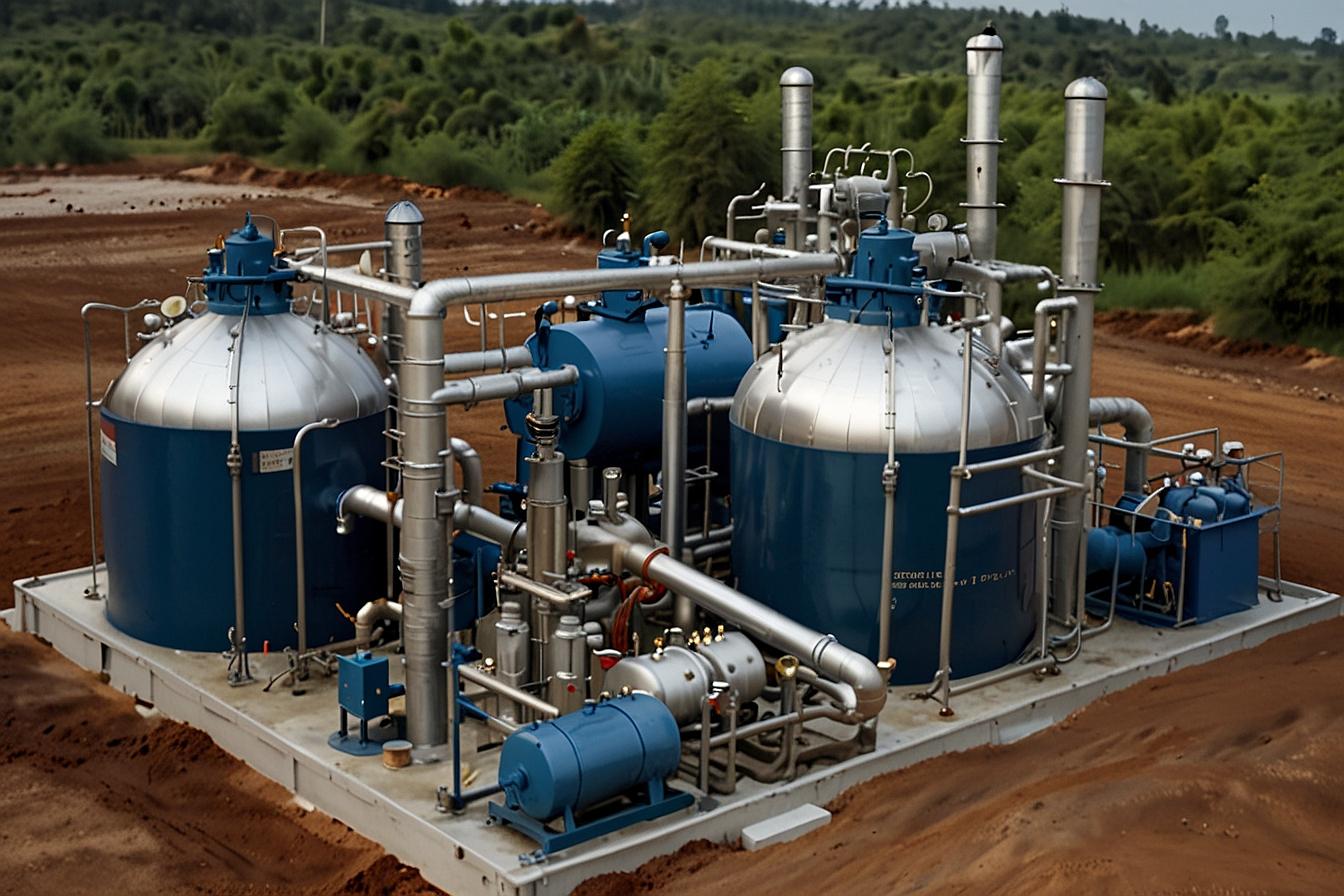

Transformer oil, also known as insulating oil, is a highly refined mineral oil used in transformers to insulate, suppress corona and arcing, and cool the system. It plays a critical role in maintaining transformer efficiency by providing electrical insulation and dissipating heat generated during operation, thereby extending the life of the transformer.
Setting up a transformer oil manufacturing plant involves sourcing high-quality base oils, installing refining and filtration equipment, and ensuring quality control systems. Key factors include adherence to industry standards, environmental compliance, and efficient packaging systems. Investment in modern technology and testing labs enhances production efficiency and market competitiveness.
IMARC Group’s report, titled “Transformer Oil Manufacturing Plant Setup Cost 2026: Industry Trends, Plant Setup, Machinery, Raw Materials, Investment Opportunities, Cost and Revenue,” provides a complete roadmap for setting up a transformer oil manufacturing plant. It covers a comprehensive market overview to micro-level information such as unit operations involved, raw material requirements, utility requirements, infrastructure requirements, machinery and technology requirements, manpower requirements, packaging requirements, transportation requirements, etc.
What is Transformer Oil?
A transformer oil manufacturing plant produces highly refined insulating oil designed to provide effective cooling and electrical insulation in transformers. The oil is generally derived from mineral base oils and processed through refining techniques such as distillation, hydrogenation, filtration, and degassing to eliminate moisture, gases, sulfur compounds, and other impurities. The finished product is formulated to deliver high dielectric strength, strong oxidation stability, and reliable thermal performance. It is widely used in power transformers, circuit breakers, and switchgear to support efficient electricity transmission, prevent overheating, and extend equipment service life.
Market Trends and Drivers:
Setting up a transformer oil manufacturing plant requires essential infrastructure, including raw material storage tanks, refining and distillation units, filtration and degassing systems, additive blending facilities, and quality control laboratories. Compliance with relevant IEC and IS standards is crucial to ensure consistent product quality and performance. Market growth is being supported by rising electricity consumption, expanding power generation and transmission infrastructure, and increasing investments in renewable energy projects. Moreover, growing demand for high-performance and environmentally friendly insulating oils is creating new opportunities for manufacturers and strengthening the commercial potential of the industry.
Request for a Sample Report: https://www.imarcgroup.com/transformer-oil-manufacturing-plant-project-report/requestsample
Key Insights for Transformer Oil Manufacturing Plant Setup
Detailed Process Flow
- Product Overview
- Unit Operations Involved
- Mass Balance and Raw Material Requirements
- Quality Assurance Criteria
- Technical Tests
Project Details, Requirements and Costs Involved:
- Land, Location and Site Development
- Plant Layout
- Machinery Requirements and Costs
- Raw Material Requirements and Costs
- Packaging Requirements and Costs
- Transportation Requirements and Costs
- Utility Requirements and Costs
- Human Resource Requirements and Costs
Capital Expenditure (CapEx) and Operational Expenditure (OpEx) Analysis:
Project Economics:
- Capital Investments
- Operating Costs
- Expenditure Projections
- Revenue Projections
- Taxation and Depreciation
- Profit Projections
- Financial Analysis
Profitability Analysis:
- Total Income
- Total Expenditure
- Gross Profit
- Gross Margin
- Net Profit
- Net Margin
Key Cost Components of Setting Up a Transformer Oil Plant
- Machinery & Equipment: Includes oil refining, filtration, degassing systems, storage tanks, and lab instruments.
- Land & Infrastructure: Cost of land, construction of factory buildings, utilities, and layout setup.
- Raw Materials: Procurement of base oils, chemical additives, and packaging materials.
- Labor & Staffing: Hiring skilled technicians, engineers, and administrative personnel.
- Licensing & Regulatory Compliance: Expenses for environmental permits, safety certifications, and industry standards.
- Quality Control & Testing Lab: Setting up in-house labs for oil analysis and product quality assurance.
- Marketing & Distribution: Branding, logistics, and distribution network development.
Speak to an Analyst for Customized Report:
https://www.imarcgroup.com/request?type=report&id=15603&flag=C
Economic Trends Influencing Transformer Oil Plant Setup Costs 2025
- Raw Material Price Volatility: Fluctuating global crude oil prices impact the cost of base oils and additives.
- Inflation & Interest Rates: Rising inflation and borrowing costs increase capital expenditure and financing burdens.
- Global Supply Chain Disruptions: Delays and higher shipping costs for machinery and raw materials affect setup timelines and budgets.
- Technological Advancements: Demand for modern, eco-friendly equipment and testing labs raises initial investment needs.
- Regulatory Pressure: Compliance with stricter environmental and safety norms adds to operational and setup costs.
- Energy Costs: Increasing electricity and fuel rates directly influence plant operational expenses.
- Currency Exchange Fluctuations: Affects import costs of machinery, especially in countries relying on foreign equipment.
Challenges and Considerations for Investors
- High Initial Capital Investment: Significant funds are needed for machinery, infrastructure, and regulatory compliance.
- Regulatory Compliance: Adhering to stringent environmental, safety, and quality standards requires ongoing investment and monitoring.
- Market Competition: Competing with established players and low-cost imports can impact pricing and profitability.
- Raw Material Dependency: Volatile prices and reliance on crude oil derivatives affect production stability and margins.
- Technology Upgradation: Staying competitive requires investment in advanced refining and eco-friendly oil technologies.
- Supply Chain Risks: Delays in importing equipment or raw materials may hinder setup and production.
- Evolving Customer Demand: Growing preference for bio-based and high-performance oils demands product innovation and flexibility.
Conclusion
Setting up a transformer oil manufacturing plant offers strong growth potential, driven by rising energy demands and infrastructure upgrades. With the right technology, quality control, and market strategy, investors can achieve sustainable profitability while meeting global standards and eco-friendly trends.
About Us:
IMARC Group is a global management consulting firm that helps the world’s most ambitious changemakers to create a lasting impact. The company excel in understanding its client’s business priorities and delivering tailored solutions that drive meaningful outcomes. We provide a comprehensive suite of market entry and expansion services. Our offerings include thorough market assessment, feasibility studies, company incorporation assistance, factory setup support, regulatory approvals and licensing navigation, branding, marketing and sales strategies, competitive landscape, and benchmarking analyses, pricing and cost research, and procurement research.
Contact Us:
IMARC Group
134 N 4th St. Brooklyn, NY 11249, USA
Email: [email protected]
Tel No:(D) +91 120 433 0800
United States: (+1-201971-6302)
