

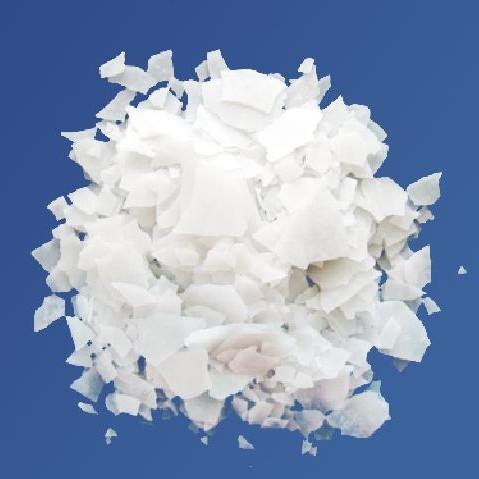
Calcium Chlorate Manufacturing Plant 2026: Project Details, Machinery Requirements and Cost Analysis

IMARC Group's "Calcium Chlorate Manufacturing Plant Project Report 2026: Industry Trends, Plant Setup, Machinery, Raw Materials, Investment Opportunities, Cost and Revenue" report provides a comprehensive guide on how to successfully set up a calcium chlorate plant. The report offers clarifications on various aspects, such as unit operations, raw material requirements, utility supply, infrastructural needs, machinery models, labour necessities, transportation timelines, packaging costs, etc.
In addition to the operational aspects, the report also provides in-depth insights into calcium chlorate manufacturing process, project economics, encompassing vital aspects such as capital investments, calcium chlorate manufacturing plant, project funding, operating expenses, income and expenditure projections, fixed and variable costs, direct and indirect expenses, expected ROI, net present value (NPV), profit and loss account, and thorough financial analysis, among other crucial metrics. With this comprehensive roadmap, entrepreneurs and stakeholders can make informed decisions and venture into a successful calcium chlorate business plan and manufacturing unit.
What is Calcium Chlorate?
Calcium chlorate is an inorganic chemical compound characterized by strong oxidizing properties and used across a variety of industrial applications. It is widely utilized in agriculture as a herbicide and defoliant, particularly in cotton cultivation, where it assists in leaf removal and supports efficient mechanical harvesting. Its oxidizing properties also make it useful in certain pesticide formulations and crop protection applications. In addition to agricultural uses, calcium chlorate is employed in water treatment as a disinfecting agent and in textile processing for bleaching purposes. It also finds applications in the manufacture of explosives and pyrotechnic materials for specialized uses, including mining activities. Furthermore, calcium chlorate serves as an intermediate in selected chemical manufacturing and synthesis processes, highlighting its versatility across multiple industrial sectors.
Market Trend and Drivers of Calcium Chlorate:
The calcium chlorate market is witnessing steady growth, supported by demand from the agriculture, water treatment, textile, mining, and chemical processing industries. Increasing agricultural productivity requirements are supporting its use as a herbicide and defoliant, particularly in cotton farming, while expanding mining activities are generating demand for specialized explosive and pyrotechnic applications. Growing investments in water purification infrastructure and stricter water quality requirements are also encouraging the use of effective chemical disinfectants. Meanwhile, demand from textile processing, particularly bleaching applications, and chemical manufacturing continues to contribute to market development. Improvements in production technologies, process efficiency, resource utilization, and manufacturing practices are further supporting the wider application of calcium chlorate and strengthening its long-term market prospects.
Request a Sample Report: https://www.imarcgroup.com/calcium-chlorate-manufacturing-plant-project-report/requestsample
How to Setup a Calcium Chlorate Manufacturing Plant?
Setting up a calcium chlorate manufacturing plant requires evaluating several key factors — from calcium chlorate manufacturing plant cost and machinery requirements to operational efficiency and quality control. Some of the major considerations include:
- Detailed Process Flow: The calcium chlorate manufacturing process involves multiple stages, including raw material preparation, electrolysis or chemical reaction processes to produce chlorate, crystallization, filtration, washing, drying, quality inspection, and packaging. Key aspects include unit operations, raw material requirements, reaction control, and technical testing procedures.
- Site Selection: The plant location should provide easy access to raw materials such as calcium hydroxide and chlorine, along with strong transportation infrastructure, reliable power supply (critical for electrolytic processes), and proximity to agricultural, mining, and water treatment industry customers to reduce logistics costs.
- Plant Layout Optimization: An efficient layout is essential to streamline workflow, reduce material handling, and ensure worker safety. Separate zones for raw material storage, reaction and electrolysis units, crystallization and filtration, drying, quality testing, and finished goods storage should be planned with appropriate chemical safety measures.
- Equipment Selection: Selecting durable and corrosion-resistant manufacturing equipment is crucial. Equipment may include electrolytic cells or reaction vessels, crystallizers, centrifuges, rotary or fluidized bed dryers, filtration systems, and chemical-resistant packaging and bagging machinery.
- Raw Material Sourcing: Reliable sourcing of calcium hydroxide (lime), chlorine gas or chlorine-based feedstock, and packaging materials such as moisture-resistant bags and drums is necessary to maintain consistent product quality and stable production operations.
- Safety and Environmental Compliance: The facility must comply with industrial safety standards given the strong oxidizing and potentially explosive nature of calcium chlorate. Proper chlorine gas handling protocols, fire and explosion prevention systems, ventilation and fume extraction, effluent treatment, and hazardous material storage should be rigorously implemented.
- Quality Assurance Systems: A strong quality management system should be established to ensure product purity, chlorate content, moisture levels, particle size, and compliance with agricultural, industrial, or technical-grade specifications through regular laboratory testing and quality verification protocols.
Requirements to Setup a Calcium Chlorate Plant:
- Funds
- Machinery
- Lands
Types of Costs to Setup a Calcium Chlorate Factory:
- Land, Location and Site Development Cost
- Plant Layout Cost
- Calcium Chlorate Plant Machinery Cost
- Raw Material Requirements and Costs
- Packaging Requirements and Costs
- Transportation Requirements and Costs
- Utility Requirements and Costs
- Human Resource Requirements and Costs
Project Economics:
- Capital Investments
- Operating Costs
- Expenditure Projections
- Revenue Projections
- Taxation and Depreciation
- Profit Projections
- Financial Analysis
Ask Analyst for Customized Report: https://www.imarcgroup.com/request?type=report&id=24003&flag=C
How IMARC Can Help?
IMARC Group is a global management consulting firm that helps the world's most ambitious changemakers to create a lasting impact. The company provides a comprehensive suite of market entry and expansion services. IMARC offerings include thorough market assessment, feasibility studies, company incorporation assistance, calcium chlorate factory setup support, regulatory approvals and licensing navigation, branding, marketing and sales strategies, competitive landscape and benchmarking analyses, pricing and cost research, and procurement research.
Services:
- Plant Setup
- Factory Auditing
- Regulatory Approvals, and Licensing
- Company Incorporation
- Incubation Services
- Recruitment Services
- Marketing and Sales
Contact Us:
IMARC Group
134 N 4th St. Brooklyn, NY 11249, USA
Email: [email protected]
Tel No:(D) +91 120 433 0800
United States: (+1-201971-6302)
