

Dermal Fillers in Islamabad: A Patient’s Guide to Natural-Looking Results
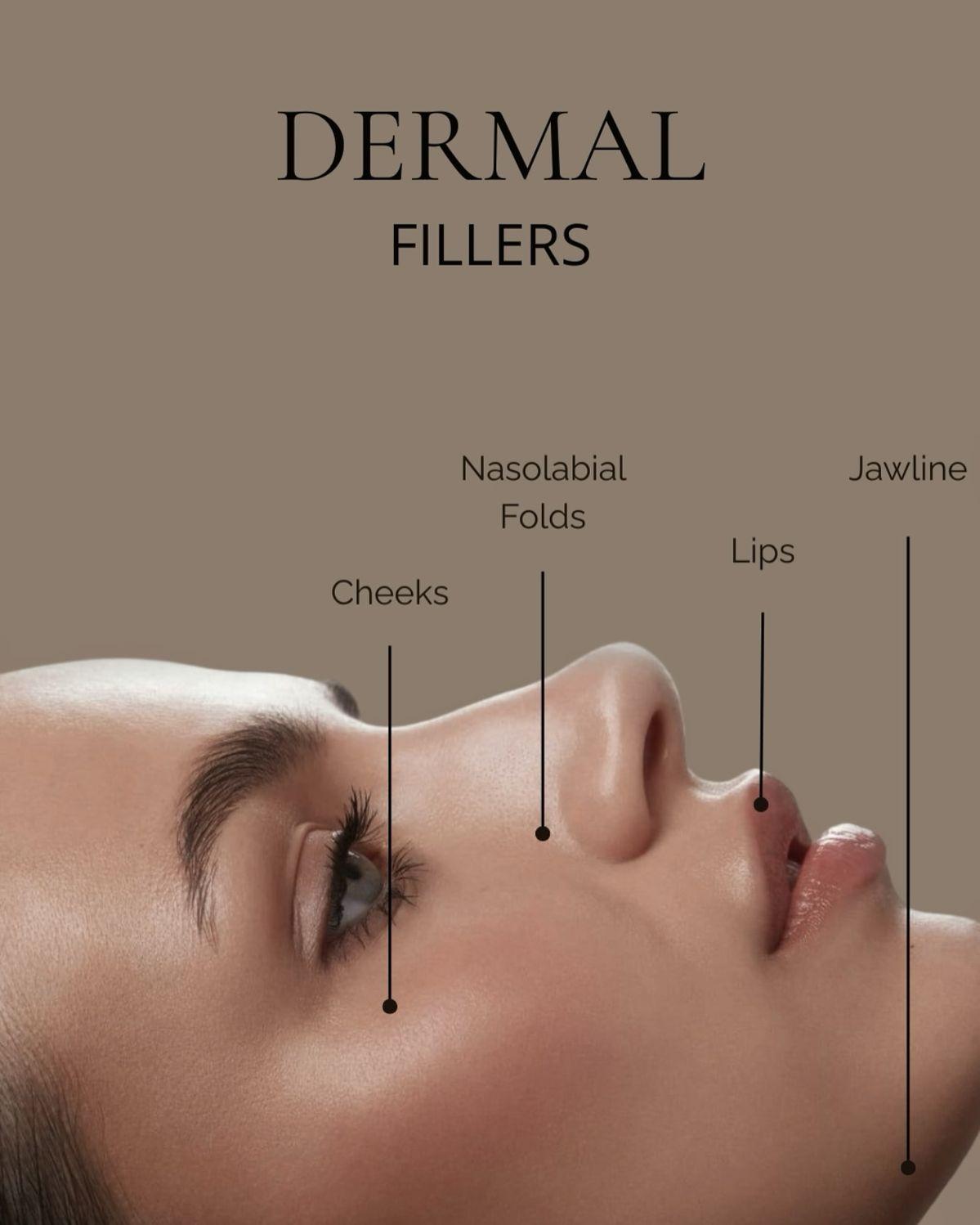
Facial features naturally change over time. The cheeks may lose fullness, lips can become thinner, and facial contours may appear less defined. Genetics can also influence the shape and volume of different features. For people who want to improve these concerns without surgery, injectable treatments can provide a practical cosmetic option.
If you are considering dermal fillers in Islamabad, understanding how treatment works, what influences the results, and how to approach the process can help you make an informed decision.
What Are Dermal Fillers Used For?
Dermal fillers add volume beneath the skin or enhance the contours of selected facial areas. Depending on the treatment plan, they may help restore volume, improve definition, or enhance facial proportions.
Common treatment goals include:
-
Enhancing lip volume and shape
-
Restoring cheek fullness
-
Improving chin projection
-
Defining the jawline
-
Softening the appearance of selected folds
-
Improving facial symmetry
-
Replacing volume lost with age
The treatment should always be customized according to the patient's facial structure rather than based on a standard amount or technique.
Natural Enhancement Starts With Balance
One of the most important principles of filler treatment is facial balance.
A feature should not be treated in isolation without considering the surrounding areas. For example, changing the projection of the chin can influence how the nose and lips appear from the side. Similarly, cheek enhancement can affect the overall appearance of the middle and lower face.
A professional assessment helps identify these relationships before treatment begins.
Different Patients Need Different Approaches
Two people may request the same procedure but require completely different treatment plans.
One patient may want very subtle lip definition, while another may need more noticeable volume restoration. Someone with naturally prominent cheekbones may require less filler than someone with significant volume loss.
Factors that influence treatment planning include:
-
Age
-
Facial anatomy
-
Existing volume
-
Skin condition
-
Treatment history
-
Desired level of enhancement
-
Individual facial proportions
This is why copying another person's filler treatment is rarely an appropriate approach.
Lip Fillers: More Than Just Volume
Lip enhancement is one of the most recognized uses of dermal fillers. However, the objective does not always involve making the lips significantly larger.
Treatment may focus on:
-
Lip border definition
-
Shape
-
Symmetry
-
Subtle fullness
-
Proportion between the upper and lower lips
A carefully planned approach can improve lip appearance while preserving natural movement and expression.
Cheek Fillers and Facial Contour
Cheeks contribute to the structure of the middle face. When volume decreases, the face can appear flatter or more tired.
Cheek fillers can add volume in selected areas to create a more defined contour. The treatment may also improve the transition between different parts of the face.
The amount and placement should depend on the patient's anatomy rather than a fixed formula.
Chin Enhancement
The chin has an important role in facial balance, particularly when viewing the face from the side.
For some patients, a subtle increase in chin projection can improve overall proportions. Fillers may offer a non-surgical way to explore this type of enhancement.
However, significant structural concerns may require a different treatment approach, which should be discussed during consultation.
Jawline Definition
A well-defined jawline can contribute to facial structure and contour. Some patients use fillers to create additional definition along selected areas of the jaw.
This treatment requires careful consideration of facial shape. Over-treatment can make the lower face appear heavier, while appropriate placement may create a more refined contour.
What Should You Expect at the Consultation?
A consultation is an important part of the treatment process. The practitioner should listen to your concerns before recommending a procedure.
During assessment, the practitioner may examine:
-
Facial symmetry
-
Skin quality
-
Existing volume
-
Facial proportions
-
Areas of concern
-
Previous injectable treatments
-
Desired outcome
This assessment helps establish whether dermal fillers are suitable and what type of treatment may be appropriate.
Discuss Your Expectations Clearly
Patients should explain what they want to change rather than simply asking for “fillers.”
For example, you might want:
-
Slightly fuller lips
-
More visible cheek contours
-
Better chin projection
-
Softer-looking folds
-
A more defined jawline
-
Restoration of lost facial volume
Clear communication allows the practitioner to create a treatment plan around a specific objective.
What Happens During Treatment?
Once the treatment plan is finalized, the practitioner prepares the selected area and identifies appropriate injection points.
The filler is then introduced using an appropriate technique. The experience can vary depending on the treatment area, individual sensitivity, and product used.
A small treatment may be completed relatively quickly, while treating several facial areas may take longer.
Recovery Is Usually Gradual
Temporary swelling, redness, tenderness, or bruising can occur after injections. These effects may vary depending on the individual and treatment area.
Patients should avoid judging their final result immediately because swelling can temporarily change the appearance.
Following professional aftercare instructions can support a smoother recovery.
When Should You Expect the Final Appearance?
Although filler can provide an immediate volume effect, the treated area may look different during the initial recovery period.
As temporary swelling settles, the appearance generally becomes easier to assess. The exact timeline differs between patients and depends on factors such as the treatment area and individual response.
Your practitioner can provide more specific guidance based on your treatment.
How Long Can the Enhancement Remain Visible?
Fillers are temporary. Their duration depends on the type of product, location, quantity, metabolism, facial movement, and other individual factors.
Highly mobile areas may behave differently from areas with less movement. Because of this, there is no single duration that applies to every patient.
Maintenance may eventually be considered when the effect decreases.
Safety Should Be a Priority
Although dermal fillers are widely used, they are medical injectable treatments and should not be treated like ordinary beauty services.
Patients should choose a qualified medical professional with appropriate knowledge of facial anatomy and injectable procedures.
A professional setting should also provide proper product handling, hygiene, patient assessment, informed consent, and aftercare guidance.
Understanding Possible Side Effects
Common temporary effects may include:
-
Mild swelling
-
Redness
-
Bruising
-
Tenderness
-
Sensitivity
More serious complications are uncommon but possible. Patients should understand the potential risks before treatment and know how to contact their provider if something unusual occurs.
Any significant pain, unusual skin color changes, or rapidly increasing swelling should receive prompt professional attention.
Why Product Quality Matters
The filler itself is an important part of treatment. Patients should know what product is being used and understand why the practitioner selected it.
Appropriate storage, handling, authenticity, and clinical use all contribute to treatment safety.
Instead of choosing a clinic solely because of a low price, patients should consider the complete treatment environment and professional standards.
What Can Affect Your Results?
Several factors can influence the final outcome.
These include:
-
The practitioner's technique
-
Filler selection
-
Amount injected
-
Treatment location
-
Individual anatomy
-
Metabolism
-
Lifestyle
-
Aftercare
-
The original cosmetic goal
Even a high-quality filler cannot guarantee identical results for every person.
Choosing the Right Provider
A provider's experience matters because facial injections require an understanding of anatomy, proportions, tissue characteristics, and treatment limitations.
When researching a clinic, look for clear information about the practitioner, consultation process, products, safety standards, and aftercare.
Patients researching aesthetic injectable services may also consider Enfield Royal Clinic when comparing professional treatment options.
Avoid Making Decisions Based Only on Trends
Social media can make certain facial treatments appear universal. However, a look that suits one person may not suit another.
Facial shape, bone structure, skin quality, and natural proportions vary significantly.
The best treatment plan should respond to your own features and goals rather than reproduce another person's appearance.
Are Fillers Permanent?
No. Dermal fillers are designed to provide temporary enhancement.
Over time, the body gradually processes the product and the visible effect decreases. Patients who remain satisfied with their results may discuss maintenance with their practitioner.
Maintenance should not follow a rigid schedule. The timing should depend on how the individual responds to treatment.
Questions to Consider Before Booking
Before scheduling a filler procedure, consider asking:
-
What specific concern will treatment address?
-
Is filler the most appropriate option for me?
-
Which product will be used?
-
Why is that product suitable?
-
How much filler do I need?
-
What results should I realistically expect?
-
What temporary reactions are possible?
-
How long may the results last?
-
What aftercare will I need?
-
What should I do if I experience an unexpected reaction?
These questions can help you understand the procedure before making a decision.
A Personalized Approach Can Make the Difference
Dermal filler treatment works best when the plan reflects the individual rather than a generic beauty standard.
Some patients may benefit from treating one small area, while others may require a carefully coordinated approach involving several facial features. In either case, moderation and proportion remain important.
The goal should be to create improvement that fits naturally with the patient's existing appearance.
Final Thoughts
Dermal fillers can provide a non-surgical way to restore volume, improve facial definition, and enhance selected features. However, the quality of the outcome depends on careful assessment, suitable products, precise technique, and realistic expectations.
Anyone considering treatment should take time to understand the procedure and choose a qualified professional rather than making a decision based only on price or trends. With an individualized plan and appropriate clinical care, filler treatment can support subtle and balanced facial enhancement.
