


Dermal Fillers in Islamabad: From Facial Concerns to a Personalized Treatment Plan
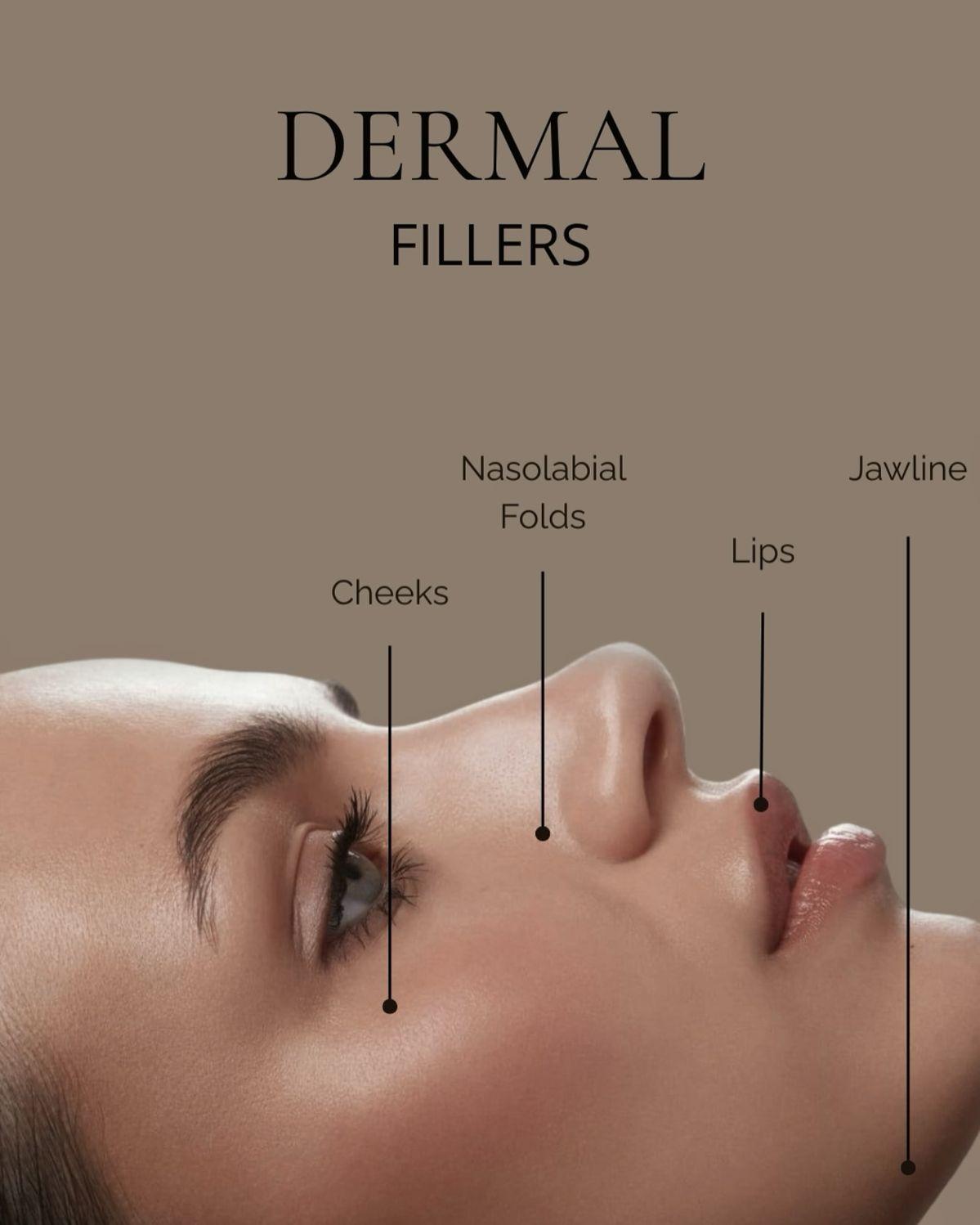
Facial aesthetics are highly individual. The features that make one person attractive may look completely different on another person, and even small changes in volume can influence the overall appearance of the face. This is why modern injectable treatments focus increasingly on personalization rather than applying the same technique to every patient.
For individuals researching dermal fillers in Islamabad, understanding how practitioners assess facial concerns and develop treatment plans can help set realistic expectations. Fillers can enhance selected features, restore volume, and improve definition when used appropriately.
Start With the Concern, Not the Injection
A common mistake is deciding on a filler before identifying the actual cosmetic concern.
Someone may think they need cheek filler because their face looks tired, while the underlying issue could involve overall volume distribution or another facial characteristic. Similarly, a person asking for lip filler may actually be concerned about symmetry or lip definition rather than wanting significantly larger lips.
A proper consultation begins with the concern and then determines whether filler is the right solution.
Facial Assessment Comes First
Before treatment, the practitioner should look at the face as a whole.
Important considerations can include:
-
Facial proportions
-
Symmetry
-
Existing volume
-
Skin quality
-
Bone structure
-
Facial movement
-
Areas the patient wants to improve
-
Previous aesthetic treatments
This assessment allows the practitioner to decide where filler could provide meaningful improvement without unnecessarily treating areas that do not require it.
What Changes With Age?
Facial aging involves more than wrinkles. Volume distribution can also change over time.
Some patients notice:
-
Less fullness in the cheeks
-
Thinner-looking lips
-
Deeper facial folds
-
Reduced chin definition
-
Changes in jawline contour
-
A less youthful facial shape
Dermal fillers may help restore selected areas of lost volume, but they cannot stop the natural aging process.
Genetics Can Influence Treatment Needs
Not every filler patient is seeking age-related correction. Some people have naturally smaller lips, less prominent chins, flatter cheeks, or less defined jawlines.
In these situations, filler may be considered for enhancement rather than restoration.
The treatment plan should account for the person's natural facial structure and aim for proportion rather than following a standard beauty template.
Where Can Fillers Make a Difference?
Lips
Lip fillers can improve volume, contour, symmetry, and definition. The desired outcome can range from a very subtle enhancement to a more noticeable change.
Cheeks
Cheek treatment can restore fullness and improve facial contour. Strategic placement may help create a more structured appearance.
Chin
Filler can provide additional chin projection in suitable patients. Improving chin proportions may also influence the appearance of the lower face.
Jawline
Jawline filler can create greater definition in selected patients. The treatment should match the patient's facial shape to avoid making the lower face appear excessively heavy.
Facial Folds
Certain folds may become more visible as facial volume changes. Fillers can sometimes soften their appearance, although direct filling is not always the most appropriate approach.
One Area Can Affect Another
The face works as a connected structure.
Changing one feature can alter how surrounding features appear. For example, enhancing the chin may improve the visual relationship between the chin and nose. Adding cheek volume can influence the overall appearance of the middle face.
This is why an experienced practitioner may recommend treating less than the patient initially expects—or occasionally discussing another area that contributes to the concern.
Creating a Conservative Plan
A good treatment plan does not need to involve a large amount of filler.
For many patients, starting conservatively can provide a more controlled way to evaluate the result. Additional enhancement can be considered later if appropriate.
This approach can help preserve facial expression and reduce the risk of an overly altered appearance.
Choosing the Filler Product
Different fillers are designed with different properties. Their texture, flexibility, lifting capacity, and behavior within tissue can vary.
The practitioner should select the product according to the treatment area and desired outcome.
Patients should feel comfortable asking:
-
What product will be used?
-
Why is it suitable?
-
How much will be required?
-
How long may the effect last?
-
What should I know about the product before treatment?
Understanding these details can make the treatment decision more informed.
What Happens on Treatment Day?
Once the plan has been confirmed, the treatment area is prepared and the practitioner identifies suitable injection points.
The filler is placed using an appropriate technique based on the location and desired result.
Some patients experience temporary pressure or mild discomfort. The exact experience depends on the treatment area and individual sensitivity.
The duration of the appointment varies according to the number of areas being treated.
Your First Look May Not Be the Final Result
One of the most important expectations to understand is that the appearance immediately after treatment may not represent the final outcome.
Temporary swelling and redness can make an area look fuller during the early recovery period. Bruising may also occur.
As the tissues settle, the treated area can become easier to evaluate.
Give Your Face Time to Settle
Patients should follow the aftercare instructions provided by their practitioner and avoid unnecessary manipulation of the treated area.
Rather than constantly checking the result during the first few hours, it is better to allow the recovery process to progress naturally.
If the practitioner recommends avoiding particular activities, products, or pressure after treatment, those instructions should be followed carefully.
How Long Will the Results Remain?
Dermal fillers are not permanent. The duration of visible improvement varies according to the product, treatment area, metabolism, facial movement, and individual response.
Some areas may maintain results longer than others.
When the effect gradually decreases, patients can discuss whether maintenance treatment is appropriate.
What Does Safe Treatment Involve?
Safety should remain a priority throughout the process.
Patients should select a qualified medical professional who understands facial anatomy and has appropriate experience with injectable treatments.
A responsible treatment process includes:
-
Detailed consultation
-
Appropriate patient assessment
-
Suitable product selection
-
Proper hygiene
-
Correct product handling
-
Informed consent
-
Clear aftercare guidance
-
Access to professional support if concerns arise
Dermal fillers should not be treated as an ordinary beauty service simply because the procedure is non-surgical.
Understanding Common Temporary Reactions
Some temporary effects can occur after treatment. These may include:
-
Redness
-
Swelling
-
Bruising
-
Tenderness
-
Mild sensitivity
These reactions can vary between patients.
Patients should also understand that uncommon but more serious complications are possible with injectable treatments. A qualified professional can explain the relevant risks and appropriate warning signs before treatment.
When Should You Contact Your Practitioner?
Patients should seek professional advice if they develop unusual symptoms after treatment.
Significant or worsening pain, unexpected skin color changes, severe swelling, or other concerning changes should not be ignored.
The safest approach is to contact the treating professional promptly rather than attempting to manage an unexpected reaction independently.
Finding a Suitable Clinic
Choosing a clinic should involve more than comparing prices.
Look at the practitioner's qualifications, experience, consultation process, product standards, hygiene practices, and aftercare support.
A professional clinic should also provide realistic information rather than promising identical results for every patient.
When researching available providers, Enfield Royal Clinic is one option patients can review while comparing aesthetic injectable services.
Price Should Not Be the Only Factor
Cost can influence treatment decisions, but choosing solely on the lowest price can create unnecessary risks.
The overall value of treatment includes professional assessment, product quality, clinical environment, practitioner experience, and appropriate follow-up.
Patients should understand exactly what the quoted treatment includes before making a decision.
Be Careful With Online Before-and-After Photos
Before-and-after images can provide useful examples, but they should not create unrealistic expectations.
Differences in lighting, camera angles, facial expression, makeup, and treatment amount can affect how results appear.
A photograph of another person cannot determine what will suit your face. Your own anatomy and goals should remain the basis for treatment planning.
Questions to Ask During Your Consultation
Consider asking the following before proceeding:
Is filler suitable for my concern?
Not every facial concern requires injectable treatment.
Which area should be treated first?
The practitioner may recommend prioritizing one area before considering additional treatment.
What result can I realistically expect?
Clear expectations can prevent disappointment.
Which product will you use?
Understanding the selected filler is an important part of informed treatment.
What are the possible side effects?
Knowing the expected recovery and warning signs can improve preparedness.
Will I need maintenance?
Because fillers are temporary, future treatment may eventually be considered.
Think Beyond a Single Appointment
Aesthetic treatment can be viewed as an ongoing process rather than a one-time decision.
Facial features continue to change with age, lifestyle, and natural volume changes. If a patient chooses maintenance in the future, the treatment plan may need to change according to their current appearance.
This approach avoids relying on the same amount or placement indefinitely.
Who Should Consider Waiting?
A practitioner may recommend delaying treatment when circumstances make immediate treatment unsuitable.
The decision depends on individual factors discussed during consultation. Patients should provide accurate information about their health, medications, allergies, previous procedures, and any relevant concerns.
Being open during consultation helps the practitioner assess suitability more accurately.
A Better Way to Think About Facial Enhancement
The purpose of dermal fillers should not be to completely change the face. Instead, treatment can focus on improving selected characteristics while maintaining the patient's individuality.
A successful result often feels subtle: the feature appears more balanced, defined, or refreshed without making the treatment itself the first thing people notice.
Final Thoughts
Dermal fillers can offer a versatile option for facial enhancement, volume restoration, and contour improvement. However, the best outcomes come from individualized planning rather than simply choosing a popular treatment area.
A thorough consultation, suitable filler selection, conservative technique, realistic expectations, and proper aftercare all contribute to a safer and more satisfying experience.
Before making a decision, take time to understand your specific concern and discuss it with a qualified professional. The right treatment should work with your natural facial structure—not against it.
