

Irrigation And Drainage Services in Kailua Kona, HI for Healthier Landscapes

Water is one of the most important parts of a healthy landscape. Grass, trees, flowers, and other plants need the right amount of water to grow. However, too much water can create problems when it does not drain properly. Irrigation And Drainage Services in Kailua Kona, HI can help property owners manage water more effectively and protect lawns, gardens, soil, and outdoor areas from common water-related problems.
Why Irrigation And Drainage Services in Kailua Kona, HI Matter
Irrigation and drainage serve two different but connected purposes. Irrigation delivers water to plants and grass when they need it, while drainage helps move excess water away from areas where it could cause damage.
When these systems work properly, outdoor spaces can maintain a healthier balance of moisture. When either system has a problem, the effects may become visible in the lawn or garden.
Too little irrigation can cause dry grass and stressed plants. Too much irrigation can create saturated soil and standing water. Poor drainage can make the problem worse by preventing excess water from leaving the landscape.
A balanced water management plan considers both sides.
Understanding How Irrigation Works
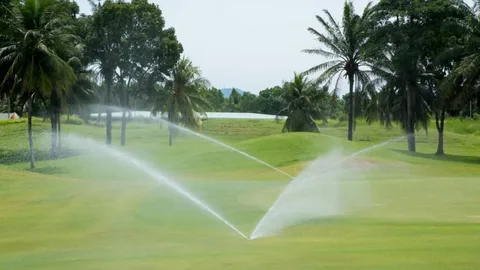
An irrigation system is designed to distribute water across a landscape. Depending on the property, it may use sprinklers, drip systems, timers, valves, and other components.
Each part needs to work properly for the system to provide consistent coverage.
A damaged sprinkler head may spray water in the wrong direction. A blocked component may reduce water flow. A leak can waste water and create an overly wet area.
Regular inspection can help identify these issues before they affect a larger part of the landscape.
Signs of Irrigation Problems
Property owners should watch for signs that the irrigation system may not be working correctly.
One common sign is uneven grass growth. Some areas may appear very dry while other sections remain unusually wet.
Other warning signs include broken sprinkler heads, water spraying onto sidewalks, puddles forming during irrigation, or areas that remain dry despite regular watering.
Unexpected increases in water use can also indicate a leak or equipment problem.
Addressing these signs early can help protect the landscape and prevent unnecessary water waste.
Why Proper Watering Matters
Plants need water, but their requirements are not all the same. Grass may have different needs from shrubs, flowers, trees, and garden plants.
Watering everything in the same way may not provide the best results.
Soil type also affects how quickly water moves through the landscape. Some areas may absorb water quickly, while compacted or poorly drained soil may hold moisture for longer.
An effective irrigation routine considers these differences and adjusts watering when necessary.
Avoiding Overwatering
Overwatering is a common landscape problem. Property owners may assume that more water will make plants and grass healthier, but excessive moisture can create unhealthy conditions.
When soil remains wet for extended periods, roots may not receive the balance of air and moisture they need.
Overwatering can also contribute to standing water and muddy areas.
Irrigation schedules should be reviewed regularly instead of being left unchanged regardless of weather and landscape conditions.
If rainfall has already provided sufficient moisture, automatic irrigation may not always be necessary.
Understanding Drainage Problems
Drainage problems occur when excess water does not move away from the landscape efficiently.
Low areas can collect water after rainfall or irrigation. Compacted soil can slow water movement. Blocked drainage paths can also prevent water from leaving the property.
Standing water is one of the most visible signs of a drainage issue.
Property owners should pay attention to areas that repeatedly remain wet while the rest of the landscape dries normally.
Identifying the reason for the problem is important because different drainage conditions require different solutions.
Protecting Grass From Excess Water
Grass can be affected by both drought and excessive moisture. While dry conditions may cause grass to lose color and strength, constant saturation can also create unhealthy growing conditions.
Poor drainage can make certain parts of a lawn remain wet for much longer than others.
This may result in muddy areas, uneven growth, and difficulty maintaining the grass.
Improving drainage and adjusting irrigation can help create more balanced moisture conditions.
Protecting Garden Plants
Garden plants also need appropriate water management. Too much water can affect roots, while too little can cause plants to wilt or become stressed.
Plants should be observed for signs of changing health. Leaf discoloration, wilting, unusual growth, or changes in soil moisture can provide clues about potential water problems.
Garden beds should also be designed and maintained so water does not remain where it should not.
Proper irrigation and drainage can help protect plants while making garden maintenance more manageable.
Preventing Standing Water
Standing water should not always be ignored. A puddle that disappears quickly after heavy rain may not indicate a major issue, but water that repeatedly collects in the same location may need attention.
Standing water can result from poor grading, compacted soil, blocked drainage, or excessive irrigation.
The first step is to identify the source.
If irrigation is causing the problem, adjusting the system may help. If the landscape cannot move natural rainfall away efficiently, drainage improvements may be needed.
Protecting Soil From Erosion
Water can also cause damage when it moves too quickly. Strong water flow may remove soil from certain areas and expose plant roots.
Erosion can create uneven ground and affect lawns, garden beds, and other landscape features.
Plants and ground cover can help stabilize soil, while appropriate water management can reduce excessive flow.
Property owners should observe areas where water appears to move rapidly after rainfall.
Repeated erosion may indicate that the landscape needs better water management.
Irrigation Maintenance Saves Water
An irrigation system that is not maintained may waste water.
A damaged sprinkler can spray onto a driveway instead of the lawn. A leaking connection can release water continuously. Poorly adjusted coverage can leave some areas overwatered while other sections remain dry.
Routine inspection helps property owners find these problems.
Small repairs or adjustments may improve water distribution and reduce unnecessary use.
Efficient irrigation is not only better for the landscape. It can also help property owners manage water costs and reduce waste.
How Drainage Supports Property Protection
Good drainage can protect more than the lawn. Water that collects near structures, walkways, and outdoor areas can create additional maintenance concerns.
Property owners should monitor where water travels after rainfall. If water repeatedly collects near a building or another sensitive area, the drainage situation should be evaluated.
Keeping water moving toward appropriate areas can help protect the landscape and improve outdoor usability.
Drainage should be considered as part of overall property maintenance rather than treated as a separate issue.
Seasonal Water Management
Water needs can change throughout the year. Rainfall, temperature, plant growth, and other conditions can affect how much irrigation is needed.
Property owners should review irrigation schedules rather than assuming the same settings are appropriate all year.
Drainage areas should also be inspected periodically, particularly after periods of heavy weather.
Seasonal cleanup can help prevent leaves and debris from blocking drainage paths.
Regular observation allows property owners to adjust their water management routine when conditions change.
Benefits of Professional Water Management
Managing irrigation and drainage can be difficult when property owners have limited time or lack the necessary experience.
Professional Irrigation And Drainage Services in Kailua Kona, HI can help identify water management concerns and maintain irrigation and drainage systems as part of a broader landscape care plan.
Professional service can also help property owners understand why certain areas are staying too wet or too dry.
Instead of guessing at the cause, a professional can examine the landscape and identify potential irrigation or drainage issues.
Irrigation and Lawn Care Work Together
Irrigation should not be managed separately from lawn care. Grass needs appropriate water to support healthy growth, but mowing and maintenance also affect how the lawn responds to water.
Overgrown grass may be harder to maintain, while compacted soil can affect water movement.
Regular lawn care provides opportunities to observe irrigation performance. If certain sections repeatedly appear unhealthy, the irrigation system may need to be checked.
Combining lawn care with water management creates a more complete maintenance approach.
Irrigation and Gardening Work Together
Garden plants also benefit from coordinated care. Plants with similar water requirements can be grouped together when possible.
This can make irrigation more efficient because areas can be watered according to the needs of the plants growing there.
Garden beds should also be checked for drainage. Water should not remain around plants longer than appropriate for their growing conditions.
Regular gardening maintenance can help identify irrigation problems early.
Common Irrigation and Drainage Mistakes
One common mistake is leaving irrigation timers unchanged for long periods. Weather and landscape conditions can change, so watering schedules may need adjustment.
Another mistake is ignoring small leaks. A small leak can waste water over time and may create a constantly wet area.
Property owners may also overlook blocked drainage paths. Leaves and debris can prevent water from moving properly.
Ignoring repeated standing water is another concern. If the same area remains wet after rainfall or irrigation, there may be an underlying issue.
Finally, applying a single water management strategy to the entire property may not work because different areas can have different needs.
When to Consider Professional Help
Professional support may be useful when a property has recurring standing water, uneven irrigation, large lawn areas, multiple garden beds, or a complicated irrigation system.
It can also help when property owners are unsure whether a problem comes from watering, drainage, soil, or another landscape condition.
A professional evaluation can help identify the source of the problem and determine what type of maintenance may be appropriate.
Regular service can also reduce the likelihood of small irrigation problems being overlooked.
Choosing an Irrigation and Drainage Provider
Property owners should consider experience, reliability, service options, and local knowledge when choosing a provider.
It is helpful to work with a company that understands how irrigation and drainage interact with lawn and landscape maintenance.
Property owners should also ask about inspection schedules and what services are included.
Clear communication is important. If an issue is discovered, the provider should be able to explain the problem in simple terms and discuss possible next steps.
Creating a Better Water Management Routine
A simple routine can help property owners stay aware of water conditions.
Walk around the property regularly and look for standing water, dry areas, damaged sprinkler heads, and unusual plant conditions.
Check irrigation equipment periodically. Make sure sprinklers are covering the intended areas and that there are no obvious leaks.
Inspect drainage areas and remove debris that could block water movement.
After significant rainfall, observe how water moves across the property. This can reveal areas where drainage may need additional attention.
FAQs About Irrigation and Drainage
1. Why is proper irrigation important?
Proper irrigation provides grass and plants with the water they need while helping prevent unnecessary overwatering and waste.
2. What are common signs of poor drainage?
Repeated standing water, muddy areas, soil erosion, unusually wet grass, and water collecting in the same location can indicate drainage concerns.
3. Can overwatering damage a lawn?
Yes. Excessive moisture can create unhealthy soil conditions and may contribute to standing water and weak grass.
4. How can drainage problems be prevented?
Regular inspections, clear drainage paths, appropriate grading, proper irrigation, and attention to recurring wet areas can help manage drainage.
5. How often should irrigation systems be checked?
Irrigation systems should be inspected regularly, especially when water use changes or parts appear damaged. Seasonal checks can also help maintain proper performance.
Better Water Management Creates Healthier Landscapes
Water management plays an important role in the health and appearance of outdoor spaces. Grass and plants need enough water to grow, but excess moisture must also have somewhere to go.
Irrigation delivers water while drainage manages excess moisture. When both systems are maintained properly, property owners can create a more balanced landscape.
Irrigation And Drainage Services in Kailua Kona, HI can help property owners manage these important parts of outdoor maintenance while reducing the stress of handling complicated water-related issues alone.
Regular inspections can identify leaks, uneven irrigation, blocked drainage, standing water, and other concerns before they become more difficult to manage.
Professional support can also be valuable for larger properties or landscapes with multiple irrigation zones and drainage needs.
For local property owners who need dependable landscape and water management, Big Island Lawn Care provides practical outdoor maintenance services.
Consistent irrigation and drainage care can help protect lawns, gardens, soil, and other outdoor areas. Big Island Lawn Care can help property owners maintain healthier landscapes through regular attention to their water management needs.
