

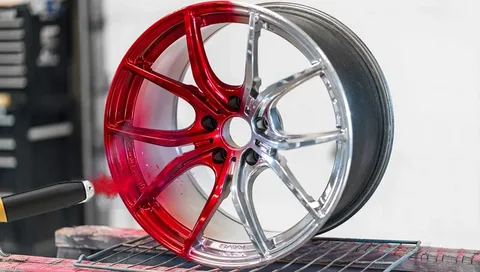

Wheels are one of the most noticeable parts of any vehicle. Clean and well-finished wheels can improve the overall appearance of a car, truck, or other vehicle, while damaged or faded wheels can make even a well-maintained vehicle look older. Road salt, brake dust, moisture, scratches, and everyday driving can gradually affect a wheel's finish. For vehicle owners considering Wheel Powder Coating Services in Warwick, RI, professional powder coating can provide a durable new finish while giving wheels a refreshed and customized appearance.
Why Wheel Powder Coating Services in Warwick, RI Are a Popular Choice
Traditional wheel finishes can become faded, scratched, chipped, or discolored over time. Brake dust can also build up on the surface and make wheels difficult to keep looking clean.
Powder coating offers a different approach to wheel refinishing. Instead of applying a conventional wet paint, dry powder is applied to a properly prepared wheel and then cured under controlled heat.
The result can be a durable and attractive finish that is available in many colors and styles. This makes powder coating useful for both restoration projects and custom vehicle builds.
For vehicle owners who want to improve the appearance of their wheels without replacing them, professional refinishing can be an option worth considering.
What Is Wheel Powder Coating?
Wheel powder coating is a finishing process designed for suitable metal wheels. Before the powder is applied, the wheel must be properly prepared.
Preparation may involve removing the existing finish, cleaning contaminants, addressing corrosion, and inspecting the wheel for damage. Depending on the condition of the wheel, blasting or another preparation method may be used.
Once the surface is ready, powder is applied using specialized equipment. The wheel is then placed into a controlled curing environment where the powder melts and forms a solid finish.
The quality of the final result depends on every stage of the process. Good preparation, correct powder application, proper curing, and careful handling all contribute to the finished appearance.
Benefits of Powder Coating Your Wheels
There are several reasons vehicle owners choose powder coating instead of simply replacing or repainting their wheels.
Improved Appearance
A fresh coating can make worn wheels look cleaner and newer. It can also help create a more consistent appearance across all four wheels.
Durable Finish
Powder coating can provide a strong finish designed to handle many normal automotive conditions. Wheels are exposed to road debris, moisture, brake dust, and temperature changes, so durability is an important consideration.
Custom Color Options
Vehicle owners can choose from many color and finish possibilities. A subtle factory-style finish can provide a clean appearance, while a brighter custom color can make the wheels stand out.
Protection From Environmental Exposure
A suitable coating can provide an additional protective layer over the prepared metal. This can help reduce the effects of moisture and other environmental exposure.
Cost Effective Alternative
Depending on the condition and value of the existing wheels, refinishing may be more practical than purchasing an entirely new set.
Preparing Wheels Before Powder Coating
Surface preparation is one of the most important steps in wheel refinishing.
Wheels can collect brake dust, grease, dirt, corrosion, and old coating. If these contaminants remain on the surface, they can affect the new finish.
The existing coating may need to be removed before the wheel is refinished. Professional blasting can be used on suitable wheels to remove old finishes and surface contamination.
After stripping, the wheel should be inspected carefully. Cracks, bends, corrosion, curb damage, and other problems should be identified before the coating process continues.
A wheel with structural damage may require repair before it can be refinished.
Checking Wheels for Damage
Powder coating should not be used to hide structural problems.
Before refinishing, each wheel should be checked for visible and hidden damage. A hard pothole impact can cause bends or cracks that are not immediately obvious.
Signs that a wheel may need inspection include:
-
Repeated tire pressure loss
-
Vibration while driving
-
Visible cracks
-
Bent areas
-
Heavy corrosion
-
Curb damage
-
Problems balancing the wheel
If a wheel has significant structural damage, it should be evaluated by a qualified professional before refinishing.
This step helps ensure that the wheel is suitable for continued use.
Choosing the Right Wheel Color
One of the biggest advantages of powder coating is the variety of available colors and finishes.
Black remains a popular choice because it creates a clean and modern appearance. Silver and gray finishes can provide a more traditional factory-style look.
Other vehicle owners may prefer bronze, white, red, blue, or another custom color. Metallic and textured finishes can also create a unique appearance.
The best color depends on the vehicle's body color, wheel design, personal preference, and desired style.
It can be helpful to consider how the color will look in both direct sunlight and normal outdoor lighting before making a final selection.
Gloss, Satin, and Matte Finishes
Color is only one part of the wheel's final appearance. The level of shine also affects how the wheel looks.
A gloss finish reflects more light and can create a bright appearance. Satin finishes provide less shine while maintaining a clean appearance. Matte finishes have very little reflection and can create a more understated style.
Textured finishes may provide another visual option.
The selected finish should be appropriate for the desired appearance and the coating system being used.
Powder Coating vs Wheel Paint
Vehicle owners often compare powder coating with traditional paint when considering wheel refinishing.
Liquid paint is applied wet and then allowed to dry or cure. Powder coating uses dry powder that is applied to a prepared surface and cured with heat.
Powder coating can provide a durable finish and consistent coverage when the process is performed correctly.
However, it is not automatically the best solution for every wheel. The wheel material, design, condition, and intended use should all be considered.
A professional coating provider can help determine which finishing method is appropriate.
How the Wheel Powder Coating Process Works
The exact process can vary, but professional wheel refinishing generally follows several important stages.
Step 1: Wheel Inspection
The wheel is checked for cracks, bends, corrosion, curb damage, and other problems.
Step 2: Tire Removal
The tire is normally removed so the wheel can be properly prepared and coated.
Step 3: Surface Preparation
Old coatings, dirt, grease, and corrosion are removed using an appropriate preparation method.
Step 4: Masking
Areas that should not receive coating are protected before powder application.
Step 5: Powder Application
The selected powder is applied evenly to the prepared wheel using professional equipment.
Step 6: Curing
The wheel is cured under controlled heat according to the requirements of the coating system.
Step 7: Inspection
The finished wheel is checked for coverage, appearance, and other visible issues before it is prepared for installation.
Each stage contributes to the quality of the final result.
Why Professional Wheel Refinishing Matters
Wheel coating may look simple from the outside, but the process requires proper preparation and equipment.
A wheel must be thoroughly cleaned before coating. Sensitive areas must be protected, and the powder must be applied correctly. The curing process also needs to be controlled.
Poor preparation can result in peeling, bubbling, uneven coverage, or other finishing problems.
Professional refinishing can help reduce these risks and provide a more consistent result.
Ocean State Powder Coating can be considered by Warwick area vehicle owners looking for professional powder coating for suitable wheels and automotive components.
Powder Coating Wheels After Repair
Some wheels require repair before they can be refinished. For example, a wheel may have curb damage, a bend, or another issue that needs attention.
Structural repair should be completed before the final coating is applied.
Once the wheel has been inspected and repaired appropriately, surface preparation can begin. The wheel can then receive its new finish.
Combining repair and refinishing can provide a more complete restoration for suitable wheels.
However, not every damaged wheel should be repaired. Severe structural damage may make replacement a better option.
Maintaining Powder Coated Wheels
Proper care can help maintain the appearance of powder coated wheels.
Regular washing removes brake dust, road salt, dirt, and other contaminants. A mild wheel-safe cleaning product can be used when appropriate.
It is also helpful to avoid aggressive cleaning tools that could unnecessarily scratch the surface.
Brake dust should not be allowed to build up for long periods. Regular cleaning makes it easier to maintain a clean appearance and identify any new damage.
Vehicle owners should also inspect the wheels periodically for chips, scratches, or corrosion.
Protecting Wheels During Winter
Winter driving can be particularly hard on wheel finishes.
Road salt and moisture can contribute to corrosion if they remain on the wheel for extended periods.
Regular washing during winter can help remove salt and road debris. This is especially important after driving on treated roads.
A durable powder coated finish can provide a protective layer, but proper maintenance is still important.
Vehicle owners should avoid assuming that a coating eliminates the need for routine wheel care.
When Should You Consider Powder Coating?
Wheel powder coating can be useful in several situations.
You may want to consider refinishing if the wheels have:
-
Faded finishes
-
Scratches
-
Curb damage
-
Peeling coating
-
Surface corrosion
-
Discoloration
-
An outdated color
It can also be a good option when changing the overall appearance of a vehicle.
Instead of purchasing another set of wheels, some owners choose to restore their existing wheels with a new color and finish.
Wheel Powder Coating for Custom Vehicles
Custom vehicles often require finishes that match a specific style.
Powder coating allows owners to choose a color and finish that complements the vehicle's body, trim, or other components.
For example, a dark vehicle may look different with bright silver wheels compared with satin black wheels. A custom build may benefit from a more distinctive color.
The wheel design also influences the final appearance. Multi-spoke wheels may show more color, while deeper wheels can create stronger visual contrast.
A professional coating provider can discuss available options based on the desired appearance.
What to Ask Before Starting a Wheel Coating Project
Before choosing a coating provider, vehicle owners should ask about the complete process.
Important questions may include:
-
How will the wheels be prepared?
-
Will the existing coating be removed?
-
Will the wheels be inspected for cracks and bends?
-
What colors are available?
-
What finish options are available?
-
How are sensitive areas protected?
-
How are finished wheels inspected?
-
What care is recommended after coating?
Getting clear answers can help vehicle owners understand what they are paying for and what to expect from the finished project.
Frequently Asked Questions
1. How long does wheel powder coating last?
The lifespan depends on the quality of preparation, coating system, vehicle use, environmental conditions, and maintenance. A properly prepared and cured finish can provide long lasting protection under normal driving conditions.
2. Can powder coating repair damaged wheels?
Powder coating is a finishing process, not a structural repair method. Cracks, bends, or other wheel damage should be inspected and repaired appropriately before the wheel is refinished.
3. Can I choose any color for my wheels?
Many colors and finishes are available, although the exact options depend on the coating system. Customers can discuss custom colors, gloss levels, satin finishes, matte finishes, and other options with the coating provider.
4. Should tires be removed before powder coating?
Tires are generally removed so the wheel can be properly prepared, coated, cured, and inspected. Removing the tire also allows sensitive areas to be protected during the process.
5. How should powder coated wheels be cleaned?
Regular cleaning with suitable automotive products can help maintain the finish. Avoid harsh chemicals, abrasive tools, and aggressive cleaning methods unless they are confirmed to be safe for the coating.
Final Thoughts
Wheels can have a major effect on the overall appearance of a vehicle. Unfortunately, they also experience some of the harshest conditions on the road. Brake dust, road debris, moisture, salt, scratches, and impacts can gradually damage their finish.Professional powder coating can provide a practical way to restore suitable wheels while giving them a fresh color and durable surface. The process begins with careful inspection and preparation and continues through professional powder application, curing, and final quality checks.For vehicle owners considering Wheel Powder Coating Services in Warwick, RI, professional refinishing can offer an attractive alternative to replacing otherwise usable wheels. Ocean State Powder Coating can be considered for professional wheel and metal finishing projects in the Warwick area.The right finish depends on the condition of the wheels and the owner's preferred appearance. Customers can choose from a variety of colors, gloss levels, and textures depending on the available coating options. Proper preparation remains essential regardless of the selected color. Ocean State Powder Coating can help customers explore appropriate powder coating options for suitable automotive wheels.
