

Hair loss is a common concern that can gradually affect confidence and personal appearance. Whether the problem appears as a receding hairline, thinning crown, or reduced density across the scalp, modern hair restoration techniques can offer practical solutions. Among these techniques, FUE Hair Transplant has become a popular option because it focuses on extracting and transplanting individual hair follicles while creating a natural-looking pattern.
For people researching hair transplant in Islamabad, understanding how FUE works, who may benefit from it, and what the recovery process involves can help them make a more informed decision. Enfield Royal Clinic in Islamabad offers hair restoration consultations for individuals interested in learning more about modern transplant techniques.
What Is FUE Hair Transplant?
FUE, or Follicular Unit Extraction, is a hair restoration technique in which individual follicular units are removed from a suitable donor area and transferred to areas experiencing hair loss. The donor area is usually located at the back or sides of the scalp because these follicles are often more resistant to the effects of pattern hair loss.
Instead of removing a strip of scalp, FUE involves extracting follicles one by one using specialized instruments. The harvested grafts are then prepared and implanted into carefully planned recipient areas.
The objective is to restore hair while maintaining a natural appearance. The direction, angle, spacing, and distribution of transplanted follicles all contribute to the final result.
Why Is FUE So Popular?
One of the major reasons patients choose FUE is that it does not involve removing a strip of scalp. Individual follicular units are extracted separately, leaving small marks in the donor region rather than one long linear scar.
FUE can also provide flexibility when designing the transplant. Individual grafts can be selected according to their characteristics and placed strategically in different areas of the scalp.
For example, finer grafts may be useful around the frontal hairline, while stronger grafts can contribute to density behind the hairline. This type of planning can help create a gradual transition between the forehead and thicker hair.
Who Can Consider FUE?
FUE may be considered by individuals experiencing male or female pattern hair loss, receding hairlines, thinning crowns, or localized areas of reduced density. However, suitability cannot be determined simply by looking at the amount of hair someone has lost.
The donor area's density and quality are extremely important. A patient needs enough healthy follicles available for transplantation. The progression of hair loss should also be considered because existing hair may continue thinning after a transplant.
A detailed consultation allows the medical team to assess the scalp and determine whether FUE is an appropriate option.
Planning the Hairline
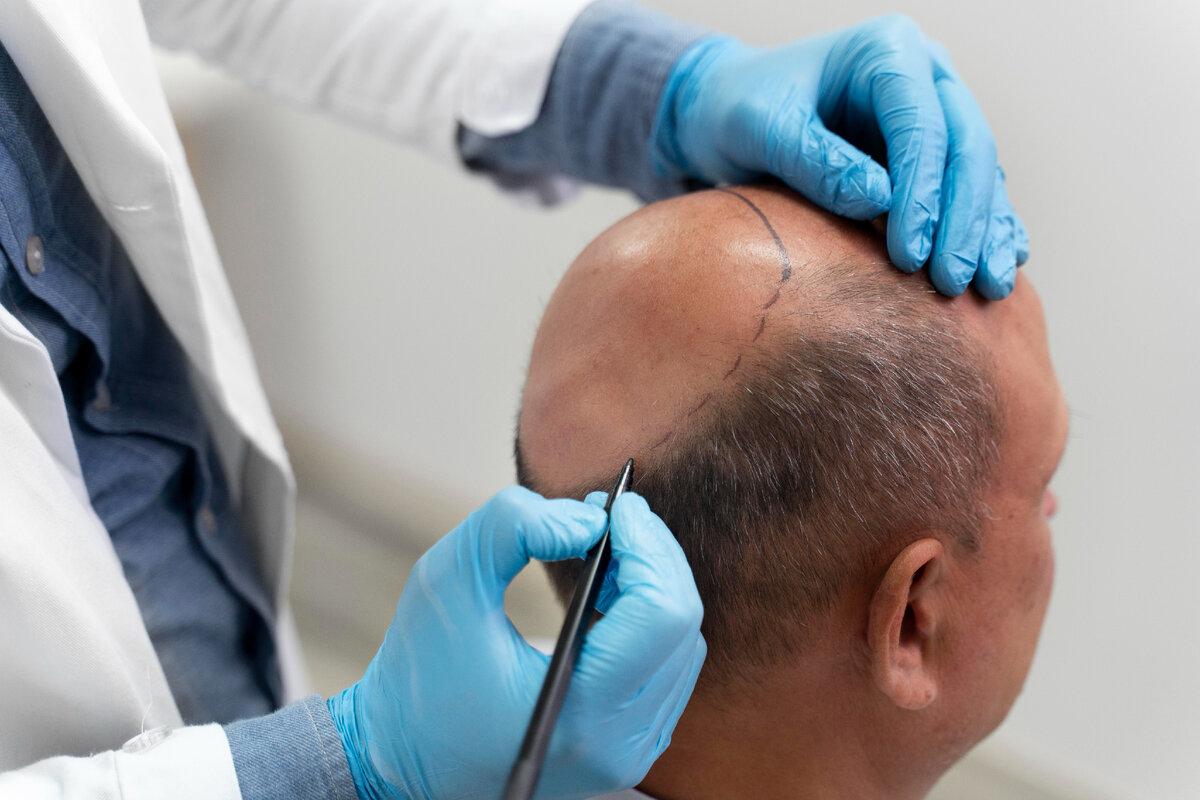
Hairline planning is one of the most important parts of a successful transplant. A natural hairline should generally complement the patient's facial proportions instead of appearing like a straight or artificially low line.
During a consultation for hair transplant in Islamabad, the patient's age, facial structure, existing hairline, donor capacity, and anticipated future hair loss can all be considered.
A carefully designed hairline can help the transplanted hair blend with existing growth. The goal is usually to create a result that looks natural both immediately after growth develops and as the patient ages.
How Does FUE Work?
The procedure begins with an assessment and treatment plan. Once the donor and recipient areas have been identified, local anesthesia is generally used to make the procedure comfortable.
Individual follicles are then extracted from the donor area. These grafts are handled carefully because their survival depends partly on appropriate extraction, storage, and implantation.
After the grafts are prepared, small recipient sites are created in the areas requiring additional coverage. The follicles are then inserted according to the planned direction and angle.
The placement process requires precision. Hair does not naturally grow straight out of the scalp, so matching the direction and angle of existing growth is important for achieving a convincing appearance.
What Happens During Recovery?
Recovery after FUE varies between individuals. Some temporary redness, swelling, sensitivity, or small crusts can occur during the early healing period.
Patients are generally provided with specific aftercare instructions. Following these instructions carefully can help protect newly transplanted grafts during the initial healing stage.
It is also important to understand that transplanted hair does not usually produce immediate visible growth. The follicles need time to progress through their natural growth cycle.
Temporary shedding can occur after transplantation. This stage can cause concern, but it is commonly part of the normal hair-growth process. New growth develops gradually over the following months.
When Can Results Become Noticeable?
Hair restoration requires patience. The timeline differs from person to person, and visible growth does not happen overnight.
During the initial period, transplanted hairs may shed while the follicles remain beneath the skin. Gradual new growth can then become noticeable as the follicles enter their active growth phase.
The appearance of the hair continues to improve as the transplanted strands become longer and mature. Patients should therefore evaluate their progress over an appropriate period rather than judging the outcome during the first few weeks.
Why Professional Assessment Matters
Choosing FUE simply because it is popular may not be the best approach. Every patient's hair loss pattern is different. Some individuals may require restoration primarily around the hairline, while others may need attention to the crown or broader thinning areas.
A professional assessment can help determine the number and quality of available donor follicles and establish realistic expectations.
People considering Dr Adnan Bashir for their hair restoration journey can discuss their concerns and treatment goals during a consultation to understand which approach may be suitable for their individual situation.
Maintaining a Natural Appearance
A successful transplant should complement the patient's existing appearance rather than making the transplanted area look noticeably different.
Several factors contribute to natural results, including proper hairline design, suitable graft selection, correct implantation angles, appropriate spacing, and consideration of future hair loss.
The donor area should also be managed carefully. Excessive extraction from one area can reduce its appearance and limit future treatment options.
This is why individualized planning is an important part of modern hair restoration.
Choosing Enfield Royal Clinic in Islamabad
When searching for a hair restoration provider, patients should consider the experience of the medical team, consultation process, treatment planning, hygiene practices, follow-up care, and the approach used for donor and recipient areas.
Enfield Royal Clinic in Islamabad is an option for people exploring FUE and other hair restoration procedures. A consultation can help patients understand their current hair-loss pattern and discuss realistic expectations before deciding on treatment.
Final Thoughts
FUE Hair Transplant offers a modern approach to restoring hair by transferring individual follicles from a suitable donor area to regions affected by hair loss. Its minimally invasive extraction technique and ability to provide detailed graft placement make it an attractive option for many people.
If you are considering hair transplant in Islamabad, take time to understand your individual hair-loss pattern and donor capacity before choosing a procedure. A professional consultation can help you determine whether FUE is suitable and what type of restoration plan may provide the most natural-looking outcome.
