

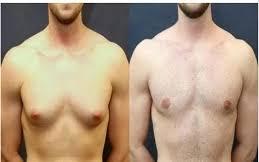

Gynaecomastia Surgery in Dubai is a condition in which male breast tissue becomes enlarged, creating a fuller or more prominent chest appearance. It can affect one or both sides of the chest and may occur during different stages of life. While it is often not medically dangerous, persistent breast enlargement can affect confidence, clothing choices, and overall comfort.
Understanding the underlying causes is important before considering treatment. In some cases, the condition improves naturally, while persistent or significant enlargement may require medical evaluation and, for suitable candidates, surgical correction.
What Causes Gynaecomastia in Men?
The main cause of gynaecomastia is an imbalance between two hormones: estrogen and testosterone. Although estrogen is generally associated with female characteristics, men naturally produce small amounts of it. Testosterone normally helps maintain male physical characteristics.
When estrogen has a stronger effect relative to testosterone, breast glandular tissue can grow. Several factors can contribute to this hormonal imbalance.
Puberty-Related Hormonal Changes
Gynaecomastia commonly develops during puberty because hormone levels can fluctuate significantly during this period. Temporary breast enlargement is relatively common in adolescent boys and may disappear as hormone levels stabilize.
For this reason, surgery is not usually the first approach for teenagers unless the condition is persistent, significant, and assessed appropriately by a qualified medical professional.
Aging and Hormonal Changes
Hormonal changes associated with aging can also contribute to male breast enlargement. Testosterone levels may decline over time, while changes in body composition and hormone activity can influence breast tissue.
Older men should receive an appropriate medical assessment to identify possible contributing factors before deciding on treatment.
Weight Gain and Excess Fat
Weight gain can increase fat deposits around the chest. This can sometimes resemble gynaecomastia, although fat-related chest enlargement is not exactly the same as enlargement of glandular breast tissue.
Some men may have both excess fat and enlarged glandular tissue. A professional assessment can help determine the nature of the chest enlargement and guide treatment planning.
Medications and Health Conditions
Certain medications may contribute to breast tissue enlargement by affecting hormone activity. Some underlying medical conditions can also influence hormone levels or metabolism.
Because the causes can vary, men with new, persistent, painful, or unusual breast enlargement should discuss the changes with a healthcare professional rather than assuming that surgery is immediately necessary.
How Is Gynaecomastia Different From Chest Fat?
Understanding the difference between gynaecomastia and excess chest fat is important when considering treatment.
Gynaecomastia involves an increase in glandular breast tissue, while pseudogynaecomastia primarily involves excess fatty tissue. Some men have a combination of both.
Diet and exercise may help reduce overall body fat, but they may not eliminate established glandular breast tissue. This is one reason why a physical examination and individualized assessment are important before choosing a treatment approach.
When Is Gynaecomastia Surgery Considered?
Surgery may be considered when breast enlargement is persistent and does not improve with appropriate lifestyle or medical management. It may also be discussed when the condition causes significant emotional discomfort or affects a man's quality of life.
A suitable candidate generally needs to have realistic expectations and be in appropriate overall health for the procedure.
Surgery may be considered when:
- Breast enlargement remains persistent over time.
- Excess glandular tissue creates a noticeable chest contour.
- Weight management has not corrected the appearance.
- The condition causes ongoing self-consciousness or discomfort.
- The underlying cause has been appropriately evaluated.
- The patient understands the potential benefits, limitations, and recovery process.
The decision should always be individualized rather than based solely on appearance.
What Does Gynaecomastia Surgery Involve?
The surgical approach depends on the amount and type of tissue present. Treatment may involve removing excess glandular tissue, reducing fatty tissue, or combining techniques to create a more balanced chest contour.
The exact method depends on factors such as chest anatomy, skin quality, tissue composition, and the degree of enlargement.
A detailed consultation allows the healthcare provider to assess these factors and explain the most appropriate surgical strategy.
What Can Men Expect During Recovery?
Recovery varies depending on the extent of treatment and the individual's healing response. Swelling, bruising, tightness, or temporary discomfort may occur during the early recovery period.
Patients are generally given specific aftercare instructions, which may include activity restrictions, wound-care guidance, and recommendations regarding compression garments when appropriate.
Strenuous exercise and heavy lifting may need to be limited for a period recommended by the treating medical team. Follow-up appointments are also important for monitoring healing and identifying any concerns early.
Why Is Individual Assessment Important?
There is no single treatment plan that works for every man with gynaecomastia. The cause, tissue composition, degree of enlargement, skin condition, overall health, and personal goals can all influence treatment decisions.
A proper assessment also helps distinguish gynaecomastia from other causes of chest enlargement and ensures that any relevant medical factors are considered before surgery.
Gynaecomastia Surgery at Tajmeels Clinic
At tajmeels clinic dubai, gynaecomastia treatment begins with an individualized assessment rather than a one-size-fits-all approach. The clinic can evaluate the patient's chest structure, tissue distribution, treatment goals, and suitability for surgical correction.
The treatment plan is designed according to the individual's needs, with attention to achieving a proportionate and natural-looking chest contour. Patients can also receive guidance about preparation, the expected surgical process, recovery, and follow-up care.
Choosing a qualified clinic and having a detailed consultation are important steps for men considering gynaecomastia surgery in Dubai.
Making an Informed Treatment Decision
Gynaecomastia can develop for many reasons, from temporary hormonal changes during puberty to aging, weight changes, medications, or underlying health factors. Not every case requires surgery, and identifying the underlying cause is an important part of responsible treatment planning.
For men with persistent enlargement, a professional assessment can determine whether observation, lifestyle measures, medical management, or surgery may be appropriate. When surgery is considered, understanding the procedure, recovery, possible risks, and expected outcomes can help patients make informed decisions.
More Information
Tajmeels Clinic Dubai
WhatsApp: +971 56 203 8751
Phone: tel:+971 43739000
Social Media:
