

The appearance of the eyes can strongly influence the overall look of the face, which is why eyelid surgery has become an important option for people seeking a more refreshed and balanced appearance. However, Eyelid Surgery Dubai Price can vary because every eyelid procedure is planned according to individual facial features, treatment goals, and the amount of correction required. Understanding these factors helps a person recognize why treatment plans are not identical and why a personalized assessment is important.
The Type of Eyelid Surgery Can Influence the Treatment Plan
Eyelid surgery generally focuses on either the upper eyelids, lower eyelids, or both areas. Each treatment addresses a different set of aesthetic concerns and involves a different surgical approach.
Upper eyelid surgery may focus on excess skin that creates a heavier or more tired-looking appearance around the eyes. The procedure can reshape the upper eyelid area while maintaining natural facial proportions.
Lower eyelid surgery commonly focuses on concerns such as fullness beneath the eyes, loose skin, or changes in the lower eyelid contour. The surgical approach depends on the individual structure of the lower eyelid and the desired improvement.
When both upper and lower eyelids require attention, the treatment becomes more comprehensive because several areas around the eyes need to be assessed and addressed.
Why Upper Eyelid Surgery May Require Different Planning
Upper eyelid surgery is often centered on the amount and location of excess skin around the upper eye. Some individuals may have a relatively small area requiring correction, while others may have more noticeable tissue changes.
The natural eyelid crease, brow position, skin quality, and overall facial symmetry can also influence the surgical plan. A carefully developed approach aims to maintain a natural-looking eyelid structure rather than creating an overly altered appearance.
The extent of correction is therefore an important factor when determining the overall treatment requirements.
Why Lower Eyelid Surgery Can Be More Individualized
The lower eyelid has a particularly delicate and complex structure. Lower eyelid surgery may involve addressing skin laxity, changes in the underlying tissue, or fullness beneath the eyes.
Some people mainly require correction of excess skin, while others may need a more detailed approach to improve the contour of the lower eyelid. The position of the lower eyelid and the relationship between the eyelid and surrounding facial structures are also considered during planning.
Because lower eyelid concerns can differ significantly from person to person, the treatment approach cannot always follow one standard pattern.
Treating Both Upper and Lower Eyelids
When both eyelids require treatment, the overall plan may involve several areas of correction during the same surgical process. This can create a more harmonious change because the upper and lower parts of the eye area are considered together.
A combined approach may be considered when changes affect both the upper and lower eyelids. The extent of the procedure depends on the individual's anatomy, treatment goals, and the amount of correction needed.
This approach is particularly relevant for people who want the entire eye area to appear more refreshed rather than focusing on only one eyelid.
The Amount of Correction Matters
One of the most important reasons treatment plans vary is the degree of correction required. A person with minimal excess skin may need a different surgical approach from someone with more pronounced tissue changes.
The amount of skin, the condition of the eyelid tissues, and the desired level of refinement can all influence the complexity of the procedure. A personalized assessment allows these details to be evaluated before treatment planning.
This means that two people requesting eyelid surgery may receive completely different recommendations even when their general concerns appear similar.
Facial Anatomy Plays an Important Role
Every face has its own structure, and the eye area is especially individual. Factors such as eyelid shape, brow position, eye symmetry, skin elasticity, and underlying tissue structure can affect how surgery is planned.
A successful treatment plan considers these characteristics rather than attempting to create the same appearance for every person. Maintaining facial harmony is often an important part of achieving a natural-looking outcome.
The assessment may therefore involve examining the eyes from different angles and considering how the eyelids relate to the rest of the face.
The Surgical Technique Can Differ
Different eyelid concerns may require different surgical techniques. An upper eyelid procedure may involve an incision within the natural eyelid fold, while lower eyelid correction may involve an approach designed around the specific tissue concerns present beneath the eyes.
In some cases, the surgical strategy focuses more heavily on skin. In others, deeper tissue or contour concerns may receive greater attention.
The chosen technique is based on anatomy and treatment goals, making the procedure highly individualized.
The Assessment Before Surgery
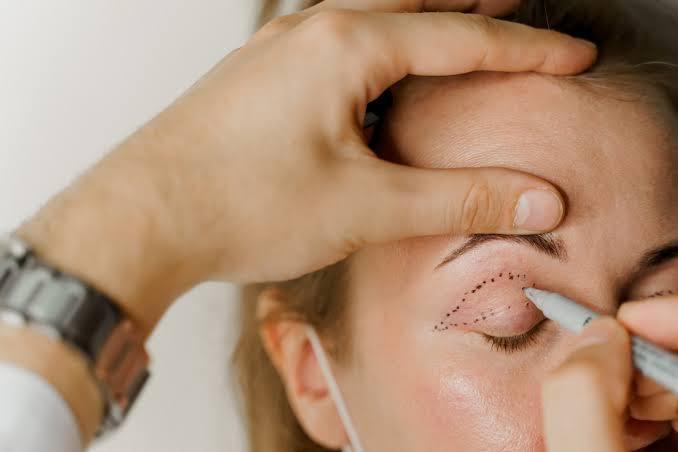
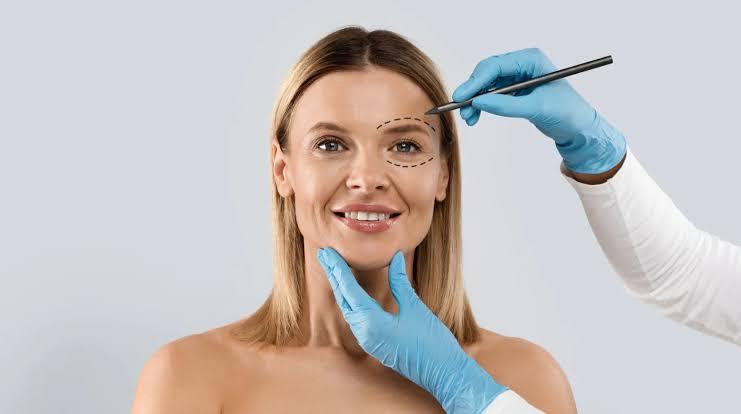
A detailed assessment is an important part of eyelid surgery planning. During this stage, the eyelid structure, skin condition, facial symmetry, and individual concerns can be reviewed.
The assessment may also involve discussing the person's expectations and determining whether upper eyelid surgery, lower eyelid surgery, or treatment of both areas is appropriate.
This process helps establish a clearer treatment pathway and ensures that the planned correction matches the individual's facial characteristics.
Recovery Time Depends on the Extent of Treatment
Recovery can vary depending on whether the upper eyelids, lower eyelids, or both areas are treated. A focused procedure involving one area may have a different recovery experience from a more comprehensive correction.
The body's natural healing process, the extent of tissue adjustment, and the surgical approach can all influence the recovery timeline. Most importantly, recovery expectations are discussed as part of the overall treatment plan rather than assumed to be identical for everyone.
Understanding the expected healing stages can help individuals plan their daily activities realistically.
The Benefits of Eyelid Surgery
Eyelid surgery can provide several aesthetic benefits when the treatment is appropriately planned. The goal is generally to create a fresher and more balanced appearance around the eyes while preserving natural facial character.
Potential aesthetic improvements may include:
- A more defined upper eyelid contour
- A refreshed appearance around the eyes
- Improved balance between the eyelids and surrounding facial features
- A smoother-looking lower eyelid contour
- A more harmonious appearance of the eye area
The specific outcome depends on the individual's anatomy and the type of correction performed.
Why Personalized Planning Is Important
A personalized treatment plan helps ensure that the procedure addresses the actual concern rather than applying a generalized technique. This is particularly important because the upper and lower eyelids have different anatomical characteristics.
Someone with excess upper eyelid skin may require a different approach from someone whose primary concern involves lower eyelid fullness. Another individual may benefit from addressing both areas as part of one coordinated plan.
Personalization therefore plays a central role in determining the scope and complexity of treatment.
Common Questions About Eyelid Surgery
Is Upper Eyelid Surgery Different From Lower Eyelid Surgery?
Yes. Upper eyelid surgery generally focuses on concerns involving the upper eyelid skin and contour, while lower eyelid surgery addresses issues affecting the area beneath the eyes. The techniques and treatment goals can therefore differ.
Can Both Eyelids Be Treated Together?
Both upper and lower eyelids can be addressed as part of a coordinated treatment plan when appropriate. The decision depends on facial anatomy, individual concerns, and the desired overall improvement.
How Is Eyelid Surgery Planned?
Planning usually begins with an assessment of the eyelids, surrounding facial structures, skin characteristics, symmetry, and treatment goals. These factors help determine the most suitable surgical approach.
Does Everyone Need the Same Eyelid Procedure?
No. Eyelid structure and aesthetic concerns vary considerably between individuals. The amount of correction, treatment area, and surgical technique may therefore differ from one person to another.
When Can the Final Appearance Be Appreciated?
The appearance develops gradually as the treated area heals. The early recovery period does not always represent the final result, so the overall appearance is generally evaluated after sufficient healing has occurred.
What Can Make Eyelid Surgery Dubai Price Different?
The Eyelid Surgery Dubai Price may vary according to the treatment area, surgical technique, degree of correction, individual anatomy, and whether the upper eyelids, lower eyelids, or both are treated. The complexity of the surgical plan is another important consideration. A personalized assessment provides a clearer understanding of what the procedure involves and why treatment plans can differ.
Conclusion
Eyelid surgery is not a one-size-fits-all procedure. Upper eyelid surgery, lower eyelid surgery, and combined eyelid correction each involve different considerations based on anatomy, tissue characteristics, treatment goals, and the level of refinement required. Understanding these factors allows individuals to approach the procedure with realistic expectations and a clearer appreciation of personalized treatment planning. A detailed assessment remains the most useful starting point for determining which approach best suits the eye area while supporting a balanced and natural-looking appearance.
