

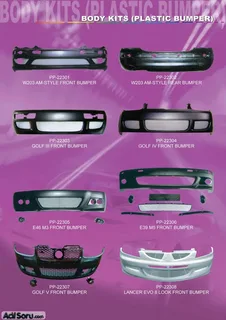

Body Kits A Practical Guide to Reshaping Your Car's Look
Few upgrades change a car's personality as quickly as a body kit. A new front bumper, a set of side skirts or a wider set of arches can turn a plain family model into something that turns heads. But a good result depends on more than picking the most dramatic design. This guide explains what body kits are, how they differ and what to think about before you spend money.
What a Body Kit Really Is
A body kit is a collection of aftermarket exterior panels made to alter the appearance of a vehicle. Parts may bolt on, bond on or replace factory components. Designs range from subtle lip additions to full conversions that redraw the car's silhouette.
Parts You Might Find in a Kit
-
Front bumper or splitter: Defines the face of the car and can improve airflow to the front.
-
Rear bumper or diffuser: Cleans up the back end and often integrates exhaust cut-outs.
-
Side skirts: Fill the gap between the wheels and visually lower the car.
-
Wheel arch extensions: Allow wider wheels and a more planted stance.
-
Spoiler or wing: Adds sporty character and, in some cases, downforce.
-
Hood vents or grille inserts: Optional extras for a more aggressive front end.
Not every kit contains all of these, so always check the listing carefully.
Materials and Their Trade-Offs
Fiberglass
Light and economical, with plenty of design options. It can crack under impact and often needs careful preparation before painting.
Polyurethane
Flexible and resistant to small knocks, which makes it suitable for everyday driving. It tends to weigh more and cost more than fiberglass.
Carbon Fiber
Very strong and light with a distinctive woven finish. It carries a high price tag and can be costly to repair.
ABS Plastic
robust and uniform in shape, which facilitates more precise panel fitting.
Style Directions
-
Subtle upgrade: Small lips, skirts and diffusers for a cleaner profile.
-
Sport-inspired: Shapes borrowed from performance models.
-
Widebody: Pronounced arches that cover much wider wheels.
-
Motorsport look: Large wings, deep splitters and aggressive vents.
-
Show build: One-off designs created for display and photography.
Your choice should suit both the car and how you use it. A very low front lip may look great but struggle on rough streets.
Why People Install Body Kits
-
To personalize a car and make it stand out
-
To achieve a lower, wider and more athletic stance
-
To pair with new wheels, suspension or paintwork
-
To refresh an older model with a modern look
-
To support performance goals when the parts are properly engineered
Keep in mind that most kits are cosmetic, and genuine performance gains require well-tested aerodynamic design.
Professional car detailing helps keep your vehicle clean, polished, protected, and looking its best inside and out.
Fitment and Quality Matters
Fitment is the biggest difference between a great kit and a frustrating one. Poorly made panels may have uneven gaps, warped edges and misaligned mounting points, leading to extra bodywork costs. Look for products made specifically for your exact make, model, year and trim. Read reviews and ask for photos of finished installations on cars like yours.
Budgeting Beyond the Price Tag
The kit itself is only part of the cost. Plan for:
-
Professional fitting and alignment
-
Priming, painting and clear coat
-
Mounting hardware and sealing
-
Wheel and tire upgrades if arches change
-
Possible suspension adjustments
Insurance updates
A cheaper kit that needs heavy correction can end up costing more than a better one.
Legal and Insurance Points
Rules about exterior modifications differ by country and region, and some changes may require inspection or approval. Inform your insurer about any modification, since failing to do so could affect your coverage. Check that lighting, license plate positions and visibility are not compromised.
Looking After a Body Kit
Wash gently by hand with a quality shampoo, and avoid harsh brush car washes. Apply wax or a ceramic coating to protect the paint. Check bolts and clips occasionally, and drive carefully over speed bumps, curbs and ramps. Repair any chips promptly to prevent cracks from spreading.
Frequently Asked Questions (FAQs)
1. What is a body kit?
It is a set of aftermarket exterior parts that change a car's appearance, such as bumpers, skirts and spoilers.
2. Do body kits make a car faster?
Usually not. Most are for appearance, although well-designed aerodynamic parts can help in specific situations.
3. How much does a body kit cost?
Costs vary by vehicle, material and design, and painting and installation add to the total.
4. Can I fit a body kit myself?
Small add-ons can be DIY, but larger kits are better handled by a professional body shop.
5. Which material should I choose?
Polyurethane suits daily driving, fiberglass offers value and carbon fiber suits premium lightweight builds.
6. Will a body kit affect my insurance?
It can. Tell your insurer about the modification and confirm how it affects your policy.
7. Do body kits change a car's resale value?
Tasteful, well-fitted kits can appeal to enthusiasts, but heavy modifications may narrow your buyer pool.
Final Thoughts
A well-chosen body kit can transform a car, but quality, fitment and honest budgeting decide whether you will be happy with the result. Research carefully, choose a style that suits your car and hire skilled installers.For more experience you may viist here and find professional detail about the detail.

