

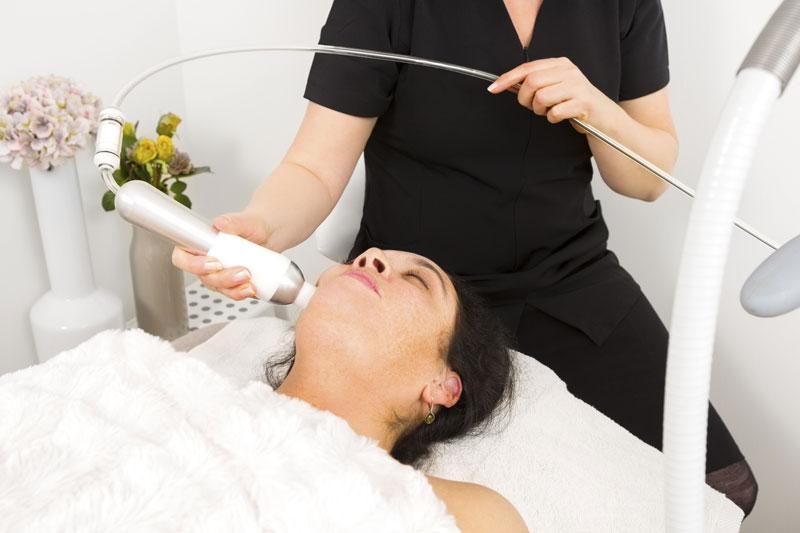
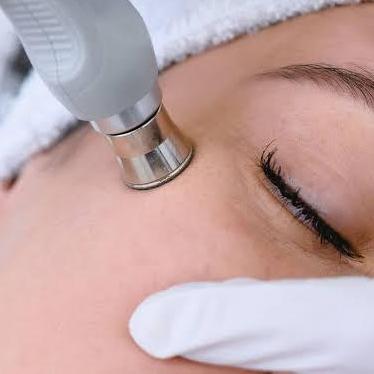
Q-switch laser technology is commonly associated with facial pigmentation, but its use is not limited to the face. Q-switch Laser Treatment in Dubai may also be considered for selected areas of the body where unwanted pigmentation or certain types of discoloration are present. Dynamic Clinic in Dubai provides information about this treatment for people exploring laser-based skin concerns. The suitability of treatment depends on the type, depth, location, and cause of the pigmentation.
Which Body Areas Can Be Treated?
Q-switch laser treatment may be used on different body areas when the pigmentation is suitable for laser-based management. The treatment approach is adjusted according to the thickness, sensitivity, and condition of the skin in the targeted area.
Common areas that may be assessed include:
- Arms and forearms
- Hands and fingers
- Legs
- Shoulders
- Back
- Chest
- Neck
- Certain areas affected by localized pigmentation
Not every discolored area should automatically be treated with a Q-switch laser. A proper skin assessment helps determine whether the pigmentation is appropriate for this type of treatment.
What Skin Concerns Can Q-Switch Laser Address?
Q-switch lasers produce short, high-energy pulses that can target pigment within the skin. The energy is absorbed by pigment particles, helping break them into smaller fragments that can gradually be cleared through the body's natural processes.
Depending on the cause and appearance of the pigmentation, treatment may be considered for concerns such as:
- Sun-related dark spots
- Certain forms of hyperpigmentation
- Freckles
- Uneven pigmentation
- Some post-inflammatory dark marks
- Localized areas of excess pigment
The exact response varies because pigmentation can develop for different reasons. Hormonal changes, inflammation, repeated sun exposure, skin injuries, and some medications can all contribute to discoloration.
Is Body Skin Different From Facial Skin?
Yes. Body skin can differ from facial skin in thickness, sensitivity, oil production, and pigmentation patterns. Areas such as the back and legs may have different treatment requirements from thinner or more delicate areas.
For this reason, laser settings should not simply be copied from facial treatment. Factors such as skin type, the depth of pigment, the location being treated, and the surrounding skin condition can influence the treatment plan.
Personalized settings are particularly important for people with medium to darker skin tones because excessive laser energy can sometimes increase the risk of unwanted pigmentation changes.
Can Q-Switch Laser Treat Dark Marks After Inflammation?
Some dark marks that develop after acne, irritation, injury, or inflammation may be considered for laser treatment. However, the cause of the pigmentation needs to be identified before treatment.
For example, if active inflammation is still present, treating only the resulting discoloration may not address the underlying problem. Continued irritation can also contribute to new pigmentation.
A professional assessment can help distinguish between post-inflammatory hyperpigmentation and other types of discoloration that may require a different approach.
What Factors Affect Treatment Results?
Results are influenced by several factors rather than the laser alone. Important considerations include:
- Type of pigmentation: Different pigment conditions can respond differently to laser energy.
- Pigment depth: Pigment located deeper in the skin may require a different treatment strategy.
- Skin tone: Darker skin may require particularly careful energy selection.
- Sun exposure: Ultraviolet exposure can stimulate additional pigmentation.
- Skin condition: Irritated or inflamed skin may not be suitable for immediate treatment.
- Aftercare: Following professional aftercare instructions can help support skin recovery.
These factors also explain why treatment schedules and outcomes can vary from one person to another.
How Should the Body Be Cared for After Treatment?
After Q-switch laser treatment, the treated skin may experience temporary redness, sensitivity, mild swelling, or changes in the appearance of pigmentation. These effects can vary depending on the treatment area and individual skin response.
Good aftercare generally focuses on protecting the treated skin and avoiding unnecessary irritation. Sun protection is especially important because ultraviolet exposure can worsen pigmentation and interfere with the skin's recovery.
People should also follow the specific instructions provided by their qualified treatment professional rather than applying strong exfoliants or active skincare products without guidance.
Does Every Body Pigmentation Need Laser Treatment?
No. A dark patch, spot, or area of uneven color does not automatically require laser treatment. Some pigmentation may improve with topical care, sun protection, or management of the underlying trigger.
New, rapidly changing, irregular, bleeding, or unexplained pigmented lesions should be medically assessed rather than treated cosmetically without an appropriate diagnosis. Identifying the cause of pigmentation is an important part of responsible treatment planning.
Conclusion
Q-switch laser treatment can be used on selected areas of the body, not only the face. It may be considered for certain forms of hyperpigmentation, sun spots, freckles, and localized discoloration when the skin concern is suitable for laser treatment. Because body areas differ in skin characteristics and pigmentation can have many causes, treatment settings and expectations should be individualized. A professional skin assessment remains important before beginning laser treatment, particularly for darker skin tones or pigmentation that has developed after inflammation.
