

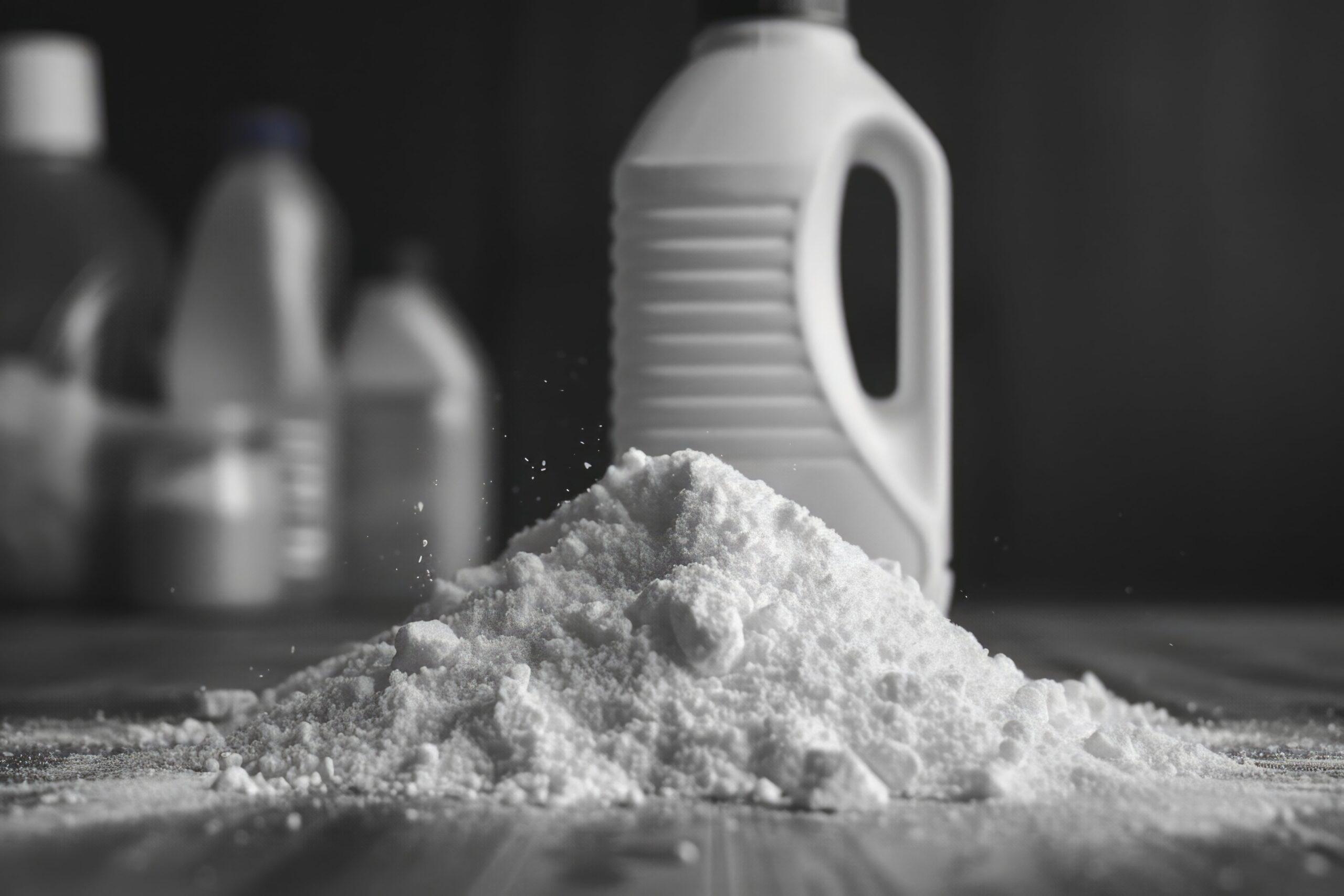
Cationic Softener Manufacturing Plant Project Report 2026: Raw Material Requirements and Investment Opportunities

IMARC Group's "Cationic Softener Manufacturing Plant Project Report 2026: Industry Trends, Plant Setup, Machinery, Raw Materials, Investment Opportunities, Cost and Revenue" report provides a comprehensive guide on how to successfully set up a cationic softener plant. The report offers clarifications on various aspects, such as unit operations, raw material requirements, utility supply, infrastructural needs, machinery models, labour necessities, transportation timelines, packaging costs, etc.
In addition to the operational aspects, the report also provides in-depth insights into cationic softener manufacturing process, project economics, encompassing vital aspects such as capital investments, cationic softener manufacturing plant cost, project funding, operating expenses, income and expenditure projections, fixed and variable costs, direct and indirect expenses, expected ROI, net present value (NPV), profit and loss account, and thorough financial analysis, among other crucial metrics. With this comprehensive roadmap, entrepreneurs and stakeholders can make informed decisions and venture into a successful cationic softener business plan and manufacturing unit.
What is a Cationic Softener?
Cationic softener is a water-soluble fabric conditioning agent that has a strong affinity for negatively charged fibers, including cotton, wool, and synthetic blends, making it a widely used additive in textile finishing, fabric care, and personal care formulations. When applied to fabrics, cationic softeners create a thin lubricating layer around individual fibers, delivering a smoother, softer, and more comfortable feel while helping reduce static electricity buildup, particularly in synthetic and blended materials. This coating also enhances fabric flexibility, improves drape and handle, and helps garments recover more effectively from wrinkles. In addition, cationic softeners can improve sewability and abrasion resistance, supporting fabric durability and overall finished-product quality. Their versatility and compatibility with different textile treatment processes make them important ingredients across various industrial applications. Beyond textiles, they are widely incorporated into hair conditioners, where their positive charge helps condition damaged hair, as well as detergents, leather finishing formulations, and paper coatings to improve softness, suppleness, and surface characteristics.
Market Trend and Drivers of Cationic Softener:
The cationic softener market is experiencing steady growth, driven by increasing demand from textile manufacturing, home care, industrial laundry, and personal care industries. APAC represents a major regional market, supported by its extensive textile production base and rising consumer expenditure on fabric care products. The continued expansion of the global textile and apparel sector, growing awareness regarding fabric maintenance and garment longevity, and increasing preference for premium softening solutions across household and commercial laundry applications are strengthening market demand. Furthermore, the rising incorporation of cationic softeners in hair care products, along with their growing use in leather treatment and paper coating, is creating additional and diversified growth opportunities. Ongoing advances in formulation technologies are also encouraging the development of biodegradable, environmentally responsible, and skin-friendly variants, particularly in response to increasingly stringent environmental standards and evolving consumer preferences.
Request a Sample Report: https://www.imarcgroup.com/cationic-softener-manufacturing-plant-project-report/requestsample
How to Setup a Cationic Softener Manufacturing Plant?
Setting up a cationic softener manufacturing plant requires evaluating several key factors — from cationic softener manufacturing plant cost and machinery requirements to operational efficiency and quality control. Some of the major considerations include:
- Detailed Process Flow: The cationic softener manufacturing process involves multiple stages, including esterification of fatty acids, quaternization to form the cationic compound, neutralization, homogenization and blending, quality testing, and packaging. Key aspects include unit operations, raw material requirements, reaction temperature control, and technical testing procedures.
- Site Selection: The plant location should provide easy access to raw materials such as fatty acids, fatty alcohols, and quaternizing agents, along with strong transportation infrastructure, reliable utility supply, and proximity to textile manufacturing hubs and personal care product manufacturers to reduce logistics costs.
- Plant Layout Optimization: An efficient layout is essential to streamline workflow, reduce material handling, and ensure worker safety. Separate zones for raw material storage, esterification and quaternization reactors, homogenization and blending, quality control laboratory, and finished goods storage and filling should be planned properly.
- Equipment Selection: Selecting durable and high-performance manufacturing equipment is crucial. Equipment may include esterification reactors, quaternization vessels, high-shear homogenizers and mixers, heat exchangers, filtration systems, and automated filling and packaging machinery for drums, IBCs, and bottles.
- Raw Material Sourcing: Reliable sourcing of fatty acids (such as stearic or tallow-derived acids), fatty alcohols, quaternizing agents, fragrances, dyes, and preservatives is necessary to maintain consistent product performance and stable production operations.
- Safety and Environmental Compliance: The facility must comply with industrial chemical safety standards and environmental regulations. Proper handling of quaternizing agents, fume extraction systems, wastewater treatment for surfactant-laden effluent, and biodegradability compliance for formulations should be implemented.
- Quality Assurance Systems: A strong quality management system should be established to ensure product viscosity, pH, active ingredient concentration, softening performance, biodegradability, and compliance with textile and personal care industry standards through regular laboratory testing and batch quality verification.
Requirements to Setup a Cationic Softener Plant:
- Funds
- Machinery
- Lands
Types of Costs to Setup a Cationic Softener Factory:
- Land, Location and Site Development Cost
- Plant Layout Cost
- Cationic Softener Plant Machinery Cost
- Raw Material Requirements and Costs
- Packaging Requirements and Costs
- Transportation Requirements and Costs
- Utility Requirements and Costs
- Human Resource Requirements and Costs
Project Economics:
- Capital Investments
- Operating Costs
- Expenditure Projections
- Revenue Projections
- Taxation and Depreciation
- Profit Projections
- Financial Analysis
Ask Analyst for Customized Report: https://www.imarcgroup.com/request?type=report&id=8525&flag=C
How IMARC Can Help?
IMARC Group is a global management consulting firm that helps the world's most ambitious changemakers to create a lasting impact. The company provides a comprehensive suite of market entry and expansion services. IMARC offerings include thorough market assessment, feasibility studies, company incorporation assistance, cationic softener factory setup support, regulatory approvals and licensing navigation, branding, marketing and sales strategies, competitive landscape and benchmarking analyses, pricing and cost research, and procurement research.
Services:
- Plant Setup
- Factory Auditing
- Regulatory Approvals, and Licensing
- Company Incorporation
- Incubation Services
- Recruitment Services
- Marketing and Sales
Contact Us:
IMARC Group
134 N 4th St. Brooklyn, NY 11249, USA
Email: [email protected]
Tel No:(D) +91 120 433 0800
United States: (+1-201971-6302)
