

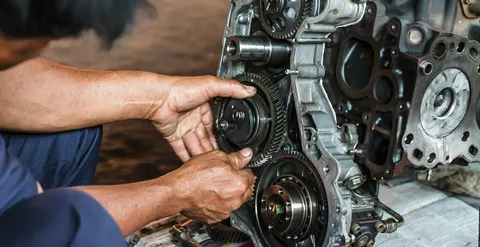

Engine and Transmission Services Can Prevent Bigger Problems
Your engine and transmission are two of the most important parts of your vehicle. The engine creates the power needed to move the car, while the transmission sends that power to the wheels. When either system develops a problem, you may notice changes in the way your vehicle starts, accelerates, shifts, or drives. Understanding these warning signs can help you take action before a small issue becomes a major repair.
Regular inspections and timely repairs can make a big difference in vehicle performance. Many drivers ignore unusual sounds, warning lights, fluid leaks, or changes in shifting because the car may still be running. However, these signs can indicate that something needs attention.
Choosing professional engine and transmission services when problems first appear can help identify the source of the issue and prevent additional damage. A proper inspection can also give drivers a clearer idea of what their vehicle needs instead of relying on guesswork.
Why Engine and Transmission Services Matter
Modern vehicles contain many connected components that work together every time you drive. The engine, transmission, electrical system, cooling system, and drivetrain all have important roles. If one system starts to perform poorly, other components may eventually be affected.
The engine needs proper lubrication, cooling, fuel delivery, and ignition to operate correctly. The transmission also needs the right fluid level and condition to transfer power smoothly. Neglecting basic maintenance can increase wear and may lead to expensive repairs.
Professional technicians can inspect these systems and look for signs of wear or damage. At Vince's Auto Repair, trained automotive professionals can help drivers understand potential vehicle problems and determine the appropriate repair or maintenance needs.
Warning Signs of Engine Trouble
One of the easiest ways to recognize a possible engine problem is to pay attention to changes in normal driving behavior. Your vehicle may give you several warning signs before a serious engine failure occurs.
Unusual Engine Noises
A healthy engine usually produces a consistent sound. New knocking, tapping, rattling, or grinding sounds should not be ignored. Different noises can point to different problems, including worn components, low oil levels, or other mechanical concerns.
The timing and location of the noise can also provide useful information. For example, a sound that appears only during acceleration may have a different cause from a noise that continues while the vehicle is idling.
Excessive Exhaust Smoke
Smoke coming from the exhaust can also indicate an engine issue. Different colors may point to different problems. Blue smoke may indicate oil consumption, while thick white smoke can sometimes be associated with coolant entering the combustion area. Black smoke may indicate that the engine is receiving too much fuel.
Any unusual or persistent smoke deserves attention, especially if it is combined with poor performance or unusual smells.
Loss of Power
If your vehicle struggles to accelerate or feels weaker than normal, there may be an engine-related issue. Problems with fuel delivery, ignition, air intake, sensors, or other components can affect power.
Drivers should not assume that reduced power is simply caused by an older vehicle. A professional inspection can help determine the actual cause.
Transmission Problems Drivers Should Watch For
The transmission is responsible for changing gears and transferring engine power to the wheels. Transmission problems can affect acceleration, fuel efficiency, comfort, and overall drivability.
Delayed Gear Changes
A noticeable delay when shifting from park into drive or reverse can be a warning sign. The vehicle may take several seconds before responding or may engage suddenly.
This can sometimes be related to fluid condition, internal wear, electronic controls, or other transmission components.
Hard or Rough Shifting
Gear changes should generally feel smooth. If your vehicle suddenly jerks, bangs, or hesitates during shifts, it may require inspection.
Hard shifting can become worse over time if the underlying problem is not addressed. Early attention may help prevent additional wear.
Slipping Gears
Transmission slipping can occur when the vehicle appears to change gears unexpectedly or struggles to remain in the correct gear. You may notice the engine speed increasing without a matching increase in vehicle speed.
This is an important warning sign because continued driving with a slipping transmission may increase internal wear.
Fluid Leaks
Transmission fluid leaks should never be ignored. A low fluid level can reduce lubrication and increase heat and friction inside the transmission.
If you notice fluid underneath your parked vehicle, have the source checked instead of simply adding fluid and continuing to drive.
How Fluid Condition Affects Vehicle Performance
Fluids play an important role in protecting mechanical components. Engine oil reduces friction and helps manage heat inside the engine. Transmission fluid provides lubrication and helps support proper gear operation.
Old, contaminated, or insufficient fluid can reduce system performance. However, fluid problems are not always solved by simply replacing the fluid. A technician may need to inspect for leaks, contamination, component damage, or other underlying problems.
Following the vehicle manufacturer's maintenance recommendations can help drivers keep fluid levels and conditions within appropriate ranges.
When Should You Schedule Engine and Transmission Services?
There is no single maintenance schedule that works for every vehicle. Service intervals can depend on the vehicle's age, mileage, model, driving conditions, and manufacturer recommendations.
Drivers who regularly deal with heavy traffic, frequent short trips, towing, extreme temperatures, or other demanding conditions may need more frequent inspections.
You should also consider an inspection whenever your vehicle develops a new symptom. Waiting until a car becomes difficult to drive can turn a manageable problem into a much larger repair.
Professional engine and transmission services can help identify problems early and give drivers useful information about the condition of their vehicle.
How Routine Maintenance Helps Prevent Major Repairs
Preventive maintenance is often less expensive and less stressful than emergency repairs. Simple steps such as checking fluid levels, replacing filters when required, inspecting belts and hoses, and following recommended service intervals can support long-term vehicle health.
Routine maintenance also gives technicians opportunities to identify worn or damaged parts before they fail completely.
For example, a small fluid leak may be easier to repair when discovered early. If the leak continues unnoticed, low fluid levels could contribute to additional component damage.
Maintenance should therefore be viewed as an investment in reliability rather than an unnecessary expense.
Why Professional Inspection Is Important
Many vehicle problems can produce similar symptoms. A rough idle could have several possible causes. A warning light could relate to a sensor, fuel system, ignition component, or another part.
Trying to replace parts without identifying the actual problem can waste time and money. Professional technicians use inspection methods and diagnostic equipment to narrow down possible causes.
Vince's Auto Repair can provide professional automotive attention for drivers who notice changes in vehicle performance. Having the vehicle properly evaluated can make it easier to understand what repairs or maintenance may be needed.
What Happens During an Engine and Transmission Inspection?
A professional inspection may begin with a discussion about the symptoms the driver has noticed. Details such as when the problem occurs, how often it happens, and whether it appears during acceleration or braking can help technicians identify possible causes.
The technician may then inspect fluid levels, visible components, hoses, connections, leaks, and other areas. Diagnostic equipment may also be used when electronic systems or warning lights are involved.
Depending on the findings, additional testing may be recommended. This approach helps avoid unnecessary repairs and provides a clearer understanding of the vehicle's condition.
Can Early Repairs Save Money?
Early repairs do not always prevent every major failure, but addressing warning signs promptly can reduce the chance of additional damage in many situations.
Consider a transmission fluid leak as an example. If the leak is discovered early, repairing the source may help maintain the correct fluid level. If the vehicle continues to operate with very low fluid, internal components may experience additional heat and friction.
The same principle applies to engine problems. A small issue involving lubrication, cooling, ignition, or another component may become more serious when ignored.
This is why drivers should pay attention to changes rather than waiting for a vehicle to stop working completely.
Simple Habits That Support Engine Health
Drivers can take several basic steps to support their vehicle between professional visits.
Check the owner's manual for recommended maintenance intervals and fluid specifications. Pay attention to warning lights and unusual sounds. Keep an eye out for leaks under the vehicle. Avoid ignoring changes in acceleration or shifting.
It is also useful to keep records of completed maintenance and repairs. These records can help technicians understand the vehicle's service history and help owners stay organized.
Regular maintenance combined with careful driving habits can contribute to better long-term reliability.
Frequently Asked Questions
1. What are common signs of an engine problem?
Common signs include unusual noises, excessive exhaust smoke, reduced power, rough idling, overheating, poor fuel economy, and warning lights. A professional inspection can help determine the exact cause.
2. What does a transmission problem feel like?
Transmission problems may cause delayed shifting, hard gear changes, slipping, unusual noises, hesitation, or difficulty engaging drive or reverse. These symptoms should be checked promptly.
3. How often should engine and transmission systems be inspected?
The recommended interval depends on the vehicle and its manufacturer's maintenance schedule. Driving conditions and vehicle age can also affect service needs.
4. Can low transmission fluid cause shifting problems?
Yes. Low transmission fluid can affect lubrication and hydraulic operation and may contribute to shifting problems. A leak should also be checked rather than simply adding fluid.
5. Should I keep driving when my check engine light comes on?
It depends on the warning and how the vehicle is operating. A flashing warning light or serious driving symptoms can indicate a more urgent problem. When in doubt, have the vehicle inspected as soon as possible.
Keep Your Vehicle Ready for the Road
Your vehicle depends on many systems working together, but the engine and transmission remain especially important to overall performance. Strange noises, shifting problems, fluid leaks, reduced power, warning lights, and unusual driving behavior should not be ignored.
Taking action when symptoms first appear can make it easier to identify problems and may help prevent additional damage. Regular inspections and maintenance can also support dependable performance over the life of the vehicle.
When your vehicle shows signs that something is not working normally, professional engine and transmission services can provide the inspection and attention needed to understand the problem. Vince's Auto Repair is one option drivers can consider when they need professional automotive service and guidance.

