


Hefty cargo certainly tests trailers to their limits. The constant loading/unloading process, rugged roads, sharp turns, the weight of cargo, and delivery distances make small issues come to light before they become major problems. In situations where trailers are in use in Lithonia, small trailer problems can soon grow into major headaches if a trailer has been loaded and parked or is waiting for a delivery.
This is why it is essential to know which repairs must be done right away. Trailer repair in Lithonia, GA service providers can provide fleet managers with solutions to their problems before they become bigger issues.
Start With Problems That Affect Safety
In case a few issues arise simultaneously with the trailer, safety should take precedence above all else.
Issues related to brakes, damaged tires, suspension, malfunctioning lights, and damage to the structure of the trailer may prove hazardous while traveling.
It is never wise to regard any of these problems as minor maintenance concerns just because the trailer is functioning well.
For example, worn brake components can reduce stopping performance when a trailer is carrying heavy freight. A damaged tire can fail under load, while suspension problems can affect how the trailer handles during turns or emergency maneuvers.
A faulty tire will eventually give way with the weight of the cargo, while suspension issues may impact handling. Once you have inspected the issue to establish whether it affects safe driving or compliance, you can make your decision.
Check the Trailer Floor and Structure
Heavy cargo puts a lot of pressure on the trailer floor. Forklifts, palletized loads, equipment, and handling processes can cause deterioration of the floor over time.
The following should be checked for:
-
Cracked and broken floorboards
-
Weak spots
-
Damaged cross members
-
Warped elements
-
Cracks near the doors or door frames
-
Loosened bolts
A damaged floor is not only an aesthetic issue; when the floor cannot carry the load, it affects the loading process and safety aspects as well.
Do Not Ignore Trailer Brakes
The brake system needs to be inspected on any heavy freight trailer.
This is because the trailer already has considerable weight on board. If the brake system has some faults and wear and tear, it will affect the stopping distance and the performance of the brakes.
Managers need to look out for any unusual sounds or braking that is not smooth, along with any issues with the air pressure or damage done to the brakes.
The drivers need to inform their managers of any issues they experience while driving. It is usually the driver who first notices anything wrong.
It would be a mistake to hold off repairs until after another shipment is delivered since this will just cause bigger problems in the end.
Inspect Tires Before Heavy Loads Go Out
Tire problems are one of the easiest ways for a trailer to become a roadside breakdown.
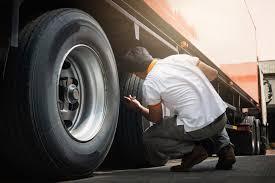
Before sending a trailer out with a heavy load, check tire condition and inflation. Look for uneven wear, visible damage, low pressure, tread problems, or signs that a tire has been repeatedly losing air.
Heavy freight adds more stress to tires, particularly when the trailer travels long distances or operates on rough roads.
A tire inspection does not take long, but catching a problem in the yard is much better than discovering it on the highway.
That is where dependable trailer repair Lithonia GA support can make a difference. If a trailer develops a tire or mechanical problem while away from the shop, mobile repair can help reduce the need to move the entire unit before work can begin.
Pay Attention to Suspension Problems
The suspension system helps support the trailer and keeps the load stable while the vehicle is moving.
Suspension issues can show up as uneven trailer height, unusual tire wear, abnormal movement, damaged components, or problems with how the trailer handles.
Heavy loads can make an existing suspension problem worse. If a fleet repeatedly places heavy freight on the same trailer, maintenance teams should pay close attention to recurring suspension concerns.
A quick inspection before dispatch can identify visible problems before they become a major breakdown.
Keep Trailer Doors and Loading Equipment Working
A trailer cannot do its job if freight cannot be loaded, secured, or unloaded efficiently.
Door hinges, latches, rollers, seals, and other hardware can wear out with repeated use. Damaged doors can slow down loading operations and may leave cargo exposed to weather or security risks.
For fleets moving freight through Lithonia and surrounding areas, these issues can create unnecessary delays at warehouses and customer locations.
Do not wait until a door completely fails. If a latch is becoming difficult to operate or a hinge is damaged, schedule the repair before it turns into a bigger problem.
Check Lights and Electrical Components
Lighting problems may seem small compared with structural or brake repairs, but they still matter.
Trailer lights help other drivers see the vehicle and understand when it is braking or changing direction. Faulty wiring, damaged connectors, broken lamps, and poor grounds can cause repeated lighting failures.
Drivers should check lights during pre-trip inspections and report recurring electrical problems.
If the same light keeps failing, replacing the bulb repeatedly may not solve the real issue. The wiring, connector, or other electrical component may need inspection.
Prioritize Repairs Around Your Freight Schedule
Fleet managers have to balance maintenance needs with delivery commitments.
Not every trailer repair requires the same response. A safety-related problem should be handled immediately, while a minor cosmetic issue may wait for a scheduled maintenance window.
One practical way to prioritize repairs is to divide them into three categories:
Immediate: Safety, braking, tire, structural, or compliance-related problems.
Soon: Repairs that could affect reliability or loading operations if ignored.
Scheduled: Cosmetic issues or minor repairs that do not affect safe operation.
This approach helps prevent repair spending from becoming reactive and keeps maintenance decisions connected to actual fleet needs.
Use Mobile Repair When Downtime Is the Bigger Problem
Sending a loaded trailer back to a repair facility is not always the most practical option.
If the trailer is sitting at a customer location, warehouse, or fleet yard, mobile repair may allow the problem to be addressed where the trailer already sits.
CS Truck & Trailer provides mobile trailer repair support that can help fleets respond to repair needs without automatically moving every trailer to a shop.
This can be especially useful when a trailer is loaded, disabled, or located away from the normal maintenance facility.
Keep Heavy-Freight Trailers Ready for the Next Load
Heavy freight will always put pressure on trailers. The goal is not to eliminate every repair. It is to catch problems early and make smart decisions about which repairs deserve immediate attention.
CS Truck & Trailer helps fleets handle mobile trailer repair needs when bringing a disabled unit into a shop would create unnecessary downtime.
For Lithonia fleets, dependable trailer repair in Lithonia, GA, support gives managers another option when a trailer needs attention without disrupting the entire operation. The right repair strategy keeps trailers working, freight moving, and costly downtime under control.
