

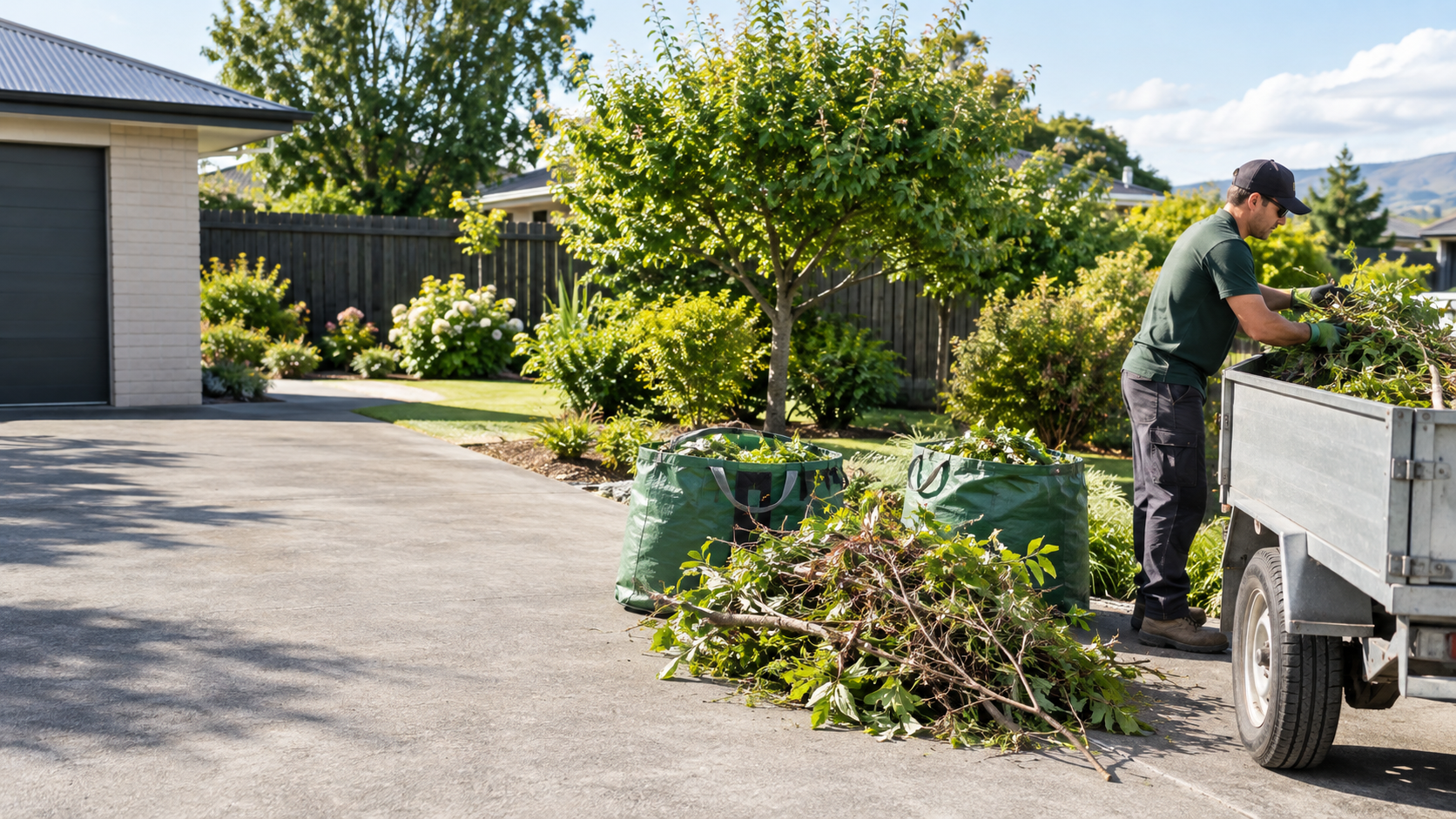
Garden Waste Removal in Christchurch Planning a Cleanup That Actually Finishes

A garden cleanup can feel almost complete while the largest practical problem remains in a pile beside the shed. Branches, leaves, hedge clippings and uprooted plants occupy space, make access awkward and delay the next stage of a project. For Christchurch households, planning waste handling before cutting begins helps turn a busy weekend into a finished result. It also prevents material being moved several times because no collection route was agreed.
Homeowners comparing garden waste removal in Christchurch should describe both the material and its location. Garden & Tree Men offers collection of green waste from garden and tree work. A useful enquiry includes photographs, access information and any mixed contents, so the provider can assess the job rather than quote from a vague description of a large pile.
Identify what is actually in the pile
Green waste commonly includes plant material such as leaves, branches and grass clippings. A garden project can also produce soil, stones, old timber, wire, plastic pots and building debris. These materials may need different handling. Do not assume that everything removed from an outdoor space belongs in the same disposal stream. Separate the categories when it is safe and practical, or explain clearly that the pile is mixed.
Describe heavy or bulky items individually. A bag of loose leaves is different from a wet bag of soil or a dense root mass. Branch lengths and the presence of large logs can affect equipment and handling. Photographs from more than one angle are useful, especially when material is stacked tightly. Include an object for scale where appropriate, while keeping people away from unstable piles.
If you suspect contamination or hazardous material, stop and disclose it before arranging ordinary collection. Do not ask a garden crew to handle unknown substances hidden among plant debris. Old sheds and previous landscaping can leave material that needs specialist identification. A clear description protects the quote from misunderstanding and helps ensure the correct provider or disposal route is used.
Distinguish routine waste from project waste
Routine mowing and light trimming may produce a volume the household can manage through its usual arrangements. A major hedge reduction or tree removal can generate much more. Planning according to the expected volume is better than waiting until normal bins are overwhelmed. Ask the garden provider what material the proposed work will create and whether removal is already included.
One-off projects often involve several waste streams. A bed renovation may include plant debris, edging and unsuitable fill. A pre-sale tidy can uncover stored household items as well as vegetation. Keep the scope clear by separating garden material from other rubbish. If a provider can handle more than one category, ask for confirmation rather than assuming a green-waste service includes everything on the property.
Recurring garden visits can reduce the accumulation of material, but the arrangement must specify removal. A contractor may leave suitable clippings for a planned use or remove them as part of the visit. Either approach can work when agreed. Problems arise when the household expects a cleared site while the provider assumes material will remain for composting or later collection.
Decide what can stay with a purpose
Some plant material can be useful within the garden, depending on its condition and how it will be managed. Leaves may support a composting or leaf-mould system, while suitable woody material may be processed for mulch. The important word is suitable. Unknown disease, invasive plants or contamination can change the decision. Do not retain everything merely because it is organic.
Consider the available space and the household's capacity to manage retained material. A large pile of branches is not automatically useful mulch. It may require processing, movement and an appropriate destination. If you do not have the equipment or time, removal can be the more practical option. Retention should reduce waste through an actual plan rather than leave a new project that never begins.
Composting also needs appropriate management. Mixing materials, maintaining the system and choosing what enters it matter more than simply leaving a heap behind the garage. If you are new to composting, start at a scale you can manage and get advice on unsuitable materials. A garden cleanup should support the household's routine, not impose a composting workload it cannot realistically sustain.
Plan around access and handling
The distance between the waste and the collection vehicle can affect the job substantially. A pile beside a driveway differs from material behind a house reached through a narrow passage. Tell the provider about gates, steps, slopes and soft surfaces. If access passes through a planted area, discuss how it will be protected. These details help explain cost and equipment requirements.
Do not move heavy material simply to make the quote appear easier. Ask whether relocating it is necessary and whether the provider can gather it from its current position. Garden & Tree Men's website describes gathering material as part of its service, but the exact scope should still be agreed for your property. Avoid assuming every pile and access situation requires identical preparation.
Keep the collection route clear of portable items and ensure gates can be opened as arranged. If parking is restricted, discuss loading options before the visit. On a Christchurch property in Papanui or Richmond, street and driveway access may be a larger constraint than garden size. Another property may offer easy loading but a long internal route. The actual site should determine the collection plan.
Coordinate cutting and collection
If pruning or trimming is booked, agree whether material will be removed during that visit or collected later. A combined plan can reduce repeated handling, but it should be stated in the quote. Ask whether larger wood, fine clippings and material caught in beds are all included. The final condition of the site matters as much as the removal of the most obvious pile.
For households with several garden jobs, regular or one-off garden maintenance can be discussed alongside waste handling. Garden & Tree Men offers both types of work, allowing the cutting, clearing and collection sequence to be defined together. A coordinated scope helps prevent new debris being added after the removal visit or a finished garden being disrupted by another round of handling.
When separate providers are involved, establish a handover. The gardener should know how material must be left, and the collector should know when the work is complete. Confirm who will clear scattered debris and who will protect the loading route. Without this agreement, each provider may reasonably assume the other is responsible for the final cleanup.
Handle storm material as a different situation
After wind damage, fallen material may be connected to a tree that still needs assessment. A branch on the ground can look like ordinary waste while another limb remains suspended above it. Do not begin collection beneath unstable growth. Keep people away and arrange appropriate tree assessment first. The order should be safety, stabilisation where needed and then cleanup.
Contact the relevant emergency or electricity service if lines are involved or there is immediate danger. Stay clear of fallen or damaged lines and vegetation touching them. Do not assume a green-waste collection appointment authorises work around electrical infrastructure. Specialist coordination may be necessary before material can be handled. A useful provider will distinguish a collection task from a tree or utility hazard.
Photograph damage only from a safe position. Include information about access and what has changed since the event. If the situation worsens, update the provider before the appointment. A storm-related scope may need revision after assessment, so agree how additional work will be discussed and authorised. Avoid treating an initial collection estimate as a complete plan for every consequence of the damage.
Make responsible disposal a practical question
Ask how the material will be handled and whether recycling or composting is suitable for the load. Garden & Tree Men states that it uses green-waste recycling facilities where possible. Keep that qualification in mind rather than assuming every material follows an identical route. Different contents and facility acceptance requirements can affect the outcome.
If you use a facility yourself, check its current accepted materials and preparation requirements before travelling. Soil, treated timber, plastic and some problem plants may be handled differently from ordinary clippings. A clean separated load is easier to assess. Do not rely on an old list or another household's experience where the rules could have changed.
Never treat a roadside verge, reserve or drainage area as a disposal option. Moving the pile out of sight does not complete the garden project. It can create obstruction, spread unwanted vegetation and leave others to deal with the material. The removal plan should identify a legitimate route and leave the property ready for its next use.
Compare quotes using the same description
Provide the same photographs and details to each provider. Include material type, approximate volume, location, access and whether collection includes gathering scattered debris. Ask how the volume will be assessed and what happens if the actual load differs from the initial description. A quote based on a small accessible pile cannot be compared fairly with one covering a whole-property cleanup.
Clarify exclusions and additional handling before accepting. Mixed waste, difficult access or unusually heavy material may change the price. Ask whether GST is included and whether disposal is part of the quoted total. You should understand what constitutes completion. The phrase waste removed can leave room for disagreement if one person expects a swept path and another expects only the main pile to be loaded.
Avoid choosing solely on a low starting rate without understanding the scope. A useful price reflects the actual job and allows the work to finish properly. If the budget is limited, discuss priorities or staged collection. Removing the material that obstructs access first may be more practical than attempting to clear every corner under a vague, underfunded instruction.
Protect the garden during cleanup
Discuss fragile plants, irrigation and surfaces along the route. Mark or explain features that may be hidden by debris. If the ground is wet, consider whether the method or timing needs adjustment. A cleanup that leaves severe ruts or damaged planting creates another task. The provider should assess how to handle material while preserving the rest of the property where reasonably possible.
Keep children and pets outside the work area and let the crew manage machinery and loading. Do not pull branches from an unstable stack while others are handling it. If you want to help with simple preparation, ask what is suitable before the visit. The work is easier to coordinate when everyone has a clear role rather than several people moving material unpredictably.
After collection, inspect the area and note any remaining work. A previously hidden bed may need weeding or restoration, and an old storage corner may need a new purpose. Decide how it will be maintained so it does not become the next accumulation point. The removal is most useful when it leads to a space the household can keep accessible.
Reduce repeated accumulation
Plan future garden tasks with waste volume in mind. A regular light hedge trim may produce material more manageable than an occasional heavy reduction, although the schedule still needs to suit the plants. Arrange collection before a large project rather than after every available corner is full. Keep routine waste streams separate so a small ongoing task does not become a mixed cleanup.
Review what creates the most waste and whether the garden's design contributes to it. Plants repeatedly forced into a space that is too small can generate frequent cutting and disposal. A staged change to suitable planting may reduce future workload. This requires thoughtful planning, because existing plants can provide useful shade and privacy. The goal is manageable growth rather than removing every plant that needs attention.
Check collection arrangements when you will be away
If collection is arranged while the household is out, confirm the accessible material and the permitted route in advance. Photographs can help distinguish the agreed pile from logs or plants you intend to keep. Secure pets and provide only the access information needed for the job. Ask how the provider will contact you if the load differs from the description.
Avoid leaving an open-ended instruction to take anything that looks unwanted. Old pots, plant supports or retained wood may have a purpose that is not obvious to the crew. Clear identification protects those items and makes collection more efficient. A brief completion message or agreed photograph can then show that the specified area has been cleared without requiring the household to be present throughout.
For Christchurch gardens, a finished cleanup depends on clear material identification, suitable access and an agreed disposal route. Households in the company's confirmed Kaiapoi and Rangiora service area can use the same planning approach. To arrange collection or combine it with other garden work, request a green-waste removal quote from Garden & Tree Men with photographs and a description of what the site should look like when the job is complete.
