

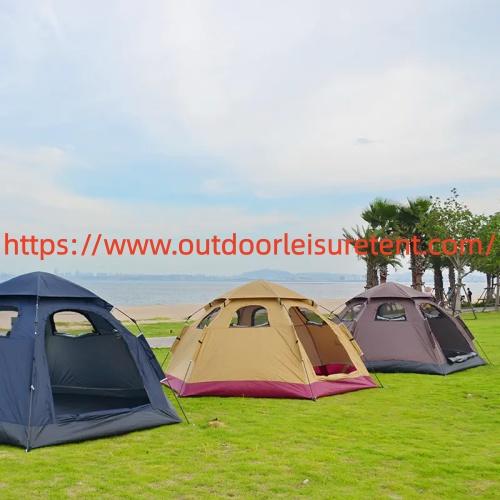

Canopy Manufacturer teams often focus on fabric and frame choices that handle rain wind and sun without rapid wear. Selecting the right combination starts with understanding how each material responds to moisture UV rays and mechanical stress during regular outdoor use.
Polyester remains a frequent base for many outdoor shelters because it balances weight strength and cost. When coated with polyurethane or PVC it forms a barrier that sheds water rather than absorbing it. The coating thickness matters. A heavier layer tends to last longer under repeated rain while still allowing the fabric to fold for storage. Polyethylene offers another option especially in heavier weights. It resists mildew and holds color well under sunlight yet it can feel stiffer in cold weather. Both materials benefit from UV inhibitors mixed into the polymer during production. These additives slow the breakdown that occurs when fabric sits in direct sun for months.
Frame materials play an equal role. Aluminum alloys appear often because they stay light and resist rust. Anodized finishes add another layer of protection against salt air and humidity. Steel frames provide greater rigidity for larger spans and can be powder coated to limit corrosion. The joint design also affects weather performance. Reinforced corners and cross braces reduce the chance that wind will twist the structure out of shape. When the frame stays square the fabric remains taut and less likely to collect water in pockets.
Seams require careful attention. Heat sealed or double stitched seams with waterproof tape keep water from seeping through the joining lines. Zippers and attachment points need similar treatment. Covered zippers or storm flaps prevent rain from entering through openings. Ground anchors and weights complete the system by keeping the entire unit stable when gusts rise.
Maintenance habits influence how long these materials continue to perform. Rinsing the fabric after dusty or salty conditions removes particles that can abrade the coating. Storing the shelter dry and loosely folded prevents creases from becoming permanent weak spots. Checking frame connectors for looseness after each use helps catch small issues before they grow.
Mansen applies these material principles across its range of outdoor shelters. The company tests fabric samples under accelerated weathering cycles to confirm coating integrity and color retention. Frame sections undergo load testing to verify they hold shape under simulated wind pressure. These steps help ensure that finished units meet expected performance levels in varied climates.
Users in coastal regions often prefer heavier polyethylene with thicker UV packages because salt air and intense sun accelerate wear. Inland users dealing mainly with rain and moderate wind may find coated polyester sufficient and easier to transport. Event planners who move shelters frequently value lighter aluminum frames paired with quick release joints. Fixed installations benefit from steel frames that stay put through seasonal changes.
Color choice also affects heat absorption. Lighter shades reflect more sunlight and keep the interior cooler while darker tones may offer stronger visual impact for branding. Either way the base polymer and coating remain the primary factors in weather resistance.
When selecting a shelter it helps to match material specifications to the expected conditions. Checking the fabric weight coating type and frame alloy gives a clearer picture of suitability than relying on general descriptions alone. Proper setup and periodic care further extend the useful life of the unit.
For those ready to review current options the full product range appears at https://www.outdoorleisuretent.com/product/ where material details and size configurations can be compared directly.
