

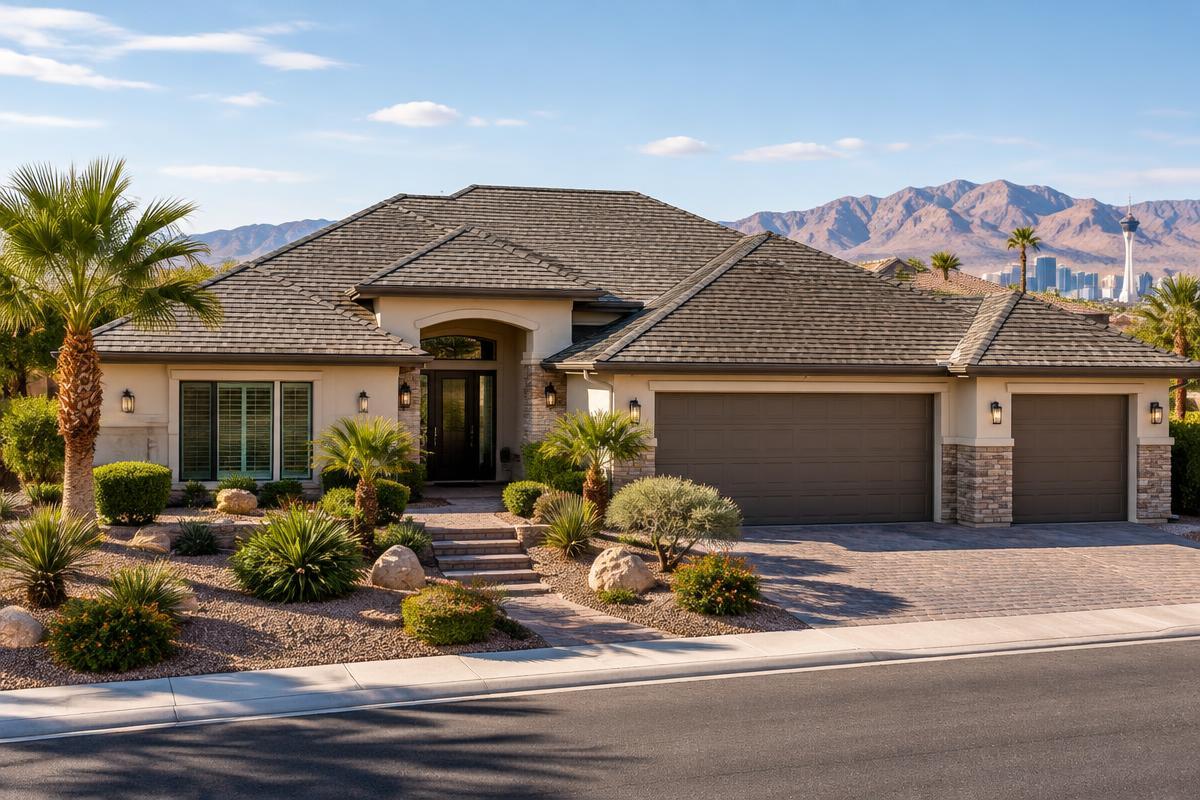
What Should Homeowners Know Before Replacing an Architectural Shingle Roof in Las Vegas, NV?

Architectural shingles are a popular roofing option for homeowners who want a combination of durability, dimensional appearance, and practical protection. However, replacing an existing roof involves more than selecting a shingle color and scheduling installation. The condition of the underlying roof, the quality of the installation, the local climate, and the preparation process can all influence the performance of the finished roofing system.
In Las Vegas, NV, intense sunshine, prolonged summer heat, and occasional strong winds make roof replacement an important home maintenance decision. Architectural shingles can be a suitable choice for many residential properties, but homeowners should understand their limitations, installation requirements, and long-term maintenance needs before committing to a reroofing project.
Knowing what to evaluate before work begins can help property owners make informed decisions, avoid preventable problems, and establish realistic expectations for their new roof.
How Do Architectural Shingles Differ From Traditional Roofing Shingles?
Architectural shingles, sometimes called dimensional or laminated shingles, are manufactured with multiple bonded layers that create a more textured appearance than traditional three-tab shingles. Their varying shapes and shadow lines can give a roof greater visual depth while maintaining a familiar residential roofing style.
Traditional three-tab shingles generally have a flatter, more uniform appearance. Architectural products often have a heavier construction and may offer different wind-resistance ratings, warranties, and design options, depending on the manufacturer and product specifications.
These differences matter when planning a roof replacement. Homeowners should compare the actual performance ratings and installation requirements of the products under consideration instead of assuming every architectural shingle provides the same level of protection.
Color is another consideration. Darker shingles may absorb more solar energy than lighter alternatives, although overall roof temperature also depends on ventilation, insulation, roof design, and the roofing system's construction. In a hot desert environment, these factors deserve attention during material selection.
The objective is not simply to choose a visually appealing product. It is to select a roofing system that fits the home's structure, environmental conditions, appearance, and maintenance expectations.
Why Does the Las Vegas Climate Matter During Roof Replacement?
The desert climate presents several challenges for residential roofing. Understanding them helps homeowners recognize why product selection and installation practices deserve careful attention.
Prolonged sunlight and high temperatures
Las Vegas experiences intense sunlight and extended periods of high summer temperatures. Repeated exposure to ultraviolet radiation and heat can contribute to the aging of roofing materials over time.
Shingle formulations vary, so homeowners should review manufacturer specifications for the intended climate and application. They should also understand the difference between a product's stated service expectations and a guaranteed lifespan. Actual performance depends on installation quality, ventilation, exposure, and ongoing maintenance.
Temperature-related material movement
Roofing components expand and contract as temperatures change. Although architectural shingles are designed for outdoor use, the complete roofing assembly must be installed according to the manufacturer's instructions to accommodate normal environmental conditions.
Incorrect fastening, unsuitable underlayment, or poorly detailed roof edges can undermine the performance of otherwise appropriate materials.
Wind and seasonal weather changes
Strong winds can expose weak points around roof edges, ridges, flashing, and other transitions. Even when shingles appear intact from the ground, lifted edges or damaged seals may warrant closer inspection.
Homeowners should ask how the proposed roofing system addresses wind exposure and whether the selected product's rating is appropriate for the property's requirements.
What Should Be Inspected Before Installing New Architectural Shingles?
A successful reroofing project begins with an assessment of the existing roof. Installing new shingles over an inadequately evaluated structure can leave underlying problems unresolved.
The inspection should examine the visible roofing surface, roof penetrations, flashing, drainage features, and accessible areas of the roof deck. Signs of deterioration, previous repairs, or moisture intrusion may indicate that additional work is necessary.
Roof deck condition
The roof deck provides the structural surface to which roofing materials are attached. If sections are deteriorated, weakened, or damaged by moisture, simply covering them with new shingles will not correct the underlying problem.
A qualified roofing professional should identify questionable areas and explain whether repairs or replacement of affected decking are needed. Homeowners should understand how any additional work will be documented and priced before proceeding.
Flashing and roof penetrations
Flashing helps direct water away from vulnerable transitions around chimneys, vents, walls, and other roof features. Improperly installed or deteriorated flashing can allow water to enter even when the surrounding shingles appear serviceable.
During reroofing, these details deserve particular attention because the old roofing surface may conceal defects that become apparent only after removal.
Existing layers and removal requirements
The number and condition of existing roofing layers can affect the scope of the project. Depending on the roof's construction, applicable requirements, and manufacturer instructions, removing the old materials may be necessary to inspect the deck and prepare a suitable surface.
Homeowners should ask what removal method is proposed, how debris will be handled, and whether concealed damage could change the project's scope.
How Can Homeowners Evaluate an Architectural Shingle Reroofing Contractor?
Choosing a contractor requires more than comparing the lowest estimate. The quality of the finished roof depends on appropriate preparation, correct installation, careful detailing, and clear communication throughout the project.
Homeowners researching Complete Architectural Shingle Reroofing in Las Vegas, NV can use the specific scope of this service as a starting point for understanding what a residential reroofing project should address. The important next step is to establish exactly what the proposed work includes and how the contractor intends to complete it.
Consider the following questions when reviewing estimates:
-
Does the proposal identify the architectural shingle product, color, and relevant performance ratings?
-
Does it explain whether existing shingles will be removed?
-
Are underlayment, flashing, roof-edge details, and ventilation considerations addressed?
-
How will damaged decking or concealed problems be handled if discovered?
-
What provisions cover cleanup, disposal, and protection of the surrounding property?
-
Are workmanship coverage and manufacturer warranty terms clearly explained?
-
Does the contractor meet the applicable licensing and insurance requirements?
Written answers make it easier to compare proposals on an equivalent basis. One estimate may appear less expensive because it excludes work that another contractor has included. Understanding these differences helps homeowners evaluate overall value rather than focusing exclusively on the initial price.
Which Installation Details Have the Greatest Impact on Roof Performance?
Even high-quality shingles can underperform when installed incorrectly. Architectural shingle systems depend on several components working together, so the installation process should follow the applicable manufacturer specifications.
Correct fastening
Shingles must be secured using the specified fastener type, placement, and installation method. Incorrect nail positioning or insufficient fastening can compromise wind resistance and may affect warranty eligibility.
Fasteners should also be suitable for the roofing application and installed without damaging the shingles.
Underlayment and water management
Underlayment provides an additional protective layer beneath the shingles. The appropriate material and installation method depend on the roofing system, roof slope, product requirements, and applicable building provisions.
Valleys, penetrations, and roof edges require careful detailing because water can concentrate or enter through poorly protected transitions. A complete reroofing plan should address these areas instead of concentrating only on the visible shingle surface.
Ventilation and attic conditions
Attic ventilation can influence moisture management and roof-system temperatures. However, ventilation must be considered alongside insulation, air sealing, and the building's overall design.
Adding vents without evaluating the existing airflow may not solve an attic problem. Homeowners should ask whether the current configuration is adequate and whether any recommended changes are appropriate for the particular structure.
Flashing integration
New shingles should integrate properly with flashing and adjacent building materials. Reusing damaged components without evaluation can leave weak points in the completed roof.
A careful installation plan identifies which components will be replaced, which can remain, and how the finished system will manage water around vulnerable transitions.
What Should Homeowners Expect During the Reroofing Process?
Understanding the project sequence helps homeowners prepare their property and communicate effectively with the contractor.
The work commonly begins with site preparation, material delivery, and protection of landscaping or nearby surfaces. Existing roofing materials may then be removed, exposing the roof deck for inspection. Any necessary repairs should be addressed before the new roofing system is installed.
After the deck is prepared, the crew installs the specified protective layers, flashing components, and architectural shingles according to the agreed scope and product requirements. Ridge details, roof penetrations, and edges receive attention as the installation progresses.
Cleanup and a final inspection should follow. Homeowners can ask how the contractor checks for loose materials, leftover fasteners, installation defects, and incomplete details.
Reroofing can also create temporary noise, debris, and access limitations. Moving vehicles away from the work area, securing fragile outdoor items, and keeping children and pets away from the active site can reduce avoidable disruptions.
The schedule depends on roof size, complexity, weather, material availability, and the condition of the existing structure. A contractor should provide a reasonable project timeline while explaining circumstances that could require additional time.
How Can Homeowners Maintain a New Architectural Shingle Roof?
Although a new roof reduces the need for immediate repairs, periodic maintenance remains important. Routine observation can help identify developing problems before they affect larger sections of the roofing system.
Homeowners should watch for visible signs of damage, displaced shingles, deteriorated flashing, and debris accumulation in roof drainage areas. After significant wind events, a professional inspection may be appropriate if damage is suspected.
Attic checks can also reveal warning signs, including unexplained moisture, staining, or changes in ventilation conditions. These observations do not always identify the source of a problem, so suspected defects should be evaluated rather than addressed through guesswork.
Walking directly on shingles is generally best avoided unless necessary work is performed by someone equipped to do it safely. Roof access presents fall risks and can damage roofing materials, particularly under unsuitable temperature conditions.
Keep records of the installation date, shingle product, warranty documentation, contractor agreement, and any subsequent repairs. These details can help when arranging maintenance or investigating a future concern.
How Can Homeowners Make a Confident Reroofing Decision?
Replacing architectural shingles is an opportunity to address existing roofing weaknesses and improve the overall condition of a home's protective covering. The best results come from combining suitable materials with a properly evaluated roof deck, careful installation, and realistic maintenance expectations.
For Las Vegas homeowners, climate considerations should inform material selection and project planning, but they should not replace a thorough assessment of the individual property. Roof slope, existing construction, ventilation, exposure, and product specifications all influence which solution makes sense.
Before approving a proposal, compare the written scope, confirm the relevant contractor credentials, review warranty conditions, and ask how unexpected repairs will be handled. Clear communication at the beginning can reduce misunderstandings and make it easier to assess the finished work.
A well-planned architectural shingle reroofing project is not defined by appearance alone. It is defined by the quality of the entire roofing system, the suitability of its components, and the care taken to install them correctly. By evaluating these factors before work begins, homeowners can make a more informed decision about protecting their property for the years ahead.
More details are available at: Local Business Directory
