

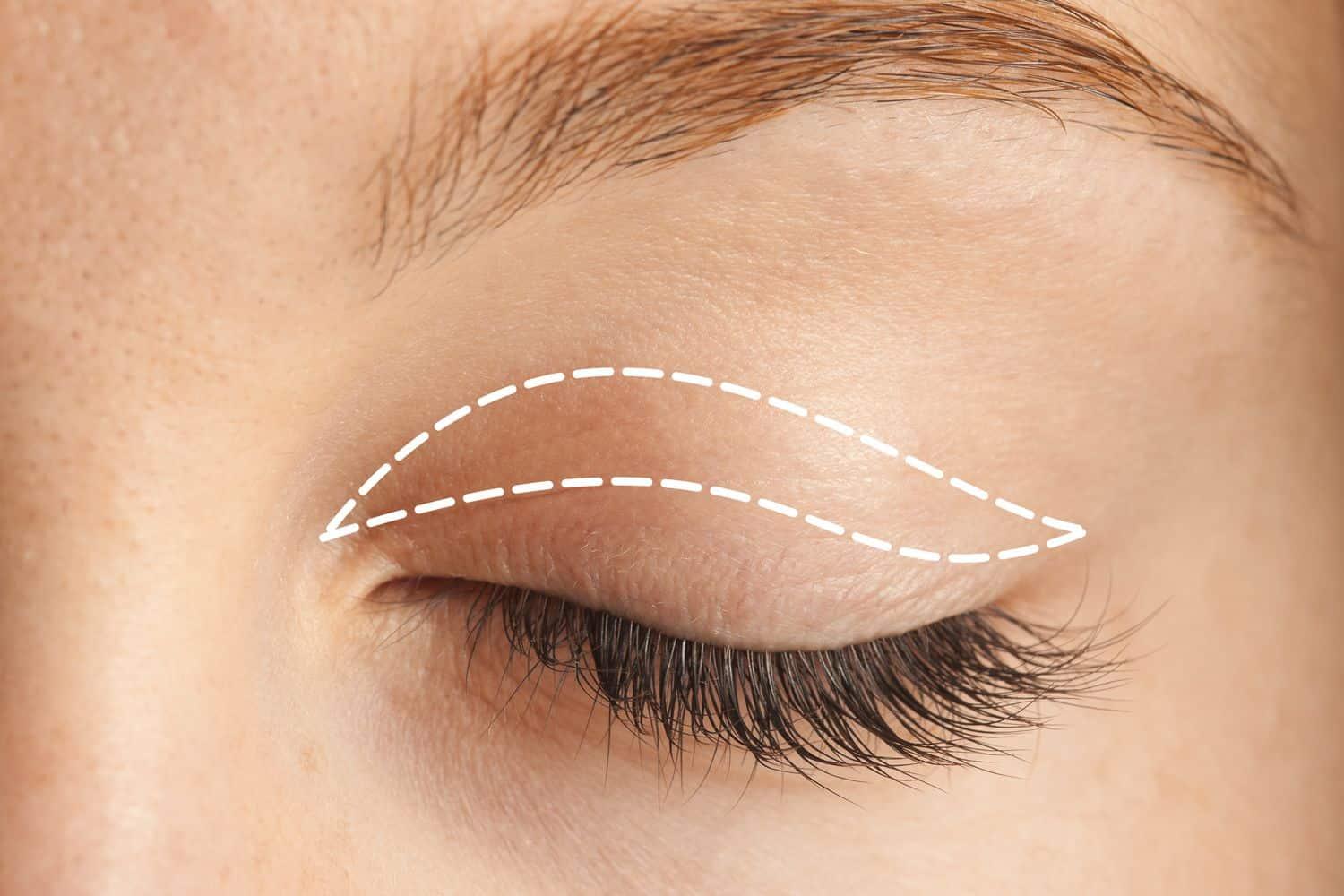
Eyelid Surgery in Islamabad: What Determines Whether Fat Should Be Removed or Preserved?

Under-eye bags and heavy-looking eyelids can make a person appear tired, even when they feel well-rested. In some cases, these concerns are related to fat around the eyes becoming more prominent. However, removing that fat is not always the best solution.
During Eyelid Surgery in Islamabad, surgeons must decide whether excess fat should be removed, repositioned, or preserved. The choice depends on the patient's anatomy, skin condition, facial proportions, and desired outcome. Understanding these factors helps patients make informed decisions about eyelid surgery.
Why Is Fat Important Around the Eyes?
Fat around the eyes serves an important purpose. It cushions the eyeballs, supports the surrounding structures, and contributes to the natural contour of the upper and lower eyelids.
As people age, changes in the tissues supporting these fat compartments can make them appear more prominent. This may create upper eyelid fullness or the familiar bags beneath the eyes.
The presence of visible fat does not automatically mean it should be removed. Some patients have naturally fuller eyelids, while others experience age-related changes that alter the distribution of fat and surrounding tissues.
When Do Surgeons Consider Fat Removal?
Fat removal may be considered when prominent fat contributes to a heavy or bulging eyelid appearance. In selected patients, removing a carefully measured amount can help create a smoother contour.
For example, a patient with noticeable lower eyelid bags may benefit from a procedure that addresses the fat responsible for the bulge. The surgeon must still evaluate the skin, eyelid support, and transition between the lower eyelid and cheek.
Conservative fat removal is important for maintaining a natural appearance. Removing too much can leave the area looking hollow or make age-related changes more noticeable rather than improving the overall contour.
When Is Preserving Eyelid Fat the Better Option?
Preserving fat may be preferable when the patient already has limited volume around the eyes or when removing additional fat could create a sunken appearance. This consideration is especially relevant for people with naturally hollow under-eyes or reduced fullness in the area between the eyelid and cheek.
In these cases, the goal may be to improve the distribution of existing fat rather than simply reduce its amount. A surgeon may preserve most of the fat or consider repositioning selected fat compartments, depending on the patient's anatomy.
Preserving volume can be just as important as reducing excess fullness. A balanced result depends on the relationship between the eyelids and surrounding facial features, not on removing the maximum possible amount of tissue.
What Is the Difference Between Fat Removal and Fat Repositioning?
Fat removal involves taking away a selected amount of fat to reduce excessive fullness. Fat repositioning, on the other hand, involves moving existing fat to a different location to improve the contour around the eyes.
Lower eyelid fat repositioning may help soften the transition between the lower eyelid and cheek in suitable patients. It can be considered when a prominent fat bulge sits above a noticeable hollow or groove.
The two techniques address different anatomical needs. Neither approach is automatically superior, and some patients may be suitable for one method while others may benefit from a different surgical plan.
How Does Skin Quality Influence the Decision?
Skin quality is another important consideration during eyelid surgery. Thin skin, reduced elasticity, wrinkles, and excess skin can all influence how the eyelid appears before and after treatment.
A patient with prominent fat and reasonable skin quality may need a different approach from someone who has both fat bulging and substantial skin laxity. In selected cases, the surgeon may consider skin removal alongside carefully planned fat treatment.
Treating fat alone may not address every eyelid concern. A comprehensive assessment helps determine whether the main issue involves fat, skin, muscle, eyelid support, or a combination of these factors.
Eyelid Surgery in Islamabad: What Factors Guide the Decision?
When planning Eyelid Surgery in Islamabad, the surgeon considers the patient's individual anatomy and the changes needed to achieve a balanced result. The decision should be based on an examination rather than a standard approach used for every patient.
Several factors can influence whether fat should be removed or preserved:
- Amount of fat fullness: The surgeon assesses whether prominent fat is creating a visible bulge and how much correction may be appropriate.
- Existing hollows: A hollow area beneath the eyes may make aggressive fat removal unsuitable.
- Skin elasticity: The quality and amount of skin help determine whether fat treatment alone is likely to achieve the desired contour.
- Facial proportions: The relationship between the eyelids, cheeks, and eyebrows influences the overall appearance.
- Eyelid function: The surgeon evaluates eyelid position, closure, and support to help protect normal function.
- Patient expectations: Desired changes, tolerance for risk, and realistic outcomes are discussed before choosing a technique.
Individualised planning is essential for natural-looking results. A qualified surgeon should explain why a particular method is appropriate and discuss its possible benefits and limitations.
Does Age Affect Fat Removal or Preservation?
Age can influence the appearance of the eyelids, but it should not be the only factor guiding treatment. Younger patients may have naturally prominent fat compartments, while older patients may experience a combination of fat bulging, skin laxity, and volume loss in surrounding areas.
Some people develop hollowing around the eyes earlier in life because of genetics or facial structure. Others retain fuller contours for longer.
Anatomy matters more than age alone. The surgeon should evaluate the actual distribution of fat and the condition of the surrounding tissues before recommending removal, preservation, or repositioning.
Can Removing Too Much Fat Cause Problems?
Yes. Excessive fat removal can create a hollow or sunken appearance that may be difficult to correct. It can also make the eyes look less supported or accentuate grooves beneath the lower eyelids.
Other possible complications of eyelid surgery include asymmetry, scarring, dry eyes, changes in eyelid position, and difficulty closing the eyes. The risks depend on the procedure, the patient's anatomy, and individual healing.
More removal does not necessarily mean a better result. Careful planning aims to address excessive fullness without sacrificing the natural volume needed for a balanced appearance.
What Should You Ask Before Eyelid Surgery?
Before proceeding, ask your surgeon what is causing the fullness or hollowness around your eyes and why a particular technique is being recommended. Understanding the proposed plan can help you decide whether the expected benefits align with your goals.
You should also discuss possible complications, recovery time, and whether fat removal, preservation, or repositioning is likely to be appropriate. Ask how the procedure may affect the transition between your eyelids and cheeks.
A good consultation should include an honest discussion of limitations. No technique can guarantee a perfectly smooth contour, and the final result depends on individual anatomy and healing.
What Is Recovery Like After Eyelid Surgery?
Swelling, bruising, tightness, and temporary discomfort can occur after eyelid surgery. These effects usually improve as healing progresses, but recovery varies according to the technique used and the individual patient's circumstances.
Following postoperative instructions and attending follow-up appointments are important parts of recovery. New or worsening pain, significant redness, difficulty closing the eyes, or changes in vision require prompt medical assessment.
Protecting eye health remains a priority throughout recovery. Patients should follow their surgeon's guidance rather than judging the final outcome while swelling is still present.
Final Thoughts
The decision to remove, preserve, or reposition eyelid fat depends on the patient's anatomy, skin quality, existing volume, and cosmetic goals. For Eyelid Surgery in Islamabad, Dynamic Clinic PK offers professional expertise, board-certified surgeons, and advanced surgical techniques to help patients understand their options and discuss an individualised approach to eyelid contouring.
Meta Description
Learn what determines fat removal or preservation during Eyelid Surgery in Islamabad, including anatomy, skin quality, risks, and treatment options.
