

Uneven skin texture can make the face look dull, rough, or less smooth, even when the skin is otherwise healthy. Skin boosters may help improve hydration, softness, and the appearance of fine surface lines. For people exploring skin rejuvenation options, Skin Booster Dubai is a relevant topic to understand, particularly when considering treatments available through aesthetic services such as Dynamic Clinic in Dubai.
How Does Uneven Skin Texture Develop?
Skin texture changes for several reasons, including dehydration, sun exposure, natural ageing, and a weakened skin barrier. Dead skin cells may build up on the surface, while reduced collagen production can make the skin appear less firm over time. Acne marks, enlarged pores, and some types of scarring can also create visible irregularities.
Common signs of uneven skin texture include:
-
Rough or dry patches
-
Fine lines that become more noticeable when the skin is dehydrated
-
A dull or tired-looking complexion
-
Mild crepiness or reduced skin elasticity
-
Small bumps and irregularities across the skin's surface
Identifying the underlying cause is important because not every texture concern responds to the same treatment.
Can Skin Boosters Make Skin Texture Smoother?
Skin boosters may improve the appearance of uneven texture when dryness and reduced hydration are contributing factors. Many formulations contain hyaluronic acid, a substance that attracts and retains water within the skin. Depending on the product, other ingredients may also support skin quality.
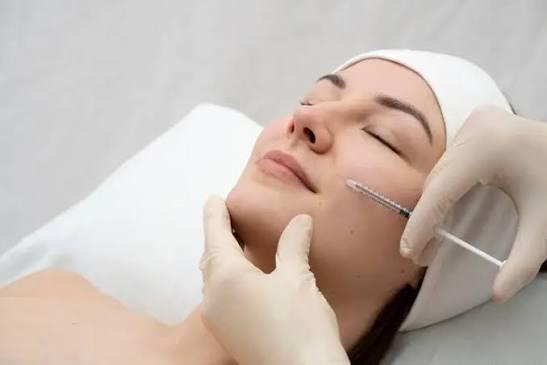
Unlike traditional dermal fillers, which are commonly used to restore volume or enhance facial contours, skin boosters are generally intended to improve skin hydration and overall appearance. They are usually administered through a series of small injections into selected areas of the skin.
With improved hydration, the skin may feel softer and look fresher. Fine dehydration lines can become less noticeable, and the surface may appear more supple. However, results vary according to the formulation, skin condition, and individual response.
Which Skin Texture Problems May Respond Best?
Skin boosters are most likely to help when uneven texture is linked to dryness or mild changes in skin quality rather than deep structural damage.
Dehydrated and Rough Skin
When the skin lacks moisture, its surface may look flaky, tight, or uneven. Treatments designed to increase hydration may improve softness and make the complexion appear smoother.
Fine Lines and Early Signs of Ageing
As the skin ages, natural changes in collagen, elastin, and moisture retention can affect its texture. Some skin boosters may help improve hydration and the appearance of fine lines, although they cannot stop the ageing process.
Dull-Looking Skin
Dehydration can make the complexion appear tired or less radiant. By supporting skin moisture, a suitable booster may help the skin look healthier and more refreshed.
Enlarged Pores and Acne Scars
Skin boosters may improve the overall appearance of skin quality, but they do not reliably remove enlarged pores or deep acne scars. These concerns may require other treatments, depending on their depth and cause.
What Skin Boosters Cannot Correct
Understanding treatment limitations helps set realistic expectations. Skin boosters are not a universal solution for every type of uneven texture.
They generally cannot fully correct:
-
Deep, pitted acne scars
-
Significant skin laxity
-
Raised scars or persistent skin growths
-
Active inflammatory acne
-
Texture changes caused by certain untreated skin conditions
A qualified medical professional can assess whether hydration-focused treatment is appropriate or whether another approach would better address the concern.
What Happens During a Skin Booster Treatment?
Treatment usually begins with an assessment of the skin, medical history, current skincare routine, and desired results. The practitioner selects an appropriate formulation and determines which areas may benefit.
The skin is cleansed before the product is injected using a suitable technique. A topical numbing agent may be used when appropriate to improve comfort. The procedure itself varies according to the treatment area and product.
Temporary redness, swelling, tenderness, bruising, or small injection-site bumps can occur. These effects often settle over several days, although recovery varies. Rare but serious complications, including infection, vascular injury, or tissue damage, are possible with injectable treatments, making appropriate medical training and sterile technique essential.
How Can You Support Better Texture After Treatment?
Aftercare can help protect the skin while it recovers. Follow the treating professional's instructions, as recommendations may differ between products and techniques.
Useful measures may include:
-
Using a gentle cleanser and a suitable moisturiser
-
Applying broad-spectrum sunscreen with SPF 30 or higher
-
Avoiding harsh exfoliants and irritating active ingredients until advised that they can be resumed
-
Avoiding excessive heat, strenuous exercise, or other activities for the period recommended by the practitioner
-
Keeping the injection sites clean and avoiding unnecessary touching
Consistent skincare is important because injectable treatments do not replace daily sun protection, moisturising, or appropriate management of acne and other skin conditions.
How Long Does It Take to Notice a Difference?
Some people notice improved hydration and softness within days, while other changes may develop gradually over the following weeks. The timeline depends on the specific formulation, treatment technique, and condition of the skin.
Certain products are intended to be administered in a planned series of sessions, while others follow different schedules. Results are not permanent, and maintenance may be considered based on clinical advice and individual needs. There is no single schedule or outcome that applies to everyone.
Conclusion
Skin boosters may help improve uneven skin texture when dehydration, dryness, or mild changes in skin quality are responsible for the concern. They can support a softer, more hydrated appearance, but their ability to improve deep scars, enlarged pores, and significant skin damage is limited. A personalised assessment can help determine whether a skin booster is suitable and whether complementary treatments or a targeted skincare routine may provide better results. Realistic expectations, safe treatment practices, and consistent aftercare are essential for making an informed decision.

