

How to Choose the Best Cotton and Linen Kitchen Towels for Everyday Use
Introduction
Kitchen towels are essential household items that make everyday cooking, cleaning, and kitchen organization easier. From drying freshly washed dishes to wiping countertops and handling small spills, the right towels help maintain a clean and functional cooking space. Although they may seem like simple accessories, their fabric, absorbency, durability, and design can influence how well they perform in daily routines.
Cotton and linen are two popular natural fabrics used for kitchen textiles. Each offers different characteristics that make it suitable for particular tasks. Cotton is known for its softness and versatility, while linen is valued for its distinctive texture and practical drying properties. Understanding these differences can help homeowners select towels that meet their needs while complementing their kitchen décor.
Whether you are setting up a new kitchen or replacing worn-out essentials, choosing the right kitchen towels is a practical step toward creating a comfortable and organized home.
Understanding Cotton Kitchen Towels
Cotton Kitchen Towels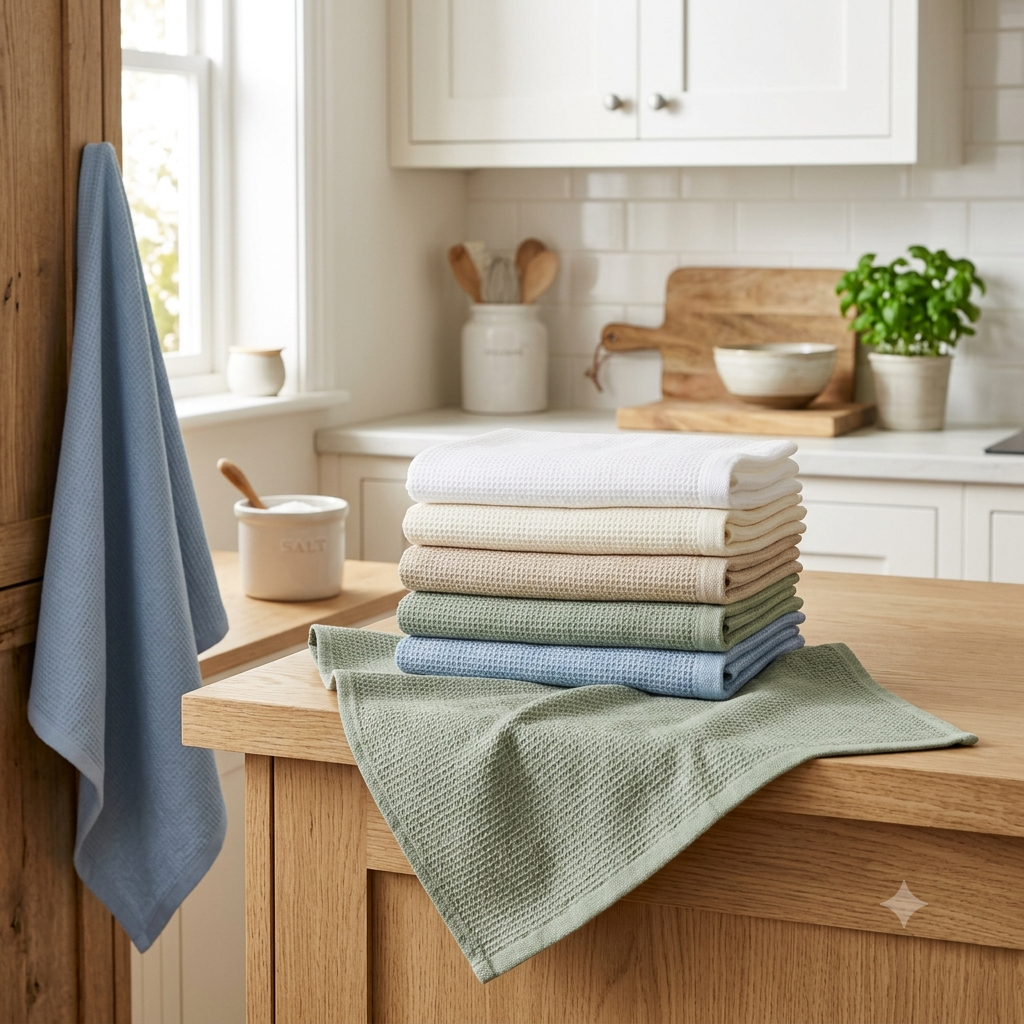 are a popular choice for everyday household tasks because cotton is soft, versatile, and available in various weaves and thicknesses. Depending on their construction, cotton towels can be useful for drying dishes, wiping surfaces, cleaning spills, and handling routine kitchen chores.
Benefits of Cotton Towels
One of the main advantages of cotton is its versatility. Different cotton weaves offer different textures and levels of absorbency, allowing homeowners to select towels suited to their specific needs. Thicker cotton towels may be helpful for wiping up spills, while lighter varieties can be convenient for drying glassware and everyday dishes.
Cotton towels are also available in a wide range of colors, patterns, and sizes. This makes it easy to coordinate them with kitchen cabinets, countertops, table linens, and other decorative elements.
Another advantage is their straightforward care routine. Many cotton kitchen towels can be machine-washed, although the recommended washing instructions should always be checked before cleaning.
Choosing Cotton Towels for Daily Tasks
Consider how you typically use your towels before selecting a set. For example, keep absorbent towels near the sink for drying dishes and choose separate towels for wiping clean countertops. Maintaining different towels for different purposes can improve kitchen hygiene and make daily chores more manageable.
Why Choose Linen Dish Towels?
Linen Dish Towels offer a different combination of texture, appearance, and functionality. Made from flax fibers, linen has a distinctive natural texture that can bring a relaxed, understated look to kitchen interiors.
Linen is often appreciated for its ability to release moisture relatively efficiently and its tendency to become softer with repeated washing and use. These characteristics make it a useful option for everyday dish-drying routines, depending on the fabric's weave and construction.
Practical Uses of Linen Towels
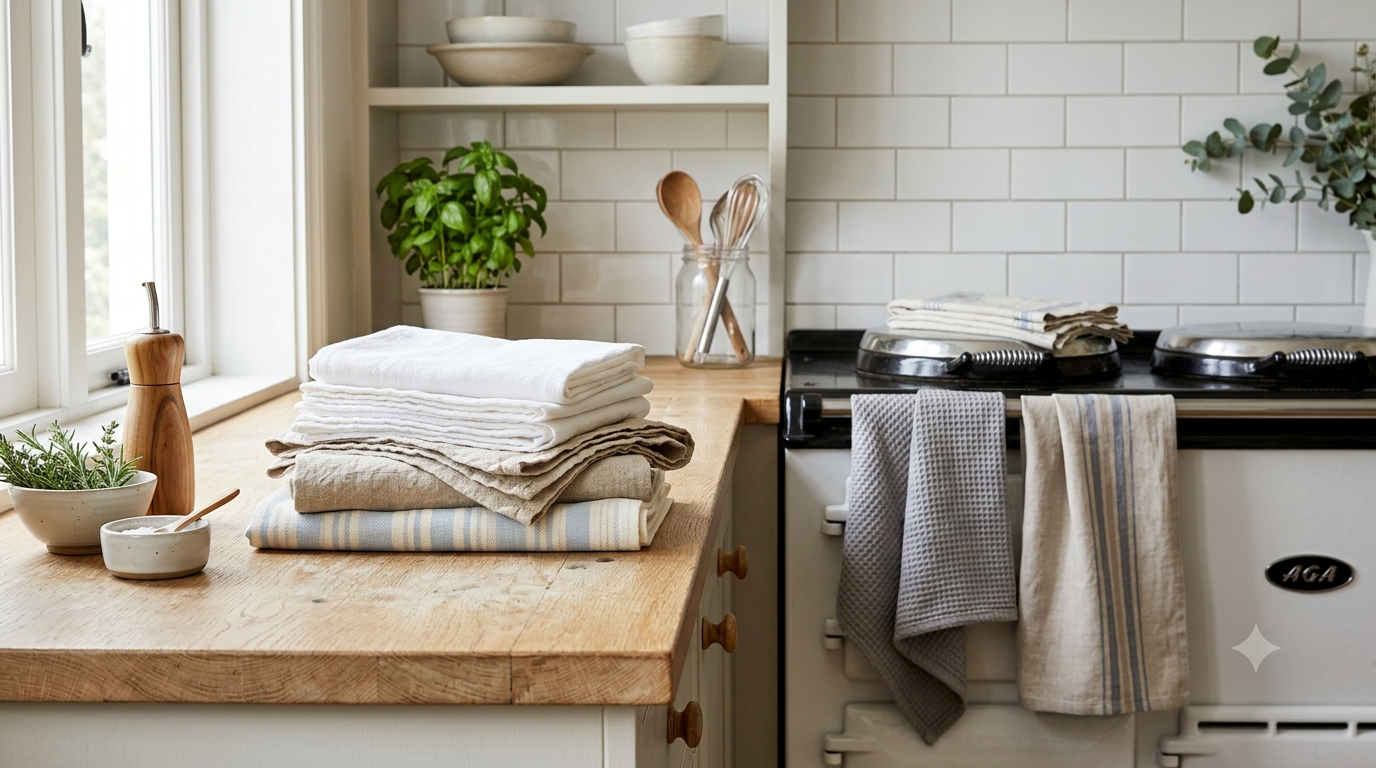
Linen towels can be useful for drying dishes, polishing suitable glassware, and wiping clean kitchen utensils. Their lightweight appearance also makes them attractive when displayed on an oven handle, hanging hook, or open shelf.
For homeowners who prefer a simple, natural aesthetic, linen works well with wooden accessories, neutral cabinetry, ceramic dishes, and stone countertops. It can also complement modern kitchens where understated textures are preferred over bold patterns.
Cotton or Linen: Which Is Better?
The best choice depends on the task and personal preference. Cotton is a versatile everyday option, particularly when a soft, familiar fabric is preferred. Linen may appeal to those who appreciate its characteristic texture and drying performance.
There is no need to choose just one material. Combining cotton and linen towels creates a flexible collection that accommodates different kitchen activities while adding variety to the space.
The Versatility of Cotton Flour Sack Towels
Cotton Flour Sack Towels are lightweight cotton towels traditionally associated with flour-sack-style fabric. Their relatively simple construction makes them useful for several household tasks.
Unlike some thick, plush towels, flour sack towels generally have a thin, flat weave. This design makes them easy to fold, store, and use for tasks that benefit from a lightweight fabric.
Everyday Uses for Flour Sack Towels
These towels can serve several purposes in a busy kitchen:
-
Drying dishes: Use a clean towel to dry plates, bowls, and kitchen utensils.
-
Covering dough: Place a clean towel over bread dough during appropriate stages of preparation to help protect it from dust.
-
Food preparation: Use a suitable, clean towel to cover prepared ingredients or line a clean surface when appropriate.
-
Cleaning surfaces: Keep separate towels available for wiping clean countertops and other kitchen areas.
-
Polishing glassware: A clean, lint-minimizing towel can be helpful when polishing suitable glasses.
Their lightweight design also makes them convenient to keep in a drawer or carry between different work areas.
For food-related tasks, always use freshly laundered towels and follow safe food-handling practices. Towels used for raw meat, poultry, or other potentially contaminated surfaces should not be reused for drying dishes or handling ready-to-eat foods without proper laundering.
Adding Style with Striped Dish Towels
Kitchen essentials can be practical and decorative at the same time. Striped Dish Towels introduce pattern and visual interest without overwhelming the overall appearance of a kitchen.
Stripes are particularly versatile because they work with many interior styles, from traditional farmhouse kitchens to contemporary spaces. Depending on the colors and stripe width, these towels can create either a subtle accent or a more noticeable decorative detail.
How to Coordinate Striped Towels
When choosing striped towels, consider the colors already present in your kitchen.
-
Neutral kitchens: Beige, cream, gray, and white stripes complement understated interiors.
-
Wooden cabinets: Earthy tones and soft blue stripes can pair naturally with warm wood finishes.
-
White kitchens: Navy, green, or black stripes provide contrast without requiring major decorative changes.
-
Colorful interiors: Select one or two colors that already appear in your kitchen to create a coordinated look.
You can also coordinate striped towels with table runners, placemats, aprons, and other kitchen textiles. Using a consistent color palette helps the space feel organized, even when the individual patterns differ.
For a balanced appearance, combine striped towels with solid-colored textiles. This approach adds variety while preventing the kitchen from looking visually crowded.
Tips for Choosing and Maintaining Kitchen Towels
Selecting suitable towels involves more than choosing a fabric or attractive pattern. A few practical considerations can help you build a collection that works well over time.
1. Match the Fabric to the Task
Choose towels according to their intended purpose. Cotton can be useful for general cleaning and drying, linen may suit dish-drying routines, and lightweight flour sack towels can serve multiple kitchen functions.
2. Check the Size and Weave
Larger towels provide more coverage for wiping surfaces, while smaller towels are convenient for quick tasks. The weave and thickness can also affect drying time, absorbency, and ease of handling.
3. Wash Towels Regularly
Kitchen towels can collect moisture, food residue, and bacteria during everyday use. Replace damp towels with clean ones and launder used towels regularly. Towels used for spills or food preparation may need to be changed more frequently.
4. Avoid Persistent Odors
Allow towels to dry thoroughly between uses rather than leaving them bunched up in a damp pile. Wash them according to the care label and avoid using more detergent than recommended, since detergent residue can affect fabric performance.
If a towel develops a persistent unpleasant smell, wash it promptly using an appropriate laundry cycle. Do not continue using it for food-related tasks until it has been properly cleaned.
5. Follow Fabric Care Instructions
Use the washing temperature and drying method recommended for the fabric. Avoid excessive heat when it could shrink or damage the material, and separate heavily soiled towels from lightly used ones when appropriate.
6. Keep Separate Towels for Different Purposes
Using separate towels for drying dishes, wiping hands, cleaning surfaces, and handling food helps reduce cross-contamination. Wash each towel appropriately before assigning it to another task.
Sustainable and Practical Kitchen Choices
Reusable fabric towels can be a practical alternative to disposable paper towels for many everyday kitchen activities. Rather than throwing away a paper towel after each small spill, a washable fabric towel can often be cleaned and reused.
However, the overall environmental impact of reusable towels depends on several factors, including how long they last, how frequently they are washed, and the resources required for laundering. Choosing durable products, using them appropriately, and following sensible care routines can help make reuse more practical.
Cotton and linen towels also offer flexibility because they can be selected for different tasks instead of relying on a single disposable product for everything. Keeping a sufficient supply of clean towels makes it easier to replace used ones throughout the day.
Responsible fabric care matters as well. Washing full loads when practical, following care instructions, and allowing towels to dry properly can help maintain their usefulness. Replacing towels only when necessary is another simple way to get more value from household textiles.
A well-organized collection of reusable kitchen towels can therefore support convenient daily routines while reducing dependence on disposable products where reusable options are suitable.
Conclusion: Finding Kitchen Towels That Fit Your Home
Choosing the right kitchen towels involves balancing functionality, fabric preferences, maintenance, and style. Cotton offers versatility for everyday cleaning and drying, linen brings a distinctive texture and practical drying characteristics, and flour sack towels provide a lightweight option for a variety of kitchen tasks. Striped designs add personality while helping kitchen textiles coordinate with the rest of the room.
By selecting towels according to their intended use, washing them regularly, and maintaining separate towels for different activities, homeowners can create a cleaner and more organized kitchen.
For readers exploring cotton and linen home textiles, All Cotton and Linen offers a place to discover kitchen essentials and other fabric products for the home.
Ultimately, the best kitchen towels are the ones that combine practical performance, easy care, and a design you enjoy using every day.
