

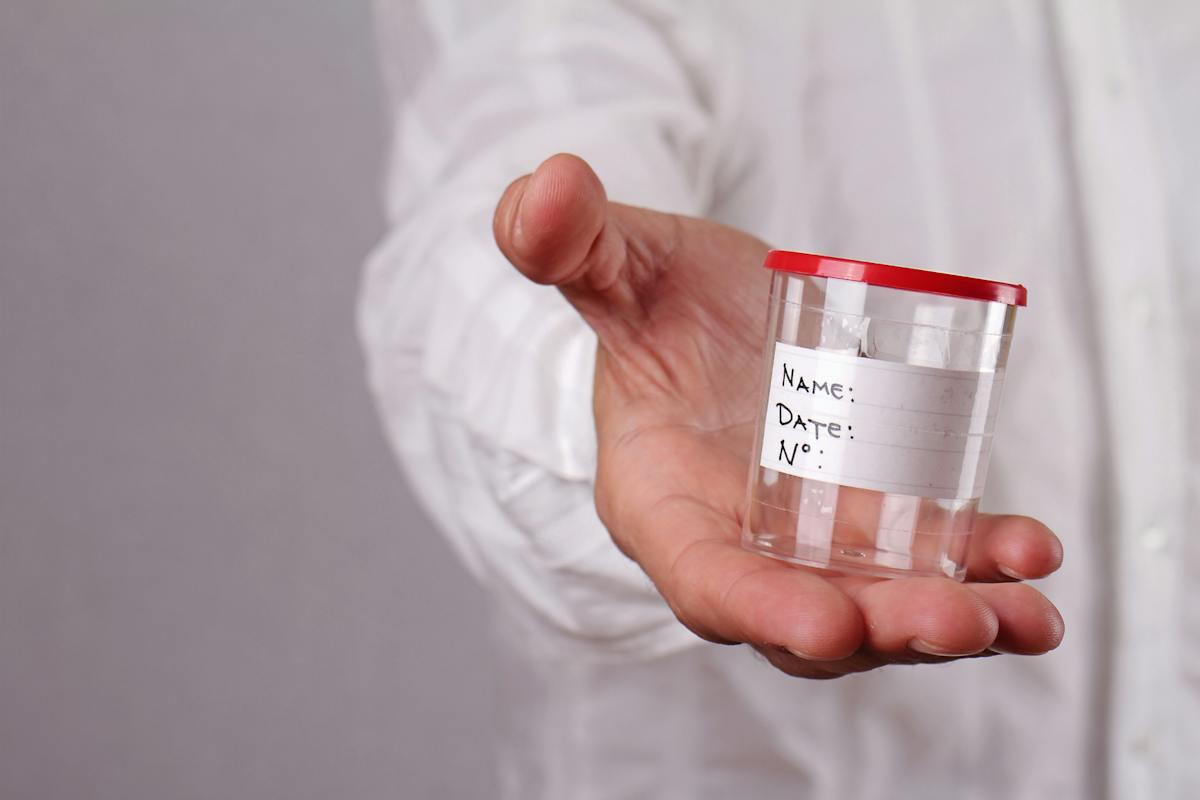

A semen analysis test is one of the most commonly used investigations for evaluating male reproductive health and identifying possible fertility problems. It examines several characteristics of semen, including sperm count, motility, morphology, volume, and vitality. These measurements help healthcare professionals understand whether sperm-related factors may be contributing to difficulty conceiving.
But can a Semen Analysis Test in Dubai detect male infertility with certainty? The answer is no. Although the test can identify abnormalities associated with reduced fertility, it cannot independently confirm or rule out infertility in every case. Some men with abnormal semen results can father a child naturally, while others with results within expected reference ranges may still experience fertility difficulties.
Understanding what this test can reveal, how results are interpreted, and when additional investigations are necessary can help you make informed decisions about reproductive health.
What Is a Semen Analysis Test and Why Is It Used?
A semen analysis, sometimes called a sperm test or male fertility test, evaluates a semen sample in a laboratory. It is commonly recommended when a couple has difficulty conceiving, when a doctor suspects a reproductive problem, or when sperm production needs to be assessed after certain medical treatments.
Semen contains sperm cells and fluids produced by reproductive glands. A laboratory examines the sample to assess several characteristics associated with sperm production and function.
A typical semen analysis report includes:
-
Sperm concentration: The number of sperm in each milliliter of semen.
-
Total sperm count: The total number of sperm in the entire ejaculate.
-
Sperm motility: The percentage of sperm that move, including those that move progressively forward.
-
Sperm morphology: The percentage of sperm that meet laboratory criteria for normal shape.
-
Semen volume: The amount of fluid in the sample.
-
Sperm vitality: The percentage of living sperm, particularly useful when many sperm are immotile.
Together, these measurements help clinicians identify potential male fertility concerns. However, the results represent only one part of a comprehensive fertility evaluation.
How Can a Semen Analysis Identify Possible Male Infertility?
Male infertility can have several causes, including problems with sperm production, sperm movement, reproductive hormones, or the structures responsible for transporting sperm. A semen analysis can identify certain abnormalities that may help guide further investigation.
Low Sperm Count or Concentration
A low sperm concentration, known medically as oligozoospermia, means that fewer sperm are present per milliliter of semen than expected according to the laboratory's reference range.
The World Health Organization's 2021 laboratory manual provides a lower fifth-percentile reference value of 16 million sperm per milliliter. The corresponding reference value for total sperm count is 39 million sperm per ejaculate.
Low sperm numbers may reduce the number of sperm available to reach and fertilize an egg. However, the effect on conception depends on other semen parameters and the reproductive health of both partners.
Reduced Sperm Motility
Sperm motility describes how effectively sperm move. Progressive motility refers to sperm that travel forward in a purposeful direction.
The WHO 2021 lower reference values are 42% for total sperm motility and 30% for progressive motility.
Reduced sperm movement, sometimes called asthenozoospermia, may make it more difficult for sperm to travel through the reproductive tract. Nevertheless, a low motility result does not automatically mean that natural conception is impossible.
Abnormal Sperm Morphology
Sperm morphology measures the shape and structure of sperm, including the head, midpiece, and tail.
The WHO 2021 lower reference value for normal sperm morphology is 4% when strict assessment criteria are used. A result below this value may be described as teratozoospermia.
Abnormal morphology can contribute to the overall assessment of male fertility, but it cannot determine whether an individual sperm is capable of fertilization. Morphology should be interpreted alongside sperm count, motility, and the complete clinical picture.
Low Semen Volume or Reduced Sperm Vitality
Low semen volume may be associated with incomplete sample collection, hormonal factors, or certain reproductive tract conditions. Reduced sperm vitality indicates that a lower proportion of sperm are alive.
These findings may provide clues about reproductive health, but additional testing may be needed to establish the underlying cause.
What Do Normal Semen Analysis Results Mean for Fertility?
A semen analysis report with measurements within the laboratory's reference ranges is generally reassuring. It suggests that the measured characteristics of the sample are not showing obvious abnormalities according to those criteria.
However, normal semen analysis results do not guarantee fertility.
The test does not directly measure every aspect of sperm function, such as the ability of sperm to interact with and fertilize an egg under natural conditions. It also does not assess every potential cause of infertility.
For example, a man may have a normal sperm concentration and motility but still experience difficulty conceiving because of a problem not identified by routine semen testing. Fertility can also be influenced by the partner's reproductive health, age, timing of intercourse, and other medical factors.
For this reason, healthcare professionals use semen analysis as one component of fertility assessment rather than a definitive pass-or-fail test.
Can a Semen Analysis Diagnose the Cause of Male Infertility?
A semen analysis can reveal abnormalities, but it usually cannot identify their precise cause on its own.
Low sperm count, poor motility, or abnormal morphology may be associated with different conditions. Potential causes include hormonal disorders, varicocele, previous testicular injury, certain genetic conditions, infections, medication effects, and problems affecting sperm transport.
Lifestyle and environmental influences may also affect semen quality. Smoking, excessive alcohol consumption, recreational drug use, and exposure to excessive heat or certain toxins can contribute to reproductive health concerns.
External testosterone and anabolic steroids are particularly important to mention during a fertility assessment because they can suppress the hormonal signals needed for normal sperm production.
If semen analysis results are abnormal, a doctor may review your medical history, perform a physical examination, or recommend additional tests. Depending on the findings, these may include hormone testing, genetic investigations, or imaging.
Not everyone requires every investigation. The next steps depend on the type and severity of the abnormality, symptoms, and personal medical history.
Why One Semen Analysis May Not Be Enough?
Semen quality can vary naturally between samples. An abnormal result on one occasion may not accurately represent a person's usual semen parameters.
Several factors can influence a report:
-
Abstinence duration: Many laboratories recommend two to seven days without ejaculation before testing, although the specific instructions from the laboratory should be followed.
-
Recent illness: A significant illness or fever may affect sperm production and quality.
-
Sample collection: Losing part of the sample can influence semen volume and total sperm count.
-
Medication use: Some medicines and hormone treatments can affect reproductive function.
-
Laboratory handling: Differences in processing time and sample handling may influence certain measurements.
Because of this variability, doctors may recommend repeating the semen analysis when results are abnormal or inconsistent with other clinical information.
Sperm development takes approximately 74 days, followed by further maturation. Therefore, when evaluating the effects of a significant illness or changes intended to improve sperm production, the timing of repeat testing may need to account for this biological process.
A repeat test can help establish whether an abnormality persists. It should be performed according to clinical advice rather than at an arbitrary interval.
What Happens After an Abnormal Semen Analysis Test?
An abnormal result is a starting point for further evaluation, not a final diagnosis of infertility.
The first step is to review the complete report with a qualified healthcare professional. The clinician may consider which measurements are abnormal, how far they fall outside the laboratory's reference ranges, and whether the sample was collected correctly.
Depending on the findings, the next steps may include:
Repeat semen testing: This helps determine whether the abnormal result is persistent.
Medical history and examination: A doctor may ask about previous illnesses, testicular problems, surgery, medications, hormone use, and reproductive history.
Hormone testing: Blood tests may be appropriate when a hormonal problem or impaired sperm production is suspected.
Specialist assessment: A urologist with expertise in male reproductive health or a fertility specialist may recommend further investigations when indicated.
A very low sperm count or a report showing no sperm, known as azoospermia, warrants timely medical evaluation. It is important not to assume that the finding is permanent or that no treatment options exist before the cause has been investigated.
Can Male Infertility Be Treated if the Test Is Abnormal?
Treatment depends on the underlying cause, the severity of the semen abnormalities, and the reproductive goals of the individual or couple.
Some contributing conditions may be treatable. For example, a clinician may address certain hormonal disorders, review medications that suppress sperm production, or evaluate a clinically significant varicocele.
Lifestyle changes can support general reproductive health. Avoiding tobacco and recreational drugs, limiting excessive alcohol consumption, maintaining a balanced diet, exercising regularly, and getting adequate sleep are sensible measures. However, these steps do not guarantee that semen parameters will return to normal.
When natural conception is difficult, fertility specialists may discuss options such as intrauterine insemination, in vitro fertilization, or intracytoplasmic sperm injection, depending on the clinical circumstances.
The appropriate approach should be individualized. An abnormal semen analysis does not automatically mean that assisted reproductive treatment is necessary.
Frequently Asked Questions About Semen Analysis and Male Infertility:
Can a semen analysis test confirm infertility?
No. It can identify sperm-related abnormalities associated with reduced fertility, but it cannot independently confirm infertility in every case. Results must be considered alongside medical history and the reproductive health of both partners.
Can I have normal sperm count and still be infertile?
Yes. Sperm count is only one aspect of reproductive health. Other sperm characteristics, sperm function, reproductive conditions, and factors involving either partner may affect conception.
Does low sperm count mean I cannot have children?
Not necessarily. Some men with low sperm counts can conceive naturally, while others may benefit from medical evaluation or fertility treatment. The outcome depends on the individual circumstances.
How often should a semen analysis be repeated?
Repeat testing depends on the original findings and the reason for the test. A doctor may recommend a second sample to confirm an abnormal result or assess changes following treatment.
Does a semen analysis test detect sexually transmitted infections?
A routine semen analysis is not a comprehensive sexually transmitted infection screening test. Specific tests may be necessary if an infection is suspected.
Conclusion: Semen Analysis Is an Important First Step, Not the Final Answer
A semen analysis Lab tests can detect several abnormalities associated with male infertility, including low sperm count, reduced motility, abnormal morphology, low semen volume, and reduced sperm vitality. These findings provide valuable information about reproductive health and help guide further medical evaluation.
However, no single semen analysis result can definitively determine whether a man is fertile or infertile. Normal results do not guarantee conception, and abnormal findings do not mean pregnancy is impossible.
If you are concerned about fertility, discuss your report with a qualified healthcare professional. Appropriate repeat testing, assessment of possible underlying causes, and evaluation of both partners can help clarify the situation and identify suitable next steps.
