

Why Jaw Pain Should Never Be Ignored: Common Causes and Treatment Options
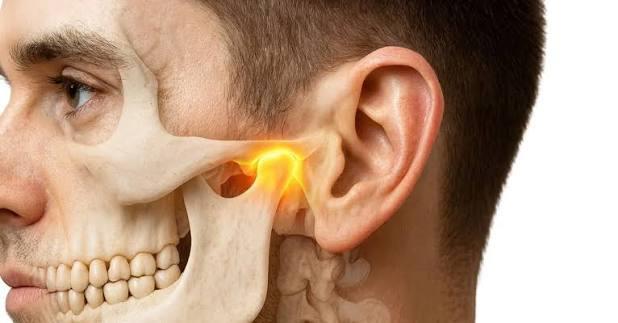
Jaw pain can feel like a small discomfort at first, but it should not be ignored if it continues, becomes worse, or affects your daily routine. Many people also ask, can wisdom teeth cause headache, especially when they feel pressure at the back of the mouth, jaw stiffness, facial discomfort, or pain that spreads toward the ear or head. Jaw pain may be linked to wisdom teeth, tooth infection, teeth grinding, gum problems, injury, or jaw joint issues. Understanding the possible causes can help you know when to seek dental advice and what treatment options may be available.
Why Jaw Pain Matters
Your jaw plays an important role in eating, speaking, smiling, and everyday movement. When pain develops, it can affect chewing, sleeping, talking, and concentration. Some jaw pain may be temporary, especially if it comes from muscle tension or minor strain. However, ongoing or severe jaw pain can be a sign of a dental or oral health problem that needs attention.
Ignoring jaw pain may allow the cause to become more serious. For example, a wisdom tooth problem may worsen, an infection may spread, or a cracked tooth may become harder to treat. Early dental assessment can help identify the reason for the pain and reduce the risk of complications.
Can Wisdom Teeth Cause Jaw Pain?
Wisdom teeth are the last molars that usually come through at the back of the mouth. Some people have enough space for them, while others experience problems because the teeth become impacted, partially erupted, or difficult to clean.
When wisdom teeth do not come through properly, they may press against nearby teeth, gums, or jawbone. This can cause pain at the back of the mouth, swelling, jaw stiffness, difficulty opening the mouth, or discomfort while chewing. In some cases, pain may also feel like it is spreading toward the ear, temple, or head.
If wisdom teeth are causing repeated pain, infection, or pressure, Wisdom Teeth Removal in Corio may be discussed as a treatment option after a dental examination.
Can Wisdom Teeth Cause Headaches?
The question can wisdom teeth cause headache is common because pain from the back teeth and jaw can sometimes feel like it is moving toward the head. Wisdom tooth pressure, inflammation, jaw stiffness, or infection may contribute to discomfort around the jaw, ear, temple, or face.
However, headaches can have many causes, including stress, dehydration, sinus issues, eye strain, sleep problems, or medical conditions. This is why it is important not to assume that every headache is dental-related. If your headache appears with jaw pain, swollen gums, bad taste, toothache, or difficulty opening your mouth, a dental check-up can help identify whether wisdom teeth or another oral health concern may be involved.
Common Causes of Jaw Pain
Jaw pain can happen for several reasons. One common cause is wisdom tooth pressure or infection. Partially erupted wisdom teeth can trap food and bacteria around the gum, leading to swelling, tenderness, and pain.
Another common cause is teeth grinding or clenching. Many people grind their teeth during sleep or when stressed. This can place pressure on the jaw muscles and joints, causing morning jaw pain, headaches, tooth sensitivity, or worn teeth.
Tooth decay and dental infection can also cause jaw pain. If bacteria reach the inner part of a tooth or the surrounding tissues, pain may spread into the jaw and face. Gum disease may also lead to tenderness, swelling, and discomfort around the teeth.
Jaw joint problems, sometimes linked to the temporomandibular joint, may cause clicking, locking, stiffness, or pain while opening and closing the mouth. Injury, arthritis, poor bite alignment, and muscle tension can also contribute.
Signs You Should Not Ignore
Jaw pain should be checked if it lasts for more than a few days, keeps returning, or becomes worse. You should also seek dental advice if you notice swelling, fever, pus, bad taste, bleeding gums, severe toothache, pain while chewing, or difficulty opening your mouth.
Pain at the back of the mouth may suggest wisdom tooth problems, especially if the gum around the tooth is red, swollen, or tender. If jaw pain is linked with facial swelling or difficulty swallowing or breathing, urgent medical attention may be needed.
The earlier you get help, the easier it may be to manage the problem before it becomes more serious.
How a Dentist Checks Jaw Pain
A dental examination can help find the cause of jaw pain. The dentist may check your teeth, gums, wisdom teeth, bite, jaw movement, and signs of swelling or infection. They may ask when the pain started, where it is located, what makes it worse, and whether you have headaches, ear discomfort, or difficulty chewing.
Dental X-rays may be recommended if wisdom teeth, hidden decay, infection, or jawbone concerns need to be assessed. X-rays can show whether a wisdom tooth is impacted, angled, or pressing against nearby teeth.
This information helps the dentist recommend the most suitable treatment option.
Treatment Options for Jaw Pain
Treatment depends on the cause of the pain. If jaw pain is caused by tooth decay or infection, treatment may involve a filling, root canal treatment, drainage of infection, or other dental care depending on the condition of the tooth.
If gum inflammation around a wisdom tooth is the cause, cleaning the area and improving oral hygiene may help in mild cases. However, if wisdom teeth repeatedly cause pain, swelling, infection, or pressure, Wisdom Teeth Removal in Corio may be recommended.
If teeth grinding is involved, the dentist may suggest a custom mouthguard, stress management, jaw exercises, or changes to daily habits. For jaw joint discomfort, treatment may include rest, avoiding hard foods, gentle jaw movements, and further assessment if symptoms continue.
How to Manage Jaw Pain at Home Temporarily
Home care may help reduce discomfort while waiting for your dental appointment, but it should not replace professional care. You can eat softer foods, avoid chewing on the painful side, and avoid hard or sticky foods. A cold compress may help if there is swelling after an injury.
Try not to open your mouth too wide when yawning or eating. If you suspect grinding, avoid chewing pens, biting nails, or clenching your jaw during the day. Keep brushing and flossing gently to reduce bacteria around the teeth and gums.
Do not place aspirin, alcohol, or harsh substances directly on the gum or tooth. These can irritate the tissue and will not treat the cause of the pain.
Preventing Jaw Pain and Wisdom Tooth Problems
Not every jaw problem can be prevented, but regular dental check-ups can help detect concerns early. Wisdom teeth can be monitored before they cause major discomfort. Good brushing and cleaning around the back teeth can also reduce the risk of gum infection.
If you grind your teeth, early management can help protect your teeth and jaw muscles. Wearing a mouthguard during contact sports can also reduce the risk of injury.
Final Thoughts
Jaw pain should never be ignored when it continues, worsens, or comes with swelling, toothache, headache, or difficulty opening your mouth. It may be caused by wisdom teeth, infection, grinding, gum disease, jaw joint problems, or injury.
If you are wondering can wisdom teeth cause headache or jaw pain, a dental examination can help identify the cause and guide the right treatment. In some cases, Wisdom Teeth Removal in Corio may be the best option to prevent repeated pain, swelling, or infection.
FAQs
1. Can wisdom teeth cause jaw pain and headache?
Yes, wisdom teeth may cause jaw pain, pressure, swelling, and discomfort that can feel like it spreads toward the head or ear. However, headaches can have many causes, so dental assessment is important.
2. When should I see a dentist for jaw pain?
You should see a dentist if jaw pain lasts more than a few days, becomes worse, affects chewing, or comes with swelling, fever, bad taste, toothache, or difficulty opening your mouth.
3. Is wisdom teeth removal always needed?
No. Wisdom teeth do not always need removal. Removal may be recommended if they cause repeated pain, infection, swelling, damage to nearby teeth, or cleaning difficulties.
4. Can teeth grinding cause jaw pain?
Yes. Teeth grinding and clenching can strain jaw muscles and joints, causing jaw pain, headaches, tooth sensitivity, and worn teeth. A dentist may recommend a protective mouthguard or other management options.
