

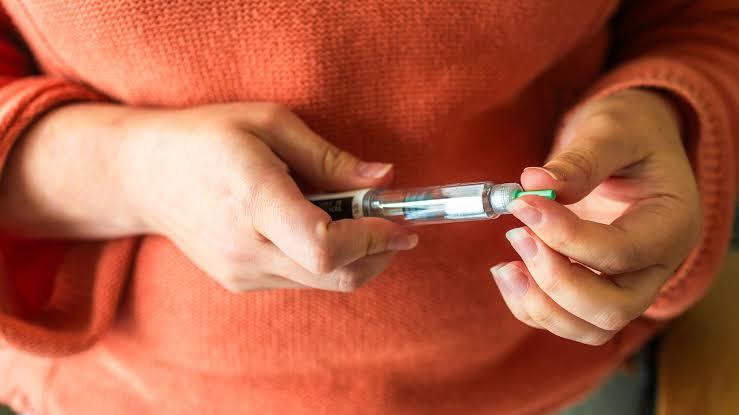

Understanding when weight loss injections start showing results can help people set realistic expectations and follow a safe, structured weight management plan. Many people exploring Weight loss injections in Dubai want to know how soon they may notice changes in appetite, body weight, and eating habits. Dynamic Clinic in Dubai is one option people may explore when researching medically supervised weight management and available treatment approaches.
How Soon Can You Notice the First Changes?
Weight loss injections do not produce the same results for everyone. Some people notice reduced hunger or feel satisfied after smaller meals within the first few weeks. Measurable changes in body weight may take longer, depending on the medication, prescribed dose, eating habits, physical activity, and individual response.
These treatments generally work gradually rather than causing immediate fat loss. Early changes in appetite may occur before visible differences in body shape, so tracking several indicators can provide a more balanced view of progress.
A General Timeline for Weight Loss Results
The time required to see results depends on the specific medication and the treatment plan. The following timeline offers a general guide rather than a guarantee.
-
First 1–2 weeks: Some people notice changes in hunger, cravings, or portion sizes. Others experience little noticeable difference while adjusting to treatment.
-
Weeks 3–4: Appetite patterns may become more consistent, and some people may begin to see changes on the weighing scale.
-
Weeks 5–8: Gradual weight changes may become easier to identify when treatment is combined with balanced nutrition and regular movement.
-
Months 3–6: Longer-term progress may become clearer as the prescribed treatment plan continues and habits become more consistent.
Individual results vary, and some medications require gradual dose increases to improve tolerability. A slower start does not necessarily mean the treatment is ineffective.
Why Do Weight Loss Injections Take Time to Work?
Many prescription weight management injections act on hormonal pathways involved in appetite and blood glucose regulation. Some medicines, including GLP-1 receptor agonists, mimic a natural hormone that helps regulate hunger and fullness. Certain treatments also act on additional hormone receptors.
Depending on the medication, these effects may help people:
-
Feel full sooner during meals.
-
Experience less hunger between meals.
-
Reduce overall food intake.
-
Manage cravings or persistent thoughts about food.
-
Improve blood sugar regulation when the medicine is indicated for that purpose.
For example, semaglutide acts on GLP-1 receptors, while tirzepatide acts on both GIP and GLP-1 receptors. These medicines are not interchangeable, and their approved uses, dosing schedules, and expected responses differ.
What Factors Affect the Speed of Weight Loss?
Several factors influence how quickly a person responds to injectable weight management medication.
Medication and dosage: Different active ingredients have different dosing schedules. Treatment often begins at a lower dose before being increased according to the prescribing instructions.
Starting weight and metabolism: Body composition, age, metabolic health, and other individual characteristics can influence weight changes.
Nutrition and physical activity: Balanced meals, adequate protein, sufficient fibre, regular movement, and appropriate hydration can support a sustainable weight management plan.
Sleep and stress: Poor sleep and ongoing stress may affect appetite, food choices, and daily activity levels.
Medical conditions and other medicines: Hormonal conditions, certain medications, and other health concerns can affect weight management and should be discussed with a qualified healthcare professional.
How Can You Track Progress Beyond the Scale?
Body weight is only one way to assess a response to treatment. Daily fluctuations can occur because of hydration, salt intake, digestion, and hormonal changes.
Consider monitoring the following indicators:
-
Weekly weight trends rather than individual daily readings.
-
Changes in appetite and portion sizes.
-
Waist measurements taken consistently.
-
Energy levels and ability to maintain regular activity.
-
Improvements in relevant health markers, when assessed by a healthcare professional.
Keeping a simple record can help identify patterns without placing too much importance on short-term fluctuations.
What If Weight Loss Injections Are Not Showing Results?
Limited progress during the first few weeks does not automatically mean the medication is unsuitable. The initial dose may be intended to help the body adjust rather than produce substantial weight loss.
If progress remains limited, a healthcare professional can review treatment adherence, the prescribed dose, nutrition, activity levels, other medications, and possible underlying health factors. Never increase the dose, shorten the interval between injections, or combine weight loss medicines without medical guidance.
Seek prompt medical advice if you develop persistent vomiting, severe abdominal pain, or signs of dehydration. These symptoms should not be ignored while waiting for weight loss results.
Conclusion
Weight loss injections may begin affecting appetite within the first few weeks, while noticeable changes in body weight often take longer. The timeline depends on the medication, dose, individual health factors, and consistency with the wider treatment plan. Setting realistic expectations, tracking progress over time, and attending regular medical reviews can help people assess whether their treatment is working safely and effectively.

