

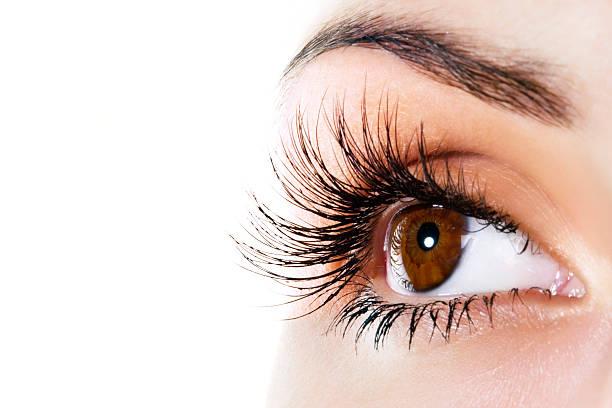

Changes in thyroid function can sometimes affect hair growth, including the appearance of eyelashes and eyebrows. For people experiencing persistent lash thinning, Eyelash Hair Transplant in Dubai may be worth discussing after the underlying cause has been assessed and the condition is medically stable. Treatment planning should distinguish between ongoing hair loss and a lasting reduction in lash density.
How Thyroid Changes May Affect Eyelash Growth
Thyroid hormones influence several processes involved in normal body function, including aspects of the hair growth cycle. When thyroid function is outside its normal range, some individuals notice changes in hair texture, shedding, or density.
Eyelash changes are not specific to thyroid conditions, however. Similar symptoms may occur with eyelid inflammation, certain medications, nutritional issues, autoimmune conditions, or repeated mechanical irritation.
A person should therefore avoid assuming that thinning lashes automatically indicate a thyroid problem. If the change is new, unexplained, or accompanied by other symptoms, a medical assessment can help identify the possible cause.
Temporary shedding versus persistent thinning
The distinction matters when considering a hair restoration procedure.
-
Temporary shedding: Lash density may improve when the underlying problem is appropriately managed.
-
Persistent thinning: Density may remain reduced even after the original trigger has been addressed.
-
Patchy loss: Localised gaps may have several possible causes and require examination.
-
Ongoing changes: Continued shedding may indicate that further medical evaluation is needed before a cosmetic procedure is considered.
A transplant is not a treatment for thyroid disease and does not prevent future changes affecting the natural eyelashes.
When Eyelash Hair Transplant in Dubai May Be Considered
A consultation can help determine whether a person has a stable pattern of lash loss that may be suitable for surgical restoration. The assessment should consider the history of the thinning, the condition of the eyelid skin, the remaining natural lashes, and the availability of appropriate donor hair.
Before proceeding, the treating team may need information from the patient's endocrinologist or other medical professional, particularly when thyroid function has recently changed or treatment is being adjusted.
Factors that may influence suitability include:
-
Whether lash density has remained relatively stable.
-
Whether the original cause of hair loss has been investigated.
-
Whether the eyelid margins and surrounding skin are healthy.
-
Whether enough suitable donor hair is available.
-
Whether the patient understands the maintenance and grooming requirements of transplanted lashes.
No single factor guarantees suitability. An individual assessment is essential.
Why Medical Stability Matters Before Treatment
Hair restoration planning is more predictable when the reason for hair loss is understood. If thyroid function is still being evaluated or managed, the pattern of hair changes may continue to evolve.
The goal is not to require every patient to have a particular laboratory result before consultation. Instead, the medical team should determine whether further investigation or coordination with the patient's usual clinician is appropriate.
Patients should not stop, start, or change prescribed thyroid medication for cosmetic reasons without guidance from the prescribing professional.
Questions to discuss during consultation
Consider asking:
-
Could my current lash pattern be related to an underlying medical condition?
-
Should I obtain a medical review before considering transplantation?
-
How stable should my lash loss be before treatment planning?
-
What limitations might remain after a transplant?
-
What follow-up would be needed if my natural lashes continue to change?
Clear answers can help set realistic expectations and support informed decision-making.
What the Procedure Can and Cannot Address
Eyelash transplantation involves placing suitable hair follicles into the eyelid area to improve lash density. Because transplanted hair may behave differently from natural eyelashes, the result requires careful planning and ongoing grooming.
The procedure may help selected patients address lasting gaps or reduced density, but it cannot correct every cause of eyelash loss. It also cannot guarantee a particular thickness, curl, length, or symmetry.
The surgeon should explain the technique being considered, potential complications, the expected recovery process, and whether the anticipated benefit is proportionate to the risks.
Long-term considerations
Transplanted hairs may grow more like the hair from their donor area than like natural eyelashes. They can require regular trimming and direction management. The eyelid is a delicate area, so unsuitable placement or growth direction can create irritation or other problems that need professional assessment.
Patients with an active underlying cause of hair loss should understand that transplantation does not resolve that condition.
Preparing for an Eyelash Restoration Consultation
Bring a clear account of when the thinning began, whether it affects one or both eyes, and whether the pattern has changed over time. Information about relevant diagnoses, prescribed medicines, and previous eyelid treatments may also help the clinician understand the situation.
Avoid concealing symptoms or stopping prescribed medication before the appointment. If you have recent medical test results or advice from your treating doctor, ask whether these would be useful to bring.
A careful consultation should give you time to discuss concerns, alternatives, possible complications, and the likely commitment involved after treatment.
Frequently Asked Questions
Can thyroid-related eyelash thinning be permanent?
It depends on the cause and individual circumstances. Some hair changes may improve after the underlying issue is managed, while persistent thinning may need further evaluation.
Is an eyelash transplant a treatment for thyroid disease?
No. It is a hair restoration procedure, not a treatment for thyroid dysfunction.
Should I wait until my thyroid condition is stable?
The appropriate timing depends on your medical circumstances. Discuss this with your treating doctor and the hair restoration clinician before deciding.
Will transplanted eyelashes behave exactly like natural lashes?
Not necessarily. Transplanted hairs can have different growth characteristics and may require regular trimming and grooming.
Clinic note: Persistent eyelash thinning deserves an individual assessment, especially when an underlying medical condition may be involved. Cosmetic treatment planning should account for eye health, the cause of hair loss, and realistic long-term expectations.
Explore Eyelash Hair Transplant in Dubai at Tajmeels Clinic
If you are concerned about lasting eyelash thinning, the next step is to understand the possible cause and determine whether restoration is appropriate for your circumstances. A personalised consultation can help clarify suitability, expected results, limitations, and aftercare requirements.
Visit Tajmeels Clinic to learn more, or explore the Eyelash Hair Transplant in Dubai service to discuss your options with the clinic.
