

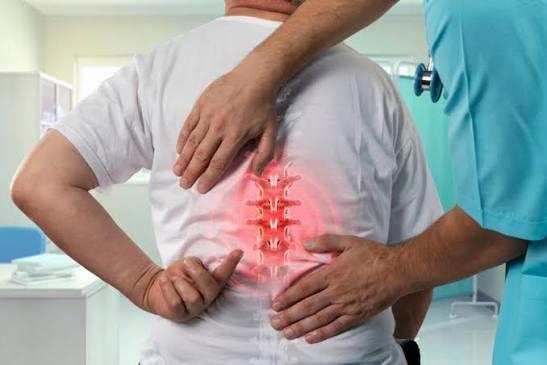

Living with ongoing pain can affect nearly every part of daily life, from walking and sleeping to working and spending time with family. When pain continues despite initial treatment, consulting pain management specialists in Rowlett can help you understand the possible causes and explore suitable options for relief.
An interventional pain management specialist uses a combination of clinical assessment, medication management, rehabilitation recommendations, and selected minimally invasive procedures to manage certain pain conditions. Understanding these qualities can help you make a more informed decision when searching for a pain management specialist in Rowlett, TX.
What Does an Interventional Pain Management Specialist Do?
An interventional pain management specialist evaluates and treats pain using targeted medical procedures and other evidence-based approaches. These physicians commonly assess conditions involving the spine, joints, muscles, and nerves. Their work may include identifying the source of persistent pain, recommending appropriate medication, and determining whether a minimally invasive procedure could help.
Interventional treatment may involve image-guided injections, nerve blocks, or radiofrequency ablation for selected conditions. Not every patient needs an injection or procedure. A qualified specialist first considers the diagnosis, severity of symptoms, previous treatments, and possible risks before recommending an intervention. When pain may be related to a condition requiring surgery or another type of specialist care, referral to the appropriate clinician may be necessary.
Qualities to Look for in Pain Management Specialists in Rowlett
Finding a suitable pain specialist means looking for a physician who combines appropriate medical training with careful assessment and individualised treatment planning. The following qualities can help you evaluate your options.
1. Appropriate Qualifications and Specialised Training
Medical qualifications are an important starting point when choosing a chronic pain doctor in Rowlett. Look for a physician with relevant training in pain medicine and experience evaluating the type of pain you are experiencing. Interventional pain management requires knowledge of pain conditions, diagnostic techniques, medication safety, and procedures involving nerves, joints, or the spine.
Depending on the physician's training, this expertise may come through a recognised medical specialty and additional fellowship training. Patients can ask about board certification, professional credentials, and experience with their particular diagnosis. These details help establish whether a clinician's background is appropriate for the treatment being considered.
2. A Thorough Approach to Diagnosis
An effective pain management plan begins with understanding why the pain is occurring. Similar symptoms can have different causes, so treatment should not be selected solely on the location or intensity of discomfort. A specialist should review your medical history, previous injuries, current symptoms, medications, and earlier treatments.
A physical examination may assess strength, sensation, movement, and other findings relevant to the suspected condition. Depending on the clinical assessment, diagnostic imaging or additional tests may be recommended. However, not every patient requires an MRI or other advanced investigation. A careful physician explains which tests are necessary and how the results may influence treatment decisions.
3. Experience With Interventional Procedures
An interventional pain management specialist should have appropriate training and experience in the procedures being considered for your condition. These may include epidural steroid injections, selected joint injections, diagnostic nerve blocks, or radiofrequency ablation.
For example, an epidural injection may be considered for certain types of spinal nerve irritation, while a joint injection may be appropriate for selected inflammatory or degenerative conditions. Radiofrequency ablation may help some carefully selected patients with specific sources of chronic pain.
4. A Preference for Appropriate Non-Surgical Treatment
Many patients prefer to explore non-surgical pain treatment before considering an operation. A non-surgical pain treatment specialist can assess whether medication, physical therapy, activity modification, or a targeted procedure may help manage the underlying condition. Non-surgical care may be appropriate for some patients with chronic back pain, joint discomfort, nerve irritation, or certain musculoskeletal conditions.
The treatment plan may combine several approaches rather than relying on one intervention. However, non-surgical treatment is not always sufficient. Some conditions require surgical evaluation or other specialist care, particularly when there is significant structural damage or progressive neurological impairment. A responsible physician recognises these limitations and recommends further assessment when needed.
5. Clear Communication About Benefits and Risks
Pain treatments can differ in their expected benefits, duration of relief, and potential side effects. A good specialist explains these differences in language patients can understand. Before agreeing to a procedure, you should understand its purpose, likely outcomes, possible complications, and available alternatives.
You should also have an opportunity to ask questions and discuss concerns about recovery, medication use, or returning to normal activities. Be cautious of promises of guaranteed or permanent pain relief. Chronic pain can be complex, and even appropriate treatment may provide only partial improvement.
6. Individualised Treatment Planning
Pain affects people differently. Two patients with similar symptoms may have different underlying conditions, medical histories, and treatment needs. A qualified pain doctor in Rowlett, TX, should consider your diagnosis, activity level, existing medical conditions, previous treatment response, and personal goals.
For one patient, the priority may be walking with less discomfort.
For another, it may be sleeping better, returning to work, or improving tolerance for daily activities. An individualised plan may include medication management, rehabilitation, targeted injections, or other appropriate treatments. Follow-up appointments allow the specialist to assess progress and adjust the plan if the results are limited or symptoms change.
7. Attention to Medication Safety
Medication can be useful for managing certain pain conditions, but the choice of treatment requires careful consideration. Anti-inflammatory medicines, other pain relievers, and prescription medications have different benefits and risks. A specialist should review the medicines and supplements you already take, consider your other health conditions, and explain potential interactions or side effects.
Long-term medication use may require regular monitoring. Medication should be selected according to the diagnosis and individual circumstances. A comprehensive treatment plan may also include non-medication approaches to support mobility and everyday function.
8. Coordination With Other Healthcare Professionals
Some pain conditions benefit from care involving more than one healthcare professional. Depending on the diagnosis, treatment may involve a primary care physician, physical therapist, orthopaedic specialist, neurologist, or surgeon. A pain management specialist should recognise when additional expertise is needed and coordinate referrals when appropriate.
This is particularly important when symptoms suggest a condition that cannot be adequately managed through pain treatment alone. Coordinated care can help patients understand their options and avoid unnecessary duplication of tests or treatments.
Common Conditions Treated by Pain Management Specialists in Rowlett
Pain management specialists evaluate a range of acute and chronic pain conditions. The services available depend on the clinic, physician's training, and individual treatment needs.
Back and Neck Pain
Back and neck pain can develop because of muscle strain, degenerative spinal changes, disc problems, or irritation of nearby nerves. Treatment may include activity modification, rehabilitation, medication, or selected interventional procedures, depending on the cause.
Joint Pain
Arthritis and other joint conditions can cause stiffness, swelling, and discomfort that interferes with movement. Some patients may benefit from medication, physical therapy, or selected joint injections. Severe joint damage may require an orthopaedic assessment.
Nerve Pain and Neuropathy
Nerve-related pain can cause burning, tingling, shooting sensations, numbness, or unusual sensitivity. Treatment depends on the cause and may involve medication, further investigation, or selected procedures.
Pain Following an Injury or Surgery
Some patients continue to experience pain after an injury or surgical procedure. A specialist can assess whether the symptoms are associated with nerve irritation, scar tissue, joint problems, or another condition and recommend appropriate next steps.
Persistent Musculoskeletal Pain
Ongoing pain involving muscles, tendons, ligaments, or other soft tissues may require a combination of rehabilitation, activity changes, and symptom management. The treatment plan should reflect the specific diagnosis rather than assuming all musculoskeletal pain has the same cause.
How to Choose the Right Pain Management Specialist Near Me?
When searching online for a pain management specialist near me, consider the following practical steps.
-
Check the physician's credentials. Verify the clinician's medical qualifications, relevant board certification, and experience treating your condition.
-
Review available services. Ask whether the clinic offers the treatment options relevant to your diagnosis and whether referrals are available when additional care is needed.
-
Ask about the assessment process. A suitable provider should review your symptoms and medical history before recommending a treatment.
-
Understand costs and insurance. Confirm whether the practice accepts your insurance, whether a referral is required, and whether proposed procedures involve additional charges.
-
Consider communication and follow-up. Look for a clinician who explains treatment choices clearly, answers questions, and provides a plan for reviewing your progress.
Frequently Asked Questions
What is an Interventional Pain Management Specialist?
An interventional pain management specialist is a physician trained to evaluate and treat certain pain conditions using medical management and targeted procedures. Depending on the diagnosis, treatment may include injections, nerve blocks, or other interventions alongside rehabilitation and supportive care.
When Should I See a Chronic Pain Doctor in Rowlett?
Consider arranging an appointment if pain persists, repeatedly returns, affects sleep, or limits your ability to work and perform daily activities. Seek medical advice sooner if symptoms worsen or new problems develop.
Can a Pain Management Specialist Help Me Avoid Surgery?
Some conditions can be managed without surgery through medication, physical therapy, activity modification, or selected interventional procedures. However, non-surgical treatment is not appropriate for every condition, and some patients require an orthopaedic or surgical assessment.
What Procedures Do Interventional Pain Specialists Perform?
Depending on their training and the patient's condition, specialists may perform epidural injections, selected joint injections, diagnostic nerve blocks, or radiofrequency ablation. More advanced options may be considered for carefully selected patients.
How Do I Find the Right Pain Doctor in Rowlett, TX?
Look for appropriate qualifications, experience treating your condition, clear communication, and an individualised approach to care. Check the clinic's available services, insurance arrangements, and follow-up process before booking an appointment.
Is Pain Management Only for Severe Pain?
No. Pain management may be helpful when symptoms persist, interfere with daily life, or do not improve sufficiently with initial treatment. The appropriate time to seek care depends on the cause, severity, and duration of the symptoms.
What Should I Bring to My First Pain Management Appointment?
Bring your current medication list, previous medical records, imaging reports, details of earlier treatments, and a summary of your symptoms. Include information about when the pain began, what makes it worse, and how it affects your daily activities.
Conclusion
Living with chronic pain can make everyday activities more difficult, but an appropriate treatment plan may help improve comfort, movement, and quality of life. Pain management specialists in Rowlett can assess possible causes, review previous treatments, and explain whether medication, rehabilitation, or selected interventional procedures may be suitable. The right approach to pain management begins with an accurate assessment and a treatment plan based on your health, diagnosis, and goals. Book an appointment with Dr. Rao K. Ali to get the best pain management treatments!
