

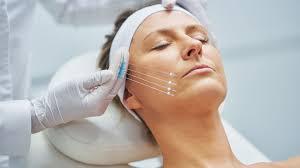
How Tajmeels Clinic Personalizes Thread Lift Treatments for Different Face Shapes

A thread lift is a minimally invasive cosmetic procedure designed to provide subtle lifting and improve the appearance of mild to moderate skin laxity. It uses specially designed medical threads placed beneath the skin to support selected tissues and create a more lifted appearance. Certain thread materials may also stimulate collagen production as the skin responds to treatment.
When considering a Thread lift in Dubai, it is important to understand that facial anatomy differs from person to person. A treatment that enhances one person's jawline may not achieve the same effect for someone with different facial proportions. Personalized planning helps practitioners select an appropriate approach based on individual needs rather than following a standard technique for every patient.
At Tajmeels Clinic, understanding the patient's face shape, skin condition, and desired outcome is an important part of developing an individualized treatment plan.
Why Face Shape Matters in Thread Lift Planning
Face shape influences how lifting and contouring may affect overall facial balance. Common facial shapes include oval, round, square, heart-shaped, and oblong faces. However, these categories are only general guides. Skin elasticity, tissue volume, facial asymmetry, and the degree of sagging also influence treatment decisions.
A qualified practitioner evaluates these features before recommending a thread lift. The aim is to complement the patient's existing features instead of creating an unnatural or overly tight appearance.
Personalized planning may consider the cheeks, lower face, jawline, and other areas where lifting could be appropriate. Not everyone will benefit from the same treatment, and some patients may achieve better results with alternative procedures or non-invasive options.
How Thread Lift Approaches May Differ by Face Shape
Thread Lift for Round Faces
Round faces often have fuller cheeks and softer facial contours. Some patients may wish to improve definition around the lower face or jawline.
Depending on the individual's anatomy, a practitioner may assess whether supporting selected tissues could improve facial definition. The objective is to create a subtle, balanced appearance rather than excessively narrowing the face.
It is important to distinguish between skin laxity and facial fullness. A thread lift may help support sagging tissues, but it does not remove fat or significantly reduce facial volume.
Thread Lift for Square Faces
Square faces typically have a more prominent jawline and a broader lower facial structure. Some individuals want to soften the appearance of sagging around the cheeks or jowls while maintaining their natural facial character.
Treatment planning focuses on the areas that would benefit from support without unnecessarily changing the patient's existing proportions. A careful assessment helps determine whether a thread lift is suitable for the specific concern.
Thread Lift for Oval Faces
Oval faces generally have balanced facial proportions, although age-related changes can still affect cheek position and jawline definition.
For these patients, treatment may focus on addressing localized skin laxity while preserving natural contours. A conservative approach can be appropriate when the primary goal is subtle rejuvenation rather than a dramatic change.
Thread Lift for Heart-Shaped Faces
Heart-shaped faces often feature a wider forehead and cheek area with a narrower chin. Changes in cheek support or lower-face skin laxity may affect the balance between the upper and lower face.
A personalized assessment considers these proportions before determining whether lifting is appropriate. The aim is to maintain facial harmony without creating excessive tension or an unbalanced result.
Thread Lift for Oblong Faces
Oblong faces are generally longer than they are wide. Patients with this face shape may be concerned about cheek sagging or changes in lower-face definition.
Treatment planning should account for overall facial proportions rather than focusing on lifting alone. The practitioner evaluates whether supporting specific tissues could improve the appearance while maintaining a natural-looking outcome.
These approaches are not fixed rules. Two people with the same face shape may require different recommendations because their skin quality, tissue structure, and aesthetic goals differ.
The Role of Skin Quality and Facial Anatomy
Face shape is only one part of a comprehensive thread lift assessment. Skin elasticity, the extent of sagging, tissue thickness, previous cosmetic procedures, and general health can influence suitability.
Patients with mild to moderate skin laxity may be considered for a thread lift, while those with substantial excess skin may require another approach. Thread lifts also have limitations: results are generally more subtle and less durable than those of surgical facelifts.
A qualified medical practitioner should explain the expected benefits, possible limitations, and risks, which may include swelling, bruising, discomfort, infection, skin irregularities, thread visibility, or asymmetry.
What Happens During a Personalized Thread Lift Consultation?
A consultation helps establish whether the procedure aligns with the patient's needs. The practitioner may review medical history, assess facial anatomy, examine skin laxity, and discuss previous treatments.
Patients should explain which features concern them and what they hope to achieve. Sharing these expectations helps the practitioner distinguish between realistic improvements and outcomes that may require a different procedure.
The treatment plan may address the appropriate technique, areas to treat, recovery expectations, and follow-up arrangements. Patients should also receive clear aftercare instructions and information about warning signs that require medical attention.
Personalized Thread Lift Care at Tajmeels Clinic
At tajmeels clinic dubai, patients considering a thread lift in Dubai can discuss their facial concerns, aesthetic preferences, and expectations during a consultation. An individualized approach considers face shape alongside skin laxity, facial proportions, medical suitability, and the degree of improvement the patient hopes to achieve.
Treatment recommendations should be based on a professional assessment rather than face shape alone. Where a thread lift is unlikely to provide a satisfactory result, discussing alternative options can help patients make informed decisions.
Clear communication about potential outcomes, recovery, limitations, and risks is essential to responsible cosmetic care. Patients should feel comfortable asking questions and taking time to consider their options before proceeding.
How to Maintain Results After a Thread Lift
Following the practitioner's aftercare guidance is important for recovery. Patients may be advised to avoid strenuous exercise, excessive facial movements, pressure on the treated areas, or facial massages for a specified period.
Recovery instructions vary according to the technique used and the individual's circumstances. Attending recommended follow-up appointments allows the practitioner to assess healing and address concerns.
Healthy skincare habits and sun protection support general skin health, although they cannot prevent the natural aging process or guarantee longer-lasting thread lift results.
Conclusion
Personalizing thread lift treatment according to face shape helps practitioners consider facial balance, skin laxity, and individual aesthetic goals. Whether someone wants more defined contours or subtle lifting, the most appropriate approach depends on a comprehensive assessment rather than a one-size-fits-all technique. A consultation at Tajmeels Clinic can help patients in Dubai understand their suitability, expected results, and available treatment options before making an informed decision.\
More Information
Tajmeels Clinic Dubai
WhatsApp: +971 56 203 8751
Phone: tel:+971 43739000
Social Media:
