

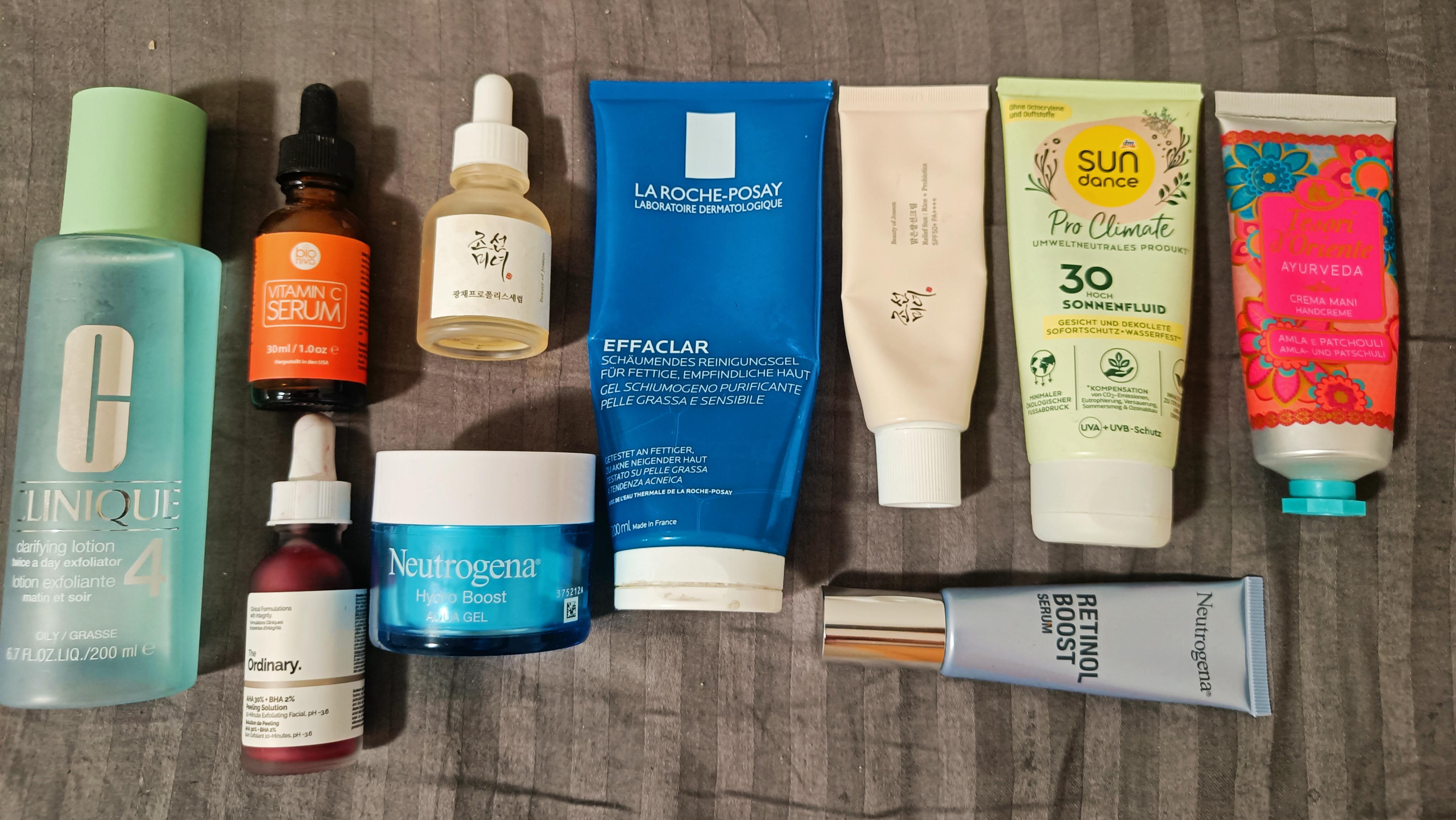

Anti Pollution Skincare Product Market prospects are influenced by changing beauty habits, greater access to skincare information, and demand for products suited to modern lifestyles. Consumers compare personal-care products according to texture, ease of use, formulation, packaging, and suitability for their routines. This creates opportunities for brands to develop cleansers, moisturizers, serums, and facial creams for different preferences. The category also encourages companies to improve product descriptions and help shoppers understand how individual formulations fit into everyday care. Long-term development will depend on offering useful products and maintaining realistic expectations about their intended cosmetic benefits.
An important opportunity involves pollution-conscious facial skincare solutions that support consumers' cleansing and hydration routines. Different shoppers may prioritize different features, including gentle cleansing, lightweight texture, moisture retention, or convenient application. Product developers can respond by creating specialized ranges that explain their intended use clearly. Consumers should be able to distinguish between products designed primarily for cleansing and those intended for moisturizing or other cosmetic purposes. Brands that make these differences easy to understand can help customers choose suitable options without encouraging unnecessary or overly complicated routines.
Consumer segmentation can influence the way products are developed and marketed. Some people prefer a minimal routine with a small number of products, while others enjoy using separate formulations for different steps. Climate, daily activities, skin type, and personal preferences can also influence product selection. Brands can review customer feedback to identify popular formats and unmet needs. However, they should avoid assuming that a particular product is suitable for everyone. Clear guidance and well-organized product ranges can make shopping easier and help customers identify products that align with their personal-care habits.
Retail channels will continue to influence product discovery and purchasing. Online stores provide access to product details, customer reviews, and comparisons, while physical retailers can offer direct assistance and opportunities to explore different textures. Beauty brands can strengthen their presence by providing consistent descriptions across websites, marketplaces, and retail displays. Clear labeling and helpful instructions support informed purchasing decisions. Businesses also need to maintain reliable stock, suitable pricing, and responsive customer support. A convenient shopping experience can encourage consumers to return when they need to replenish products that have become part of their regular routines.
Product quality and responsible marketing will remain important as competition increases. Consumers may look for information about formulation, intended benefits, ingredients, and application instructions. Manufacturers should ensure that claims are supported appropriately and that products comply with relevant requirements. Clear communication is especially important when products are promoted around environmental exposure, because consumers may interpret broad claims as guarantees of protection. Brands can build credibility by explaining what their products are designed to do and avoiding unsupported promises. Consistent quality and transparent labeling can help customers compare options with greater confidence.
Packaging and sustainability considerations may also shape product development. Consumers may value convenient dispensing, durable containers, clear recycling guidance, or reduced unnecessary packaging. Brands can evaluate these preferences alongside product stability, hygiene, manufacturing needs, and cost. Environmental claims should be specific and supportable, and packaging changes should not compromise the quality of the formulation. Businesses that balance usability with credible design choices can respond to customer expectations while maintaining practical product performance. These improvements can form part of a broader strategy focused on product quality and a more thoughtful consumer experience.
Digital education and customer engagement can help brands explain the role of different skincare products. Websites, educational articles, social media, and creator partnerships can introduce consumers to cleansing, hydration, and other personal-care practices. Effective content should remain accessible and balanced, avoiding fear-based messages about pollution or implying that every shopper needs specialized products. Customer questions and reviews can help businesses identify where further explanation is needed. Brands that respond with clear information may build stronger relationships and encourage more informed purchasing. Trustworthy communication is particularly valuable in a market where consumers encounter many competing claims.
The outlook for the Anti Pollution Skincare Product Market will depend on formulation development, consumer preferences, retail convenience, and the credibility of product information. Companies that focus on practical benefits and dependable quality can respond to evolving skincare routines. Opportunities may arise through specialized product ranges, improved packaging, and better digital shopping experiences. However, sustained success requires more than trend-led marketing. Brands need to understand individual needs, follow applicable requirements, and explain product benefits responsibly. By combining useful design with transparent communication, businesses can strengthen customer confidence and contribute to a more informed skincare marketplace.
FAQs
What may influence future market development?
Consumer awareness, product innovation, retail access, packaging, and skincare habits may influence development.
What should consumers check before purchasing?
They should review product purpose, ingredients, instructions, suitability, and relevant precautions.
How can skincare brands build consumer trust?
Through consistent quality, clear labeling, appropriate testing, and realistic product claims.
