

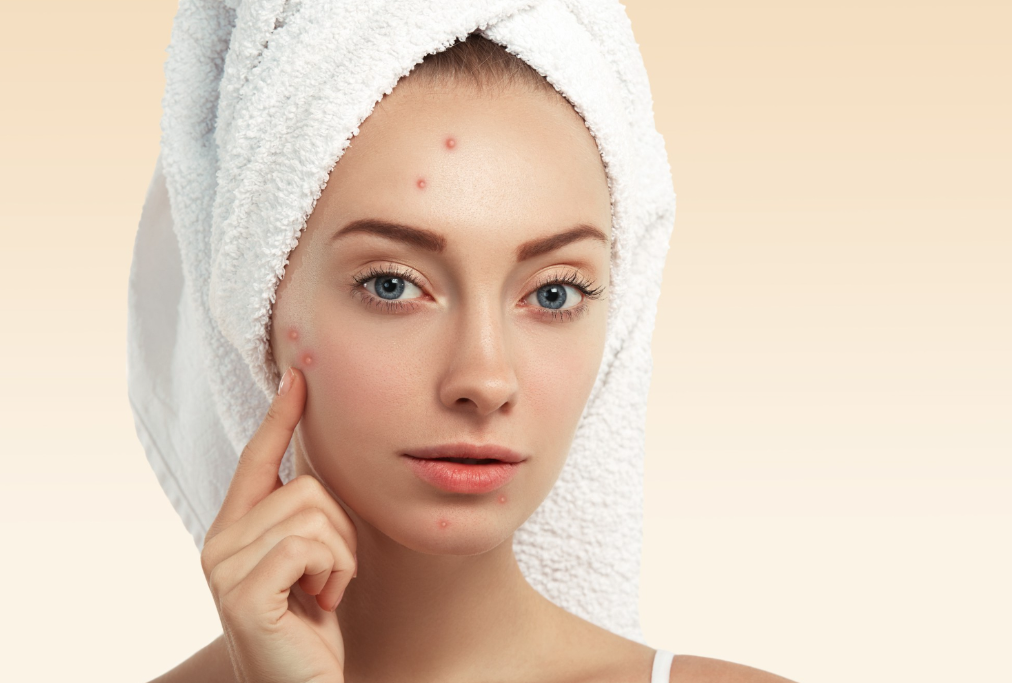
Acne Treatment In Manchester: Professional Care for Clearer Complexion

Acne is one of the most common skin concerns, affecting people of different ages and skin types. It can appear as blackheads, whiteheads, inflamed spots, or deeper blemishes across the face, chest, shoulders, and back. For many individuals, persistent acne can also leave uneven skin texture and marks that remain visible after active breakouts have improved.
Acne Treatment In Manchester offers individuals an opportunity to explore professional skincare options tailored to their specific concerns. With an appropriate treatment plan, it may be possible to manage active breakouts, improve the overall appearance of the skin, and support a clearer-looking complexion.
At SLA Medical Clinic, individuals can discuss their skin concerns and explore suitable approaches to acne care through a personalised consultation. Understanding the causes of acne, the available treatments, and the importance of consistent skincare can help people make informed decisions about their skin health.
What Is Acne?
Understanding Common Skin Breakouts
Acne is a skin condition that develops when hair follicles become blocked with oil and dead skin cells. Bacteria naturally present on the skin and inflammation can also contribute to the development of spots.
Acne can appear in several forms, including:
- Blackheads, which are open clogged pores
- Whiteheads, which are closed clogged pores
- Papules, which are small inflamed bumps
- Pustules, which are spots containing pus
- Deeper, more inflamed blemishes that may require specialised medical care
The type and severity of acne can vary considerably from one person to another. Some individuals experience occasional spots, while others develop persistent breakouts that require a more structured treatment plan.
Why Acne Can Be Difficult to Manage
Acne does not always respond to the same skincare products or routines. Factors such as hormonal changes, excess oil production, genetics, and the type of acne involved can influence how the skin behaves.
Using multiple products without understanding their purpose can also make it difficult to identify what works for a particular skin type.
Professional assessment can help identify the main concerns and establish a more suitable approach to managing breakouts.
Why Consider Acne Treatment In Manchester?
A Personalised Approach to Skin Care
Acne treatment is not simply about removing visible spots. It involves understanding the underlying factors contributing to breakouts and choosing an approach suited to the individual's skin.
Acne Treatment in Manchester may be considered by people experiencing recurring blemishes, congested pores, oily skin, or uneven texture following previous breakouts.
A personalised treatment plan can focus on managing active acne while supporting the overall appearance and condition of the complexion.
Supporting a Clearer-Looking Complexion
Persistent breakouts can affect the skin's appearance and make it difficult to maintain a consistent skincare routine. Professional acne care can help individuals understand which treatments may be appropriate and how to incorporate them into their daily habits.
Depending on the type of acne, treatment may focus on reducing clogged pores, managing excess oil, calming inflammation, or improving the appearance of post-acne marks.
Understanding Individual Skin Needs
Every person's skin responds differently to products and treatments. Someone with occasional blackheads may need a different approach from someone experiencing inflamed breakouts or established acne scarring.
At SLA Medical Clinic, a consultation can help establish individual treatment goals and identify options that may suit the person's skin condition.
What Causes Acne?
Excess Oil Production
The skin naturally produces sebum, an oily substance that helps maintain its protective barrier. However, excessive sebum production can contribute to clogged pores, particularly when oil combines with dead skin cells.
People with naturally oily skin may therefore experience more frequent congestion and breakouts.
Blocked Pores
Dead skin cells are normally shed from the skin's surface. When these cells accumulate inside hair follicles and combine with oil, they can create blockages that develop into blackheads, whiteheads, or other types of acne.
Treatments that help regulate pore congestion may be useful, depending on the individual's skin and the type of blemishes present.
Hormonal Changes
Hormonal fluctuations can influence oil production and contribute to breakouts. Acne may become more noticeable during adolescence, around menstrual cycles, or during other periods of hormonal change.
Adults can also experience persistent hormonal acne, particularly around the chin, jawline, and lower face.
Genetic Factors
Family history can influence the likelihood of developing acne. Genetics may affect oil production, skin inflammation, and the way pores become blocked.
Although genetic factors cannot be changed, an appropriate skincare routine and treatment plan can help manage the visible effects of acne.
Lifestyle and Skincare Habits
Certain skincare habits may contribute to congestion or irritation. For example, using products that are unsuitable for an individual's skin type or introducing several active ingredients at once may make the complexion harder to manage.
Stress, sleep patterns, and lifestyle factors can also influence acne for some people, although they are not the sole causes of the condition.
What Are the Different Types of Acne?
Blackheads and Whiteheads
Blackheads and whiteheads are non-inflammatory forms of acne associated with clogged pores.
Blackheads appear dark because the material within an open pore reacts with the air. Whiteheads remain covered by a thin layer of skin and usually appear as small, pale bumps.
A suitable skincare routine may include ingredients that help keep pores clear and reduce the formation of new blockages.
Inflammatory Acne
Inflammatory acne includes red bumps and pustules that develop when the skin's inflammatory response becomes involved.
This type of acne may require more targeted treatment than simple pore congestion. The most appropriate option depends on the extent of the breakouts and the individual's skin condition.
Hormonal Acne
Hormonal acne often develops in patterns associated with hormonal fluctuations. Some adults experience recurring breakouts around the chin, jawline, or lower cheeks.
Treatment may involve appropriate topical products or, where indicated, clinician-prescribed medication. The choice depends on the person's medical history and the nature of their acne.
Acne Scarring and Post-Acne Marks
Acne can sometimes leave marks after active blemishes have healed. These may include flat areas of darker pigmentation, red or pink marks, or changes in skin texture.
Post-acne pigmentation and true acne scars are different concerns and may require different treatments. An assessment can help determine which approach is most appropriate.
Which Professional Acne Treatments Are Available?
Professional Skin Assessment
A skin assessment helps establish the type of acne, the areas affected, and the main treatment priorities.
At SLA Medical Clinic, individuals can discuss their current skincare routine, previous treatments, and desired outcomes as part of a personalised consultation.
This information can help guide treatment selection and establish realistic expectations.
Medical-Grade Skincare
Certain skincare ingredients can help manage acne by addressing clogged pores, excess oil, or inflammation.
Depending on individual needs, a practitioner may recommend products containing ingredients such as salicylic acid, benzoyl peroxide, or retinoids. These ingredients work differently, and the most suitable choice depends on the type of acne and skin sensitivity.
A consistent routine is generally more helpful than repeatedly switching products without allowing enough time to assess their effectiveness.
Chemical Peels for Acne-Prone Skin
Chemical peels use specific acids to exfoliate the skin and encourage the shedding of surface cells. Certain peels may help improve the appearance of clogged pores, uneven texture, and post-acne marks.
The type and strength of peel should be selected according to the individual's skin condition, pigmentation concerns, and treatment goals.
Professional guidance can help determine whether a chemical peel is appropriate as part of an acne management plan.
Professional Treatments for Acne Marks
Once active acne is better controlled, some individuals may want to address the marks or textural changes left behind.
Depending on the concern, options may include selected chemical peels, microneedling, or other professionally administered skin treatments.
These procedures are not suitable for every type of acne or every skin type. The choice of treatment should take into account the individual's current breakouts, skin tone, healing response, and desired results.
Medical Treatments for Persistent Acne
Some forms of acne require medical treatment rather than cosmetic procedures alone. Depending on the diagnosis, a qualified clinician may recommend prescription topical treatments or oral medication.
Persistent, painful, or deeply inflamed acne may benefit from a medical assessment to help identify the most appropriate course of care.
How Does an Acne Treatment Plan Work?
Step One: Identifying the Main Concerns
The first step is to understand the type of acne and how it affects the skin.
The practitioner may assess the location of breakouts, the presence of inflammation, pore congestion, and any post-acne marks. Previous treatments and the individual's skincare habits may also be discussed.
Step Two: Selecting Suitable Treatments
The next step is to identify treatments that match the individual's skin condition.
For some people, a straightforward skincare routine may be sufficient. Others may benefit from professional procedures or medical treatments, depending on the nature and severity of their acne.
Step Three: Establishing a Consistent Routine
Acne management often requires consistency. The skin may need several weeks to respond to a new routine, so treatments should be evaluated over an appropriate period rather than changed too frequently.
A practitioner can provide guidance on how to use recommended products and when progress should be reviewed.
Step Four: Reviewing Progress
Follow-up assessments can help determine whether the treatment plan is working as intended.
If breakouts continue or the skin's needs change, the approach may be adjusted. Once active acne is better controlled, attention can shift towards maintaining the results and improving the appearance of residual marks.
Who May Benefit From Professional Acne Treatment?
People With Recurring Breakouts
Individuals who experience repeated blemishes despite using everyday skincare products may benefit from a more structured approach.
Professional guidance can help identify whether the main concern is clogged pores, inflammation, hormonal acne, or a combination of factors.
Adults With Persistent Acne
Acne is not limited to teenagers. Adults may experience recurring breakouts that continue for years or develop later in life.
Treatment should reflect the person's skin type, medical history, and the pattern of their acne rather than relying on assumptions based on age.
Individuals Concerned About Post-Acne Marks
Some people seek treatment because their active breakouts have improved but uneven pigmentation or textural changes remain.
An assessment can help distinguish between temporary marks and established scars, allowing a more targeted treatment plan to be considered.
How Long Does Acne Treatment Take to Work?
Gradual Improvement
Acne treatments generally require time to produce noticeable changes. Some individuals begin to see improvements within several weeks, while others need a longer period or a combination of treatments.
The timeline depends on the type of acne, the treatment selected, and how consistently the plan is followed.
Why Consistency Matters
Changing products too frequently can make it difficult to determine whether a treatment is effective. Some active ingredients also need time to influence pore congestion and inflammation.
Following a suitable routine and reviewing progress at appropriate intervals can help establish whether the treatment is delivering the expected improvement.
Maintaining Long-Term Results
Acne can recur even after a period of improvement. A maintenance routine may therefore be helpful for people who are prone to repeated breakouts.
The appropriate maintenance approach depends on the individual's skin and whether their acne is influenced by hormonal or other ongoing factors.
Acne Treatment Cost In Manchester
What Determines the Cost of Acne Treatment?
The Acne Treatment Cost In Manchester varies according to the type of treatment, the severity of the acne, and the number of appointments required.
Some individuals may need a consultation and a tailored skincare routine, while others may require a course of professional treatments or medical care.
Factors that may influence the overall cost include:
- The type of acne being treated
- The size and number of affected areas
- The treatment method selected
- The number of sessions required
- The products or prescribed treatments recommended
- The need for follow-up appointments
- Whether additional treatment is needed for acne marks or scarring
The exact cost can be established more accurately after an assessment.
Cost of Professional Acne Facials and Peels
Professional facials and chemical peels may be considered for selected acne concerns. Their pricing can vary depending on the procedure, products used, treatment area, and number of sessions recommended.
Some individuals may benefit from a single treatment, while others may need a series of appointments to support their goals.
It is important to understand what each procedure is intended to address and whether it is appropriate for the current condition of the skin.
Cost of Treating Acne Scars
Treatments for established acne scars can differ from those used to manage active breakouts.
For example, improving uneven pigmentation may require a different approach from treating depressed scars or persistent textural changes. The treatment plan and overall cost will depend on the type and extent of the concern.
A personalised assessment can help clarify which procedures may be appropriate and how many sessions might be needed.
Why a Consultation Helps With Pricing
The Acne Treatment Cost In Manchester should reflect the treatment actually required rather than a generic estimate.
At SLA Medical Clinic, individuals can discuss their skin concerns, explore suitable treatment options, and ask about pricing as part of the consultation process.
Before proceeding, it is helpful to clarify what the quoted cost includes, whether multiple sessions are recommended, and whether follow-up care is part of the proposed plan.
How to Build a Skincare Routine for Acne-Prone Skin
Gentle Cleansing
A gentle cleanser can help remove excess oil, sweat, makeup, and everyday impurities without unnecessarily stripping the skin.
Washing the face twice daily is often sufficient for many people. Excessive cleansing or harsh scrubbing can irritate the skin and make a skincare routine harder to maintain.
Choosing Suitable Active Ingredients
Ingredients such as salicylic acid can help address clogged pores, while benzoyl peroxide may help manage acne-causing bacteria and inflammatory breakouts. Topical retinoids can also help regulate the shedding of skin cells and prevent blocked pores.
Not every ingredient is suitable for everyone. Introduce active products carefully and follow professional guidance, particularly if the skin is sensitive or easily irritated.
Using a Suitable Moisturiser
Moisturising remains important even for oily or acne-prone skin. A lightweight, non-comedogenic moisturiser can help support the skin barrier without unnecessarily contributing to pore congestion.
Maintaining the skin barrier may also improve tolerance of active skincare ingredients.
Daily Sun Protection
Sun protection is an important part of skincare, particularly for people who experience post-acne pigmentation.
A broad-spectrum sunscreen can help protect the skin from ultraviolet exposure and reduce the likelihood of existing dark marks becoming more noticeable.
How to Prepare for Professional Acne Treatment
Discuss Your Current Skincare Routine
Before treatment, explain which cleansers, moisturisers, exfoliants, and active ingredients you currently use.
This information helps the practitioner understand how your skin is being cared for and whether any adjustments may be appropriate.
Share Previous Treatment Information
If you have previously tried prescription medication, professional facials, chemical peels, or other procedures, mention these during your consultation.
Knowing what has already been tried can help guide the selection of suitable next steps.
Set Realistic Expectations
Acne management is often a gradual process rather than a single-session solution. The goal may be to reduce active breakouts, improve skin texture, or address marks left by previous acne.
Understanding which concern is being treated helps establish a realistic timeline and a more focused treatment plan.
Aftercare Following Professional Acne Treatment
Follow the Recommended Instructions
Aftercare varies depending on the procedure performed. Your practitioner may provide guidance about cleansing, moisturising, sun protection, and the temporary use of active skincare products.
Following these instructions helps support the skin as it responds to treatment.
Avoid Unnecessary Product Changes
Introducing multiple new products immediately after a treatment can make it difficult to determine how the skin is responding.
A simple routine using suitable products is often easier to maintain and evaluate.
Continue Monitoring Your Skin
Changes in acne activity, texture, and pigmentation can occur over time. Keeping track of progress can help you and your practitioner understand which parts of the treatment plan are working.
If the original concerns persist, a follow-up consultation may help determine whether adjustments are needed.
Why Choose SLA Medical Clinic for Acne Treatment In Manchester?
A Personalised Approach to Skin Concerns
Acne can develop for several reasons, and the most suitable treatment depends on the individual's skin condition and goals.
At SLA Medical Clinic, a consultation provides an opportunity to discuss recurring breakouts, clogged pores, uneven texture, and post-acne marks.
Treatment Options Based on Individual Needs
Some people need support with active acne, while others are more concerned about the appearance of marks left behind. A tailored approach helps distinguish between these priorities and identify appropriate options.
Treatment planning should focus on the underlying concern rather than assuming that every form of acne responds to the same procedure.
Guidance on Skincare and Maintenance
Professional treatment can be complemented by a consistent home skincare routine.
Understanding which products to use, how to introduce active ingredients, and when to review progress can help individuals maintain a more organised approach to acne care.
Clear Information About Treatment Costs
Understanding the proposed treatment and its expected cost is an important part of making an informed decision.
Discussing the Acne Treatment Cost In Manchester during a consultation can help clarify the anticipated number of appointments, the procedures involved, and any ongoing skincare requirements.
Frequently Asked Questions About Acne Treatment In Manchester
What is the best treatment for acne?
The most appropriate treatment depends on the type and severity of acne. Options may include topical skincare ingredients, prescription medication, chemical peels, or other professionally recommended treatments.
A personalised assessment helps determine which approach is suitable.
Can professional acne treatment improve skin texture?
Some treatments can help improve the appearance of uneven texture associated with clogged pores and acne marks. Established scars may require a more specific treatment plan, depending on their type and depth.
How long does acne treatment take to show results?
Many acne treatments require several weeks before noticeable improvement develops. More persistent acne may take longer to manage and may require adjustments to the treatment plan.
Can adults receive acne treatment?
Yes. Acne affects both teenagers and adults. Treatment can be tailored to the individual's skin type, medical history, and pattern of breakouts.
Can acne marks be treated?
Yes. Depending on whether the marks involve pigmentation, redness, or textural changes, options may include selected skincare ingredients, chemical peels, microneedling, or other professionally recommended procedures.
Does acne treatment require multiple sessions?
Not always. The number of sessions depends on the treatment selected and the skin concern being addressed. Some people need a single professional appointment, while others benefit from a course of treatments or ongoing medical care.
How much does acne treatment cost in Manchester?
The Acne Treatment Cost In Manchester depends on the type of acne, treatment method, number of sessions, and whether additional care is needed for acne marks or scarring. A consultation can provide a more specific estimate.
Can skincare products alone manage acne?
Some mild cases of acne can improve with an appropriate over-the-counter skincare routine. Persistent or more severe acne may require professional assessment and prescription treatment.
Is acne treatment suitable for sensitive skin?
Treatment may be possible for sensitive skin, but the products and procedures should be selected carefully. A practitioner can help identify suitable options and establish an approach that takes skin sensitivity into account.
Book an Acne Treatment Consultation In Manchester
Acne can affect people at different stages of life, and its causes and appearance vary from person to person. Understanding the type of acne involved is an important first step towards choosing suitable treatment.
Acne Treatment in Manchester provides an opportunity to explore professional care for recurring breakouts, clogged pores, uneven texture, and post-acne marks.
At SLA Medical Clinic, you can discuss your skin concerns, explore appropriate treatment options, and ask about the Acne Treatment Cost In Manchester as part of a personalised consultation.
With an appropriate treatment plan, consistent skincare, and realistic expectations, it is possible to work towards a clearer-looking complexion and better long-term management of acne.
