

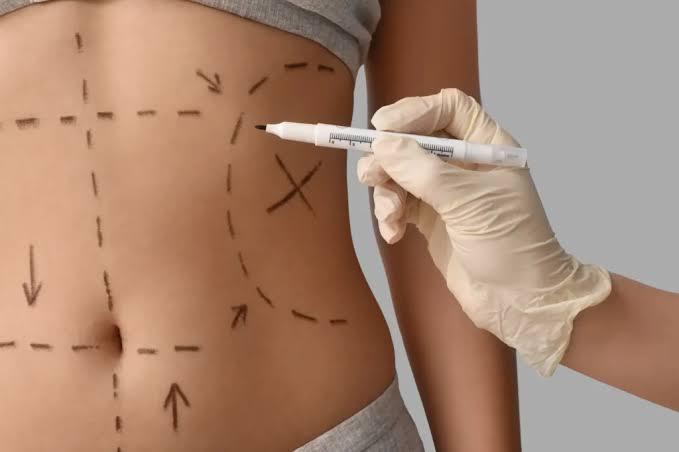

Liposuction before-and-after results are best understood as a gradual transformation rather than an immediate change in body shape. Although the procedure removes targeted fat deposits during surgery, the final appearance develops as swelling subsides, tissues recover, and the skin adapts to the body's new contours. Understanding this Liposuction Before and After helps patients set realistic expectations and recognise the difference between normal healing changes and results that may require medical review.
For people considering treatment in Dubai, knowing how healing progresses is just as important as understanding the procedure itself. The first few days may involve swelling, bruising, tenderness, and temporary changes in body shape. During the following weeks, these effects generally begin to settle, allowing the treated areas to appear more defined. However, deeper tissue healing and skin retraction can continue for several months, meaning early photographs rarely represent the final outcome.
The pace of recovery varies according to the treatment area, the amount of fat removed, skin elasticity, surgical technique, and individual healing characteristics. Following postoperative instructions, wearing compression garments as advised, and attending scheduled follow-up appointments can support a smoother recovery.
When researching Liposuction, patients should look beyond dramatic before-and-after photographs and consider how results evolve over time. Clinics such as Dynamic Life Clinic, Tajmeels Clinic, Enfield Royal Clinic, My London Skin Clinic, and Dr Anshu Plastic Surgeon may be among the options patients investigate, but the most suitable choice depends on medical qualifications, surgical facilities, aftercare, and an individualised treatment plan.
How Liposuction Results Change During Healing
Liposuction removes localised fat deposits to improve body proportions. It is not a weight-loss procedure, and the initial postoperative appearance can differ considerably from the eventual result.
Immediately After the Procedure
During the first few days, swelling, bruising, fluid retention, and tenderness are common. Some patients notice that the treated area appears almost unchanged in size or temporarily looks fuller than expected.
This does not necessarily mean the procedure has been unsuccessful. Surgical inflammation and fluid accumulation can conceal early contour improvements. Small incision sites may also require dressings, and compression garments are commonly recommended to help manage swelling.
Patients should prioritise rest, prescribed medication, gentle movement as instructed, and the surgeon's wound-care guidance. Strenuous activity should be avoided until the treating team confirms it is appropriate.
The First Few Weeks
As recovery progresses, swelling generally begins to decrease, and the outline of the treated area may become easier to recognise. Bruising often fades, while tenderness and temporary firmness can persist.
During this stage, clothing may fit differently, and waist, thigh, arm, or abdominal contours may start to look more balanced. Nevertheless, results can fluctuate from day to day because swelling does not always resolve evenly.
It is too early to judge the final outcome solely from photographs taken during this period. Patients should continue wearing compression garments for the recommended duration and attend follow-up visits to monitor healing.
One to Three Months After Treatment
Between the first and third months, many patients begin to see more noticeable contour definition. Residual swelling gradually settles, and treated tissues start to feel less firm as healing advances.
Skin response becomes increasingly relevant during this phase. Skin with good elasticity may adapt more effectively to the reduced underlying fat volume, while skin with limited elasticity may remain loose or uneven.
The degree of improvement depends on the original anatomy, treatment area, surgical approach, and individual recovery. Some patients see substantial changes during this period, while others need longer before the outcome becomes clear.
Three to Six Months and Beyond
By three to six months, much of the postoperative swelling has usually subsided, allowing a more reliable assessment of body contours. However, subtle swelling, tissue firmness, and skin adaptation can continue beyond this timeframe.
Some patients may require six months or longer for their results to mature fully, particularly after more extensive treatment. The surgeon can assess whether remaining irregularities are part of normal healing or warrant further investigation.
Maintaining a stable weight helps preserve the contour improvement. Although treated fat cells are removed, remaining fat cells can enlarge with weight gain, potentially changing the body's proportions.
Clinics to Consider When Researching Liposuction in Dubai and Beyond
Choosing a clinic involves more than comparing photographs or advertised prices. Patients should investigate the operating surgeon's credentials, the suitability of the proposed procedure, the safety of the surgical setting, and the quality of postoperative support.
The following providers offer different points of reference for patients researching aesthetic treatment. Their inclusion is not a ranking or a guarantee of clinical outcomes; current services, practitioner credentials, and treatment arrangements should be confirmed directly.
My London Skin Clinic
My London Skin Clinic may be worth researching for patients exploring aesthetic care in the UK. When evaluating its suitability for body-contouring treatment, prospective patients should establish whether the clinic currently offers surgical liposuction or focuses on non-surgical aesthetic services.
This distinction matters because non-surgical fat-reduction treatments differ from surgery in their techniques, risks, recovery periods, and expected results. Patients interested in surgical treatment should confirm who would perform the operation, where it would take place, and what medical supervision would be available during recovery.
Before making a decision, ask for a clear explanation of expected contour changes, potential complications, and the follow-up arrangements available if healing takes longer than anticipated.
Enfield Royal Clinic
Enfield Royal Clinic is an option patients may investigate when researching cosmetic procedures and body-contouring services in Dubai. Those considering Liposuction should arrange a consultation to establish whether the proposed treatment is appropriate for their anatomy, health history, and aesthetic goals.
A useful consultation should cover the expected recovery timeline, the likelihood of temporary swelling or unevenness, and the factors that influence skin retraction. Patients should also confirm the operating surgeon's qualifications, the location and accreditation of the surgical facility, and arrangements for postoperative reviews.
Before proceeding, prospective patients should ask how complications are managed, whom to contact outside normal clinic hours, and when it will be appropriate to assess the final contour. These details are important because a responsible treatment plan addresses both the operation and the months of healing that follow.
Dynamic Life Clinic
Dynamic Life Clinic is another provider patients may research when comparing aesthetic treatment options in Dubai. Those considering body contouring should verify the clinic's current surgical services and determine which qualified practitioner would assess and perform the procedure.
The consultation should establish whether the patient's main concern is localised fat, loose skin, or a combination of both. Liposuction can reduce targeted fat deposits, but it does not reliably correct substantial skin laxity or replace procedures designed specifically to remove excess skin.
Patients should also discuss how the clinic monitors recovery, when compression garments should be worn, and how progress will be assessed at follow-up appointments. A clear explanation of realistic outcomes is particularly important when reviewing before-and-after photographs, which can be influenced by lighting, posture, and the stage of healing.
Dr Anshu Plastic Surgeon
Dr Anshu Plastic Surgeon is a provider patients may explore through the practice's website, dranshuplasticsurgeon.com, when researching plastic surgery options. Prospective patients should review the surgeon's verified qualifications, relevant experience, current practice location, and the procedures offered.
For anyone considering surgical fat removal, it is important to understand how the surgeon evaluates body proportions, skin elasticity, and the distribution of fat before recommending treatment. These factors influence the surgical plan and the likely appearance of the treated area as healing progresses.
Patients should ask whether follow-up photographs are taken at consistent intervals and how the surgeon distinguishes expected postoperative swelling from persistent contour irregularities. Clear postoperative instructions and access to medical review are important considerations when comparing surgical providers.
Tajmeels Clinic
Tajmeels Clinic is another name patients may encounter while researching cosmetic treatment options. Before booking, patients should verify its current liposuction services, the qualifications of the practitioner responsible for treatment, and the location of any surgical facility used.
A thorough assessment should explain how the procedure may affect the patient's body contours over time rather than focusing exclusively on immediate changes. Patients should also understand the possibility of asymmetry, temporary firmness, skin irregularities, infection, and other surgical complications.
Ask how the clinic schedules follow-up appointments and what support is available if swelling persists or the treated area develops unexpected changes. Comparing these details can help patients make a more informed decision than relying on promotional claims alone.
How to Choose the Right Clinic for Liposuction
The quality of the consultation and the suitability of the surgical plan are central to achieving a safe, satisfactory outcome. When comparing clinics in Dubai or elsewhere, consider the following factors.
Experience and Qualifications
Confirm that the operating surgeon has recognised qualifications, appropriate registration, and relevant experience in body-contouring surgery. In Dubai, patients can check applicable professional licensing through the relevant health authority, such as the Dubai Health Authority where appropriate.
Ask how frequently the surgeon performs the proposed procedure and whether they have experience treating the specific area of concern. Experience should be assessed alongside professional credentials, transparent communication, and an appropriate approach to patient safety.
Technology and Surgical Techniques
Different liposuction techniques may be suitable for different patients. The recommended approach should be based on anatomy, the treatment area, medical history, and the surgeon's assessment rather than marketing terminology alone.
Ask what technique is proposed, why it is appropriate, and how it may influence recovery. No particular technology guarantees smoother skin, faster healing, or a superior cosmetic result for every patient.
Safety Standards
Confirm that surgery will take place in a properly equipped and appropriately licensed facility with suitable anaesthesia arrangements and emergency protocols.
The consultation should include a discussion of potential complications, including bleeding, infection, fluid collections, contour irregularities, changes in sensation, and risks associated with anaesthesia. Patients should understand when to seek urgent medical attention and how the surgical team handles postoperative concerns.
Consultation Process
A comprehensive consultation should include a review of medical history, medications, previous procedures, body-contouring goals, and factors that may affect recovery.
The surgeon should explain the likely benefits and limitations of treatment, possible alternatives, and the expected healing timeline. Patients should feel comfortable asking questions and should not be pressured into making an immediate decision.
Patient Experience and Aftercare
Before booking, clarify how follow-up appointments are arranged, who provides postoperative care, and how urgent concerns are handled.
Ask for examples of before-and-after photographs taken at comparable stages of recovery. Photographs can help illustrate possible outcomes, but they cannot guarantee that another patient will achieve the same result.
A reliable aftercare plan should include instructions for activity, wound care, compression garments, and gradual return to normal routines.
Expected Results and Skin Elasticity
Liposuction is most appropriate for selected areas of localised fat that remain despite a stable lifestyle. It does not treat obesity, guarantee weight loss, or reliably tighten significantly loose skin.
Patients with reduced skin elasticity may need to discuss alternative or additional treatments. The surgeon should explain what degree of contour improvement is realistic and how long it may take for swelling and tissue changes to settle.
Factors That Influence How Results Mature
Even when two patients undergo similar procedures, their recovery timelines may differ.
Treatment area and extent of surgery: Larger treatment areas or more extensive procedures may involve more swelling and a longer recovery.
Skin elasticity: Skin's ability to adapt to changes in underlying fat volume affects the final contour. Age, genetics, sun damage, and previous weight changes can influence this response.
Individual healing characteristics: General health, circulation, smoking, medication use, and other personal factors can affect recovery. Patients should disclose relevant information to their surgeon.
Postoperative care: Following instructions, attending reviews, and returning to activity gradually can help support recovery. Compression garments should be used as directed rather than according to a self-selected schedule.
Weight stability: Significant weight changes after surgery can alter the appearance of the treated areas. Maintaining a stable weight through sustainable nutrition and physical activity can help preserve results.
When Should You Contact Your Surgeon?
Some swelling, bruising, tenderness, and temporary firmness are expected after surgery. However, not every postoperative change should be attributed to normal healing.
Contact your surgical team promptly if you experience worsening pain, increasing redness, unusual discharge, fever, or swelling that becomes more pronounced rather than gradually improving.
Seek emergency medical attention for shortness of breath, chest pain, fainting, or sudden severe symptoms, as these can indicate serious complications.
If the treated area remains unusually firm, develops a persistent fluid-like swelling, or shows a pronounced contour change, arrange a clinical assessment rather than attempting to diagnose the problem from photographs.
Frequently Asked Questions
How long does it take to see the final results of liposuction?
Some contour changes may be noticeable within the first few weeks, but swelling can obscure the outcome. Many patients see clearer results over one to three months, with further refinement over three to six months. More extensive procedures or slower healing may require longer.
Why does the treated area sometimes look bigger after liposuction?
Postoperative inflammation and fluid accumulation can temporarily make an area look swollen or fuller than expected. This is common during early recovery, but worsening swelling, severe pain, or other unusual symptoms should be assessed by a medical professional.
Can liposuction results change after the swelling disappears?
Yes. As swelling decreases and tissues settle, the contours may appear more defined and natural. Skin adaptation and the resolution of deeper tissue changes can continue for several months, so early photographs may not reflect the mature outcome.
Does liposuction tighten loose skin as it heals?
Liposuction primarily removes localised fat rather than excess skin. Some skin may retract after treatment, particularly when elasticity is good, but the degree of tightening varies. Significant skin laxity may require a different procedure, which should be discussed during consultation.
Can weight gain affect liposuction before-and-after results?
Yes. Liposuction removes fat cells from selected areas, but remaining fat cells can enlarge if a person gains weight. This can change body proportions and reduce the visibility of the original contour improvement. Stable weight and sustainable lifestyle habits can help maintain the outcome.
Conclusion
Liposuction before-and-after results develop gradually as swelling decreases, tissues recover, and the skin adjusts to the changes beneath it. Although early improvements may become visible within weeks, a more dependable assessment often takes several months, and some patients require additional time for healing to mature.
The most useful way to evaluate potential results is to consider the entire recovery process rather than focusing on immediate postoperative photographs. Understanding realistic expectations, following medical advice, maintaining a stable weight, and attending follow-up appointments all contribute to informed postoperative care.
For patients comparing providers in Dubai and beyond, the priority should be a qualified surgeon, an appropriate surgical setting, clear communication about risks, and a structured aftercare plan. Choosing treatment on these grounds helps ensure that decisions are based on individual needs, realistic expectations, and patient safety rather than promises of rapid or guaranteed cosmetic change.
