

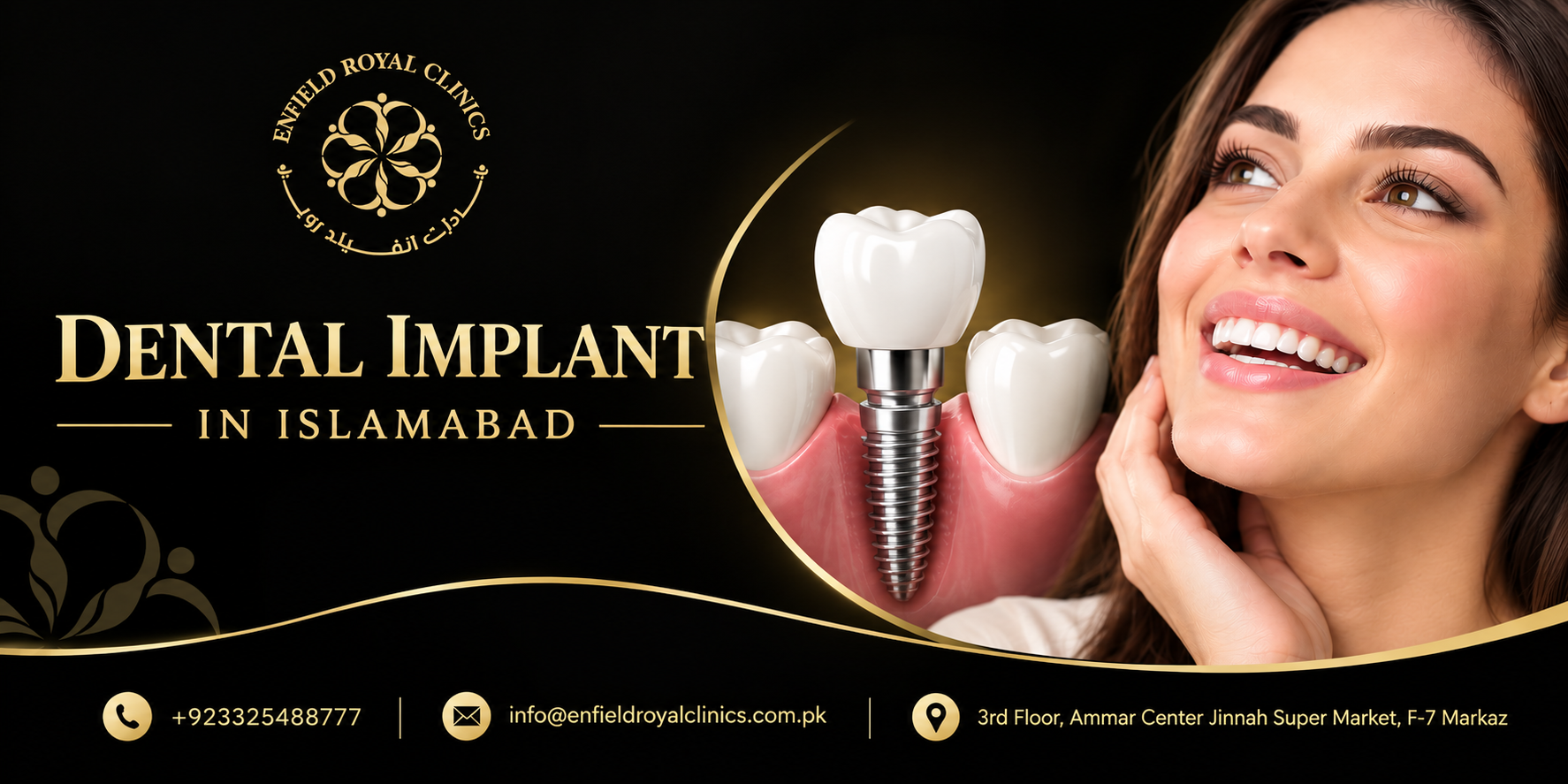

A dental implant is a popular option for replacing missing teeth because it provides a stable foundation for a natural-looking replacement tooth. However, the healing process takes time, and patients often want to know when they can eat comfortably, return to their usual routines, and enjoy the final results. The recovery period depends on several factors, including bone health, gum condition, oral hygiene, and whether additional procedures are needed.
For people considering a Dental implant in islamabad, understanding the healing timeline can help them prepare for treatment and follow the right aftercare routine. Although the visible part of the treatment may seem straightforward, the implant must bond securely with the jawbone before it can support the final restoration.
1. What Is the Typical Healing Time for a Dental Implant?
The healing time for a dental implant varies from person to person. In many cases, the initial recovery takes around one to two weeks, while the process of bonding the implant with the jawbone generally takes about three to six months. Some patients heal sooner, while others need additional time.
During the first few days, mild swelling, tenderness, and minor bleeding may occur. These symptoms usually improve gradually as the surgical site heals. Most patients can return to light daily activities within a day or two, depending on the complexity of the procedure and their comfort level.
However, feeling better does not necessarily mean the implant is fully healed. The jawbone needs sufficient time to grow around the implant and create a secure connection. This biological process, called osseointegration, is essential for long-term stability.
Patients researching a Dental implant in islamabad should understand that the overall treatment timeline may include consultation, implant placement, healing, and fitting the final crown.
2. What Happens During Each Stage of Recovery?
Dental implant healing occurs in several stages. Knowing what to expect can make the process less stressful and help patients recognize normal recovery symptoms.
The first 24 to 72 hours: Mild swelling, discomfort, and slight bruising may develop around the implant site. Resting, following the recommended care instructions, and using prescribed or recommended medication can help manage discomfort. Patients should avoid strenuous exercise during the early recovery period.
The first week: Swelling and tenderness generally begin to decrease. The gums start healing around the surgical site, although the area may remain sensitive. Patients should maintain oral hygiene carefully without disturbing the implant site.
The second week: Many patients notice significant improvement in comfort. Any stitches may dissolve naturally or require removal, depending on the type used. The gum tissue continues to recover, but the implant may still need several months to bond fully with the jawbone.
The following three to six months: The implant gradually integrates with the surrounding bone. Depending on the patient's condition and treatment plan, the final crown may be attached once the implant is stable enough.
These stages are general estimates. A more complex procedure or the need for additional treatment can extend the recovery period.
3. Which Factors Can Affect Dental Implant Healing?
Not every patient heals at the same rate. Several factors can influence how quickly the implant site recovers and how successfully the implant bonds with the jawbone.
Bone quality and quantity: A dental implant requires adequate jawbone support. Patients with reduced bone density or insufficient bone may need a bone graft, which can increase the overall treatment timeline.
Gum health: Healthy gums support healing and help protect the implant from infection. Existing gum disease may need treatment before implant placement.
Smoking: Smoking can interfere with blood circulation and healing. It may also increase the risk of implant complications. Patients should discuss smoking cessation with their dental professional before and after treatment.
General health: Certain medical conditions and medications can affect healing. Patients should share their complete medical history and current medications during the consultation.
Oral hygiene: Keeping the mouth clean helps reduce the risk of infection. However, brushing and cleaning around the surgical area must follow the specific instructions provided.
Procedure complexity: A straightforward implant placement may heal differently from a procedure involving multiple implants, tooth extraction, or bone grafting.
Patients exploring a Dental implant in islamabad should receive an individualized treatment plan based on their oral health, bone condition, and recovery needs.
4. What Can Patients Eat During Dental Implant Recovery?
Food choices can make recovery more comfortable and help prevent unnecessary pressure on the implant site. During the first few days, soft foods are generally the most suitable option.
Examples include:
-
Yogurt and soft cheese
-
Mashed potatoes
-
Scrambled eggs
-
Smooth soups that are not too hot
-
Oatmeal and other soft cereals
-
Soft fish and well-cooked vegetables
Patients should avoid hard, crunchy, sticky, or chewy foods that may irritate the surgical area. They should also avoid chewing directly over the implant site until their dental professional confirms that it is appropriate.
Very hot foods and drinks may increase discomfort shortly after surgery. Drinking enough water is important, but patients should follow any specific instructions about using straws, particularly during the early recovery period.
As healing progresses, patients can usually return to a wider variety of foods. The timing depends on the location of the implant, the stability of the surgical site, and the advice provided during follow-up appointments.
5. How Can Patients Support Faster and Safer Healing?
Although the body needs time to heal naturally, patients can take practical steps to support recovery and reduce the risk of complications.
Follow aftercare instructions: Patients should follow the recommended guidance about medication, cleaning, rest, and follow-up visits. They should not stop prescribed medication or change the treatment plan without professional advice.
Maintain gentle oral hygiene: Brushing and cleaning the remaining teeth helps reduce bacteria in the mouth. The implant area should be cleaned according to the dental professional's instructions, especially during the first few days.
Avoid smoking: Avoiding smoking during recovery can support better healing and improve the chances of a successful outcome. The dental professional can advise how long smoking should be avoided.
Choose suitable foods: Soft foods reduce pressure on the healing area. Patients should gradually return to their normal diet only when advised that it is safe.
Attend follow-up appointments: Follow-up visits allow the dental professional to monitor gum healing, check implant stability, and identify potential problems early.
Get enough rest: Avoiding strenuous physical activity during the initial recovery period can help reduce discomfort and bleeding.
Patients should contact their dental professional if they experience increasing pain, worsening swelling, fever, pus, persistent bleeding, or a feeling that the implant is loose. Difficulty breathing or swallowing requires urgent medical attention.
6. When Is the Final Dental Crown Attached?
The final crown is usually placed after the implant has integrated sufficiently with the jawbone. For many patients, this takes approximately three to six months, although the timing varies according to individual circumstances.
In selected cases, a temporary tooth or restoration may be provided earlier. Some patients may qualify for immediate or early loading, where a temporary restoration is attached soon after implant placement. This approach is not suitable for everyone and depends on factors such as implant stability, bone quality, bite forces, and the overall treatment plan.
When the implant is ready, the dental professional checks the healing progress and prepares the final crown. The crown is designed to fit the patient's bite and complement the appearance of the surrounding teeth.
Patients should not assume that every implant requires the same waiting period. A dental professional must assess the implant's stability before deciding when it can safely support the final restoration.
For anyone considering a Dental implant in islamabad, discussing the expected timeline before treatment can help establish realistic expectations and make it easier to plan appointments and daily activities.
7. Frequently Asked Questions About Dental Implant Healing
1. Does a dental implant take six months to heal?
Not always. Initial gum healing often takes around one to two weeks, but the implant may require three to six months to bond securely with the jawbone. The exact timeline depends on bone health, procedure complexity, and individual healing.
2. Is dental implant recovery painful?
Patients may experience mild to moderate discomfort, swelling, and tenderness after the procedure. These symptoms generally improve over several days and can often be managed with appropriate medication and aftercare. Severe or worsening pain should be assessed by a dental professional.
3. Can patients work the day after dental implant surgery?
Some patients can return to desk work the next day, especially after a straightforward procedure. Others may need more rest depending on the number of implants placed, the complexity of surgery, and their level of discomfort. Strenuous activity should be avoided during the early recovery period as advised.
4. How can patients tell if a dental implant is healing properly?
Gradually decreasing swelling and discomfort, healthy-looking gums, and the absence of persistent bleeding or discharge are generally reassuring signs. However, only a dental professional can assess implant stability and confirm appropriate healing. Increasing pain, fever, pus, or implant movement should be reported promptly.
Conclusion
A dental implant may take several months to heal completely, even though the initial discomfort often improves within one to two weeks. The jawbone needs time to bond with the implant before it can reliably support the final crown. Good oral hygiene, suitable food choices, avoiding smoking, and attending follow-up appointments can help support recovery.
Patients considering a Dental implant in islamabad should remember that healing times vary according to their oral health and the complexity of treatment. A personalized assessment and consistent aftercare can help them understand what to expect and work toward a comfortable, stable, and long-lasting result.
